
In a critical primary election test, voters in key states such as South Carolina, Minnesota, and Wisconsin have cast their votes as they determine the candidates who will vie for party nominations ahead of the 2026 midterm elections. In South Carolina, Republican voters are narrowing their choices for the nomination to succeed the late Senator Lindsey Graham, while progressives and moderates are battling it out in Minnesota and Wisconsin’s Democratic primaries. Early results suggest a potential runoff scenario for some candidates, setting the stage for what could be a pivotal shift in the political landscape.
| Article Subheadings |
|---|
| 1) Key Outcomes in South Carolina Republican Primary |
| 2) Progressive Vs. Moderate: Minnesota’s Democratic Stakes |
| 3) The Wisconsin Democratic Showdown |
| 4) Implications of Today’s Primaries |
| 5) The National Landscape as the Midterms Approach |
Key Outcomes in South Carolina Republican Primary
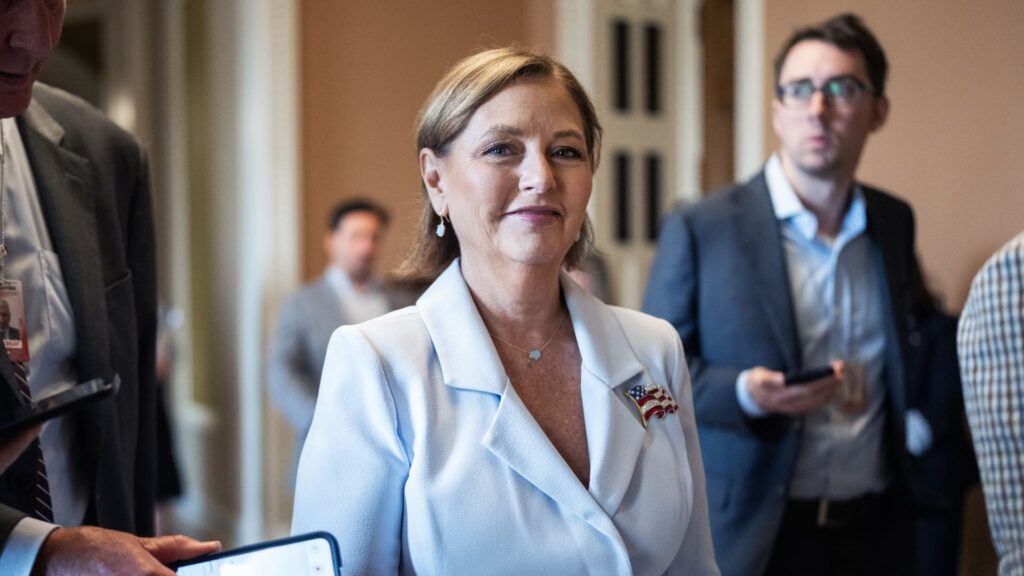
In South Carolina, the polls closed at 7 p.m. ET as Republican voters selected their candidates for the nomination following the passing of the late Senator Lindsey Graham. The report from the Associated Press indicates that Darline Graham, who was appointed to the Senate seat to finish her brother’s term, will proceed to a runoff election. Endorsed by former President Donald Trump, she is seen as a strong contender for her party’s nomination.
Joining her in the runoff is Rep. Ralph Norman, marking a significant moment of contention as their candidacies signal a possible shift in the political direction of Republican representation in South Carolina. This election outcome illustrates the lengths to which both candidates must go to ensure their base turns out in full force for the upcoming runoff, emphasizing loyalty to party as a crucial factor in their campaigns.
Progressive Vs. Moderate: Minnesota’s Democratic Stakes
The primaries in Minnesota closed one hour later at 9 p.m. ET, providing a platform for a fierce conflict between progressive and moderate Democratic candidates. In a significant win, Lt. Gov. Peggy Flanagan outperformed centrist Rep. Angie Craig for the nomination for an open Senate seat, showcasing the growing influence of the progressive wing of the party as voters look for more left-leaning policies and representation.
This contest comes against a backdrop of increasing demands for progressive reform, and the outcomes suggest a heightened expectation from the electorate for candidates who align closely with their values. The challenge remains for the Democratic Party to balance these two factions while still maintaining a united front leading into the general elections.
The Wisconsin Democratic Showdown
In Wisconsin, political dynamics are similarly embroiled in evolution, with Francesca Hong, a self-described democratic socialist, emerging as a frontrunner for the Democratic gubernatorial nomination. This primary is notable as incumbent Governor Tony Evers has announced his retirement, leaving room for younger and more diverse candidates eager to reshape the political narrative.
Endorsements play a major role in these primaries; Gov. Evers himself has thrown his support behind David Crowley, Milwaukee County Executive, highlighting the weight such endorsements carry to galvanize voters. As progressives and more traditional Democrats vie for dominance, Wisconsin stands at a crossroads that could redefine its political landscape.
Implications of Today’s Primaries
The implications of these primaries extend beyond state borders, hinting at broader trends influencing the nation’s political landscape. With progressives making headway in traditionally competitive states, there is increasing speculation about how these dynamics will affect the overall political alignment of the Democratic Party. The 2026 midterms are likely to serve as a referendum on the current administration’s policies and popularity.
In particular, the struggle between progressive candidates and their moderate counterparts represents a microcosm of the national Democratic Party’s challenges. Observers note that this internal conflict may not only define voter turnout but could also shape the party’s messaging heading into the general election as it seeks to engage an electorate that is increasingly polarized and demanding.
The National Landscape as the Midterms Approach
As states across the nation gear up for more primaries, these early results are painting a portrait of what could be expected in 2026. The contest for both Democratic and Republican nominations highlights not just the candidates’ ideologies but also the voters’ priorities and values. With various factions within both parties gaining traction, the primaries serve as early indicators of where energy is concentrated.
This evolving landscape underscores the importance of voter engagement, as both parties strive to galvanize support. The implications of today’s primaries may echo throughout the campaign, influencing not only local elections but shaping the legislative agenda once sessions resume post-election.
| No. | Key Points |
|---|---|
| 1 | Voters in South Carolina have selected their candidates for the Republican primaries to succeed the late Senator Lindsey Graham. |
| 2 | Darline Graham and Ralph Norman will face off in a runoff election for the Senate nomination. |
| 3 | Minnesota’s primary results showcased a clash between progressive and moderate Democratic candidates, with Peggy Flanagan emerging victorious. |
| 4 | In Wisconsin, Francesca Hong gained momentum as a frontrunner for the gubernatorial nomination after the incumbent’s announcement of retirement. |
| 5 | The outcomes of these primaries are indicative of shifting dynamics within both parties ahead of the 2026 midterm elections. |
Summary
The results from the primaries in South Carolina, Minnesota, and Wisconsin reflect significant trends as the 2026 midterm elections approach. Changes in voter preference, especially among progressives, indicate a growing appetite for candidates who can challenge the status quo. As candidates prepare for the next stages of their campaigns, these outcomes will likely influence political conversations at both state and national levels.
Frequently Asked Questions
Question: What are the main outcomes of the South Carolina Republican primary?
The primary outcomes indicate that Darline Graham and Ralph Norman will advance to a runoff election for the GOP nomination. This marks a critical moment for Republican representation in the state.
Question: How did the Minnesota Democratic primaries unfold?
In Minnesota, progressive Lt. Gov. Peggy Flanagan beat centrist Rep. Angie Craig for the Democratic nomination for an open Senate seat, highlighting the party’s internal contest between progressive and moderate factions.
Question: What does the Wisconsin Democratic primary indicate about the state’s political direction?
The Wisconsin Democratic primary indicates a potential shift toward a more progressive candidates, exemplified by Francesca Hong’s frontrunner status for the gubernatorial nomination. This could shape the political landscape significantly as nominations progress.