
In a recent interview, President Donald Trump emphasized the effectiveness of border security measures in curbing drug trafficking and reducing fentanyl-related fatalities across the United States. The President highlighted statistics indicating a staggering 97 percent decrease in maritime drug smuggling, attributing this success to the heightened efforts of U.S. customs and border protection agencies. Amidst rising illegal drug entry concerns, the federal government continues to develop strategies aimed at protecting public health and safety from the dangers of fentanyl and other narcotics.
| Article Subheadings |
|---|
| 1) President Trump’s Statements on Border Security |
| 2) Fentanyl Seizure Details |
| 3) Innovative Smuggling Techniques |
| 4) Recent Drug Trafficking Incidents |
| 5) Government Response and Future Measures |
President Trump’s Statements on Border Security
During an exclusive interview, President Donald Trump remarked on the significant decline in fentanyl deaths, attributing this positive shift to robust border security measures implemented during his administration. Trump claimed that these measures had effectively curtailed the influx of illegal drugs entering the country by sea, stating that drug trafficking through maritime routes had experienced a 97 percent reduction. This statistic reflects the government’s increased surveillance capabilities, alongside cooperative efforts with various law enforcement agencies.
The President expressed disappointment regarding the lack of coverage by mainstream media, stressing the importance of recognizing achievements at the southern border. He emphasized that stringent immigration policies and enhanced customs inspections had not only saved lives but also provided vital support in the fight against drug cartels operating along the U.S.-Mexico border. Trump’s statements reflect his administration’s ongoing commitment to prioritizing national security and public health by tackling the opioid crisis head-on.
Fentanyl Seizure Details
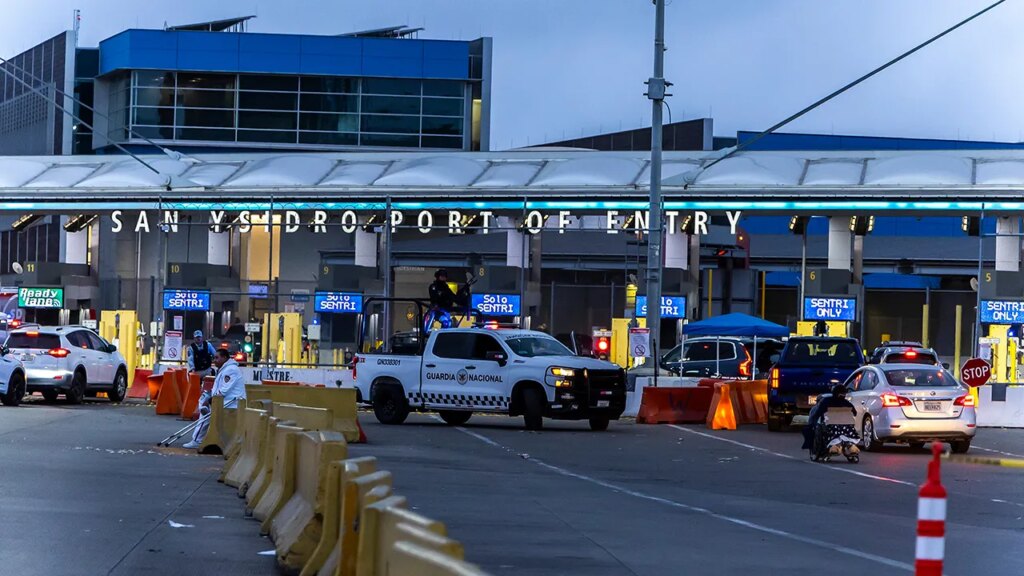
In a related incident illustrating the seriousness of the drug trafficking issue, U.S. Customs and Border Protection (CBP) officers recently intercepted an alarming shipment of fentanyl concealed within an electric moped. This discovery occurred on August 3, during a secondary inspection when a 22-year-old Mexican national attempted to enter the United States through the San Ysidro Port of Entry. Officials reported that officers found over 16 pounds of fentanyl, valued at approximately $240,000, hidden within the moped on the suspect’s person.
The seizure came after officers deployed nonintrusive imaging technology that identified anomalies in the vehicle. Following a canine alert, a thorough physical inspection revealed seven packages containing the powder. This seizure underscores the persistent efforts of border agents to detect and intercept dangerous drugs before they can reach consumers in the U.S.
Innovative Smuggling Techniques
The rising sophistication of drug cartels and smugglers has raised concerns for law enforcement. Mariza Marin, the San Ysidro Port Director, emphasized that “smugglers are employing innovative tactics” to transport lethal drugs across the border. The use of seemingly innocuous vehicles, such as electric mopeds, demonstrates the lengths to which traffickers will go to conceal illegal substances. This trend presents ongoing challenges for border officials who must continuously adapt strategies and technologies to counteract these evolving smuggling methods.
The challenges posed by smuggling tactics are compounded by the sheer volume of traffic passing through border crossings, which necessitates a balance between efficiency and thoroughness in inspections. Border agents remain committed to utilizing advanced technologies and trained canines to enhance detection capabilities; however, as noted by officials, every detected smuggling attempt is indicative of a larger, more complex network of trafficking requiring persistent efforts from all levels of law enforcement.
Recent Drug Trafficking Incidents
The ongoing issue of drug trafficking continues to plague the U.S., illustrated by multiple recent incidents involving large seizures of narcotics. Notably, on May 17, CBP officers in a separate operation intercepted more than $300,000 worth of drugs. During this event, a 2013 Honda Civic was referred for secondary inspection after scans detected irregularities in the vehicle structure. Upon inspection, officers uncovered valuable drugs, including white fentanyl and cocaine, further affirming the significant risks associated with importing drugs across the border.
As authorities continue to confront the drug crisis, many recent arrests highlight the confrontations at the southern border. The apprehension of the 22-year-old driver in the fentanyl seizure case emphasizes the growing urgency to tackle drug trafficking and protect public safety via effective interdictions. Each of these incidents serves as a reminder of the threats lurking in the shadows of legitimate commerce, as criminal organizations exploit vulnerabilities in border security.
Government Response and Future Measures
In response to the pressing issue of drug trafficking and the opioid crisis, the federal government has continued to bolster resources directed toward the CBP and other law enforcement agencies. Enhanced funding aims to improve investigative capacities, technology upgrades, and training programs for officers. Recent discourse around border security suggests a renewed urgency to collaborate with international partners to dismantle the intricate networks of drug smuggling operations.
The administration’s focus extends beyond immediate interdiction, with a commitment to addressing the root causes of drug trafficking, including the opioid epidemic affecting various communities across the country. By enacting comprehensive strategies aimed at public health awareness, treatment support, and community engagement, authorities seek to mitigate not only the supply but also the demand for such dangerous substances.
| No. | Key Points |
|---|---|
| 1 | President Trump asserts that border security measures have led to a 97% decrease in maritime drug smuggling. |
| 2 | A major fentanyl seizure involved over 16 pounds of the drug hidden within an electric moped. |
| 3 | Drug cartels are employing increasingly innovative tactics for smuggling narcotics across the U.S. border. |
| 4 | Multiple recent drug trafficking incidents highlight significant challenges for U.S. authorities. |
| 5 | The federal government is enhancing resources and strategies to combat drug trafficking and the opioid crisis. |
Summary
The ongoing challenges posed by drug trafficking, particularly concerning fentanyl and other narcotics, underscore the critical importance of border security measures as articulated by President Donald Trump. The recent success in seizing large quantities of illegal drugs reflects effective strategies employed by customs and border protection agencies. Moving forward, a comprehensive approach that combines enforcement with initiatives to address underlying issues will be vital in the fight against the opioid crisis and the criminal networks that threaten public safety.
Frequently Asked Questions
Question: What measures are being taken to enhance border security against drug trafficking?
The U.S. government is increasing funding for Customs and Border Protection, incorporating advanced technologies, and improving officer training to detect and prevent drug smuggling.
Question: How significant is the issue of fentanyl trafficking in the U.S.?
Fentanyl trafficking is a major public health crisis in the U.S., as it poses a lethal threat to users and has been a leading contributor to the opioid epidemic.
Question: What are the implications of the recent fentanyl seizure?
The fentanyl seizure highlights the persistent threat of drug trafficking attempts across the U.S. border, stressing the need for continued vigilance and effective law enforcement responses.