
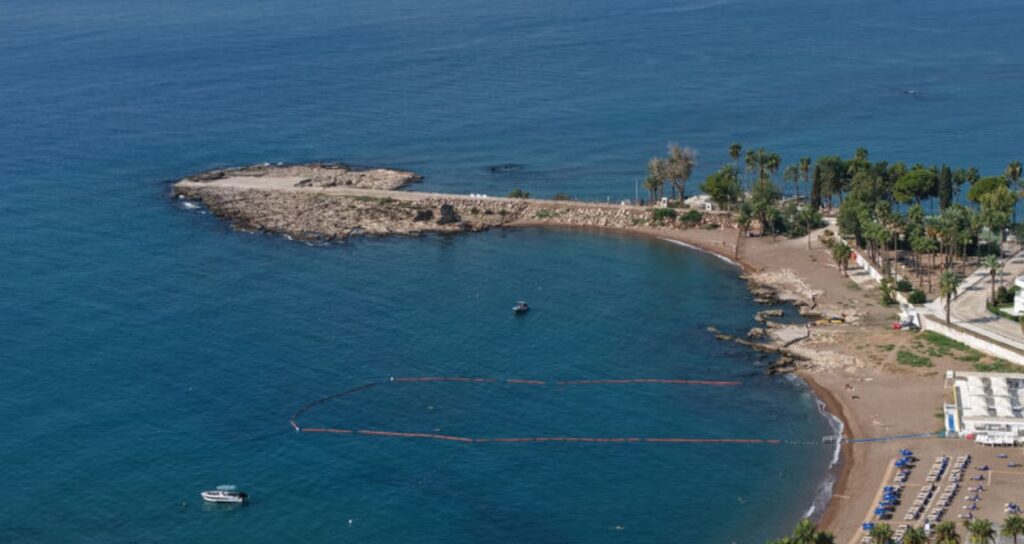
Magydos Ancient Port, situated between the Karpuzkaldıran Cliffs and the Düden Waterfall in Antalya’s Muratpaşa district, is a significant archaeological site that sheds light on the region’s extensive maritime history. Officials, including İzzet Ünlü, President of the Antalya Maritime Platform, highlight the port’s historical importance, dating back to the 4th century BC, and urge the need for its preservation and further exploration. With traces of ancient civilization evident in aqueducts, stone walls, and breakwaters, Magydos represents a crucial part of Antalya’s heritage, deserving of protection and greater public awareness.
| Article Subheadings |
|---|
| 1) Historical Significance of Magydos |
| 2) Architectural Remnants of the Ancient Port |
| 3) Discovery and Protection Efforts |
| 4) Community Awareness and Environmental Protection |
| 5) Future Prospects for Magydos |
Historical Significance of Magydos
Magydos Ancient Port is a historical treasure located in Antalya, Turkey, known for its rich maritime heritage. According to İzzet Ünlü, the port dates back to the 4th century BC and has played a vital role in the region’s trading history. This period predates the founding of modern-day Antalya, suggesting that Magydos may have been a significant trading hub long before the city’s official establishment. Throughout its existence, it has served various civilizations, notably during the Roman and Byzantine periods, indicating its strategic importance.
Ünlü elaborates on the port’s crucial role in maritime trade, stating, “This is an ancient port of strategic importance, right at the heart of trade.” This statement highlights how essential Magydos was to trade routes of the past, influencing not only local commerce but also regional trading dynamics across the Mediterranean. Its historical roots underscore the need for serious reconsideration of how this area fits within the broader context of Antalya’s narrative.
Architectural Remnants of the Ancient Port
The remnants of Magydos provide a glimpse into its architectural marvels and the technological advancements of ancient civilizations. As noted by İzzet Ünlü, the site features important structures such as aqueducts, stone walls crafted from rubble, and artificial breakwaters. These elements not only underscore the engineering capabilities of the time but also illustrate Magydos’ role in supporting maritime activities.
“We can see the aqueducts here. We can see the stone walls made of rubble on the water. These are in the harbor pool. And we can see the artificial breakwater,”
he stated.
The historical significance of these findings is monumental, as they serve as evidence of Magydos’ extensive trade relations and its importance as a center for coin minting during the Roman Empire. Coins minted in this port have persisted through generations, surviving until the end of the Byzantine Empire, reinforcing the notion of Magydos as a vital economic hub. The existence of such remnants showcases the dynamic history of the area and its relevance in the historical tapestry of Antalya.
Discovery and Protection Efforts
Despite its critical role in history, much of Magydos remains unexplored, with significant portions submerged underwater and lying beneath modern structures. İzzet Ünlü points out that the region is ripe for excavation and research, urging that “those historical ruins are waiting to be discovered under those buildings and thousands of meters under the sea.” This assertion prompts discussions on the necessity for dedicated archaeological efforts to uncover the secrets held within Magydos.
The deterioration of historical sites due to natural and human factors poses an ongoing challenge. The area suffered extensive damage from Arab raids after the 7th century AD, leading to a decline in its strategic significance. Therefore, protection and research initiatives are imperative for preserving Magydos.
“This place needs to be protected and brought to light,”
emphasized Ünlü, reinforcing the point that the historical value of such sites should not be underestimated.
Community Awareness and Environmental Protection
In addition to archaeological efforts, raising public awareness about the historical significance of Magydos is crucial. Many locals and visitors frequent the area for recreational activities, such as swimming and enjoying the views, but are often unaware of the rich history lying beneath the surface. İzzet Ünlü stresses the importance of educating the public, saying, “First of all, we need to protect Antalya.” The statement reflects the need for a concerted community approach to safeguarding both natural and historical assets in the area.
To that end, local citizens are encouraged to engage in environmental stewardship, maintaining the cleanliness and ecological integrity of the region. Ünlü points to a collective responsibility to ensure that “If there is sea, there is life,” emphasizing the interconnectedness of preserving the coastal environment and historical sites. Raising community awareness around the historical, cultural, and ecological values of Magydos could foster greater local support for necessary conservation efforts.
Future Prospects for Magydos
Looking forward, the potential for tourism in Magydos is enormous. If conservation and exploration efforts are initiated, the ancient port could become a significant draw for historians, archaeologists, and tourists alike. By promoting awareness and the importance of this archaeological site, Antalya has the opportunity to enrich its cultural narrative while boosting local tourism.
Moreover, as local authorities recognize the significance of such historical venues, the region could benefit from improved infrastructure catering to touristic ventures. Such developments could create job opportunities while offering residents and visitors insights into the ancient maritime heritage of Antalya. The revitalization of Magydos holds the promise for a bright future both in cultural enrichment and economic growth.
| No. | Key Points |
|---|---|
| 1 | Magydos Ancient Port dates back to the 4th century BC, predating the establishment of modern Antalya. |
| 2 | Significant architectural remnants, including aqueducts and breakwaters, illustrate its historical importance. |
| 3 | Much of Magydos remains unexplored and may contain undiscovered historical treasures. |
| 4 | Community engagement and cleaning efforts are vital for preserving the environmental and historical integrity of the region. |
| 5 | The future prospects for tourism in Magydos are promising if conservation efforts are successfully implemented. |
Summary
The Magydos Ancient Port stands as a testament to the rich maritime history of Antalya, reflecting its importance from the 4th century BC through its service to various civilizations. As advocates emphasize the need for preservation and exploration, it becomes clear that understanding Magydos is critical for both historical and cultural comprehension of the region. By fostering community awareness and protective measures, there lies potential for Magydos to serve as a significant historical and touristic site, contributing to the broader narrative of Antalya’s heritage.
Frequently Asked Questions
Question: What are the key historical periods associated with Magydos?
Magydos has historical significance dating back to the 4th century BC, with notable activity during the Roman and Byzantine periods.
Question: Why is the protection of Magydos important?
The protection of Magydos is crucial to preserve its archaeological value and ensure that its historical treasures are not lost to time or development.
Question: How can local communities contribute to preserving Magydos?
Local communities can engage in environmental stewardship, promoting cleanliness and awareness of the historical significance of the site which contributes to its preservation.