
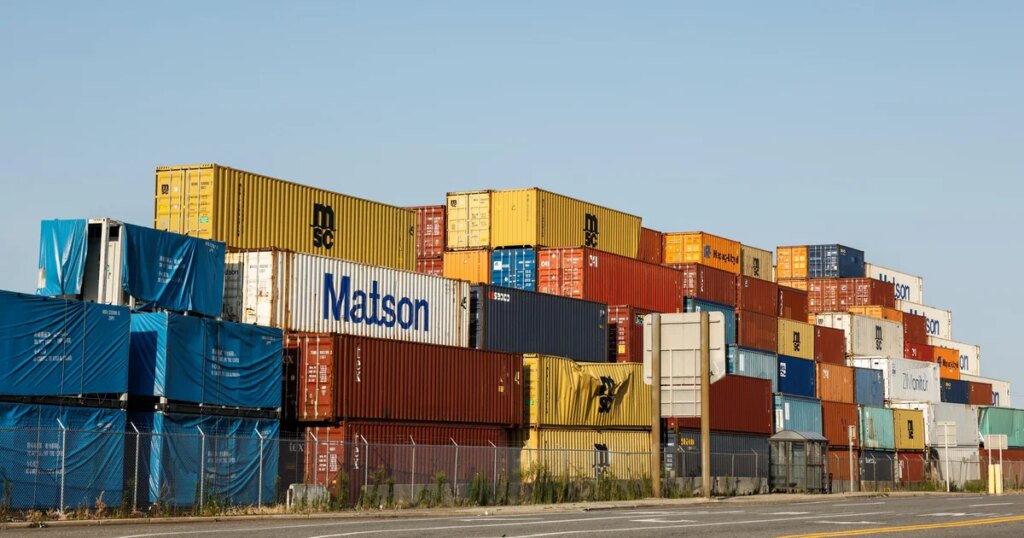
A coalition of 25 states, led by California, has initiated legal action against the Trump administration, contending that the recent tariffs implemented are overreaching and unlawful. The tariffs, which apply to 60 economies and range from 10% to 12.5%, were enacted under Section 301 of the Trade Act of 1974. The states claim that these measures are not genuinely aimed at addressing forced labor practices but are instead a strategic maneuver by the administration to replace previously invalidated tariff levies.
| Article Subheadings |
|---|
| 1) Basis of the Lawsuit |
| 2) Implications for American Families |
| 3) Government’s Stance on Tariffs |
| 4) Economic Context of Tariffs |
| 5) Nationwide Coalition for Change |
Basis of the Lawsuit
The states filed their lawsuit in the U.S. Court of International Trade, primarily challenging the legality of the newly imposed tariffs. California Attorney General Rob Bonta stated that this marks the third instance where the states have sought judicial intervention against tariffs introduced by the administration. The legal arguments revolve around the assertion that the tariffs do not genuinely target unfair trade practices but rather serve as a substitute for previous tariffs that were deemed unconstitutional by the Supreme Court earlier this year. This raises questions about the intent and transparency of the tariff implementation process.
Implications for American Families
The coalition claims that the tariffs will significantly increase costs for American families and small businesses. Bonta emphasized that “tariffs are taxes,” and they place an undue financial burden on the public. In a context where families are already facing challenges due to rising costs of living, these tariffs could exacerbate economic strain. The lawsuit seeks to highlight the adverse effects that these financial impositions can have on everyday Americans, fundamentally questioning whether the economic policies are serving their intended purpose or if they are misguided attempts at exerting control over foreign trade.
Government’s Stance on Tariffs
In response to the lawsuit, a White House spokesman defended the administration’s approach to tariffs, stating that they are essential for addressing unfair practices by foreign nations, particularly regarding the use of forced labor in manufacturing. Spokesman Kush Desai highlighted that the administration believes these tariffs are a necessary step to protect U.S. commerce and labor. By enforcing these tariffs, the White House aims to pressure foreign countries to better regulate trade practices that harm American workers and industries. The administration argues that the tariffs are legally justified tools designed to uphold fair trade on the international stage.
Economic Context of Tariffs
Despite a general decline in U.S. tariff rates this year, the significance of tariffs as a component of the White House’s trade policy remains critical. According to reports from financial analysts, the effective tariff rate has decreased from 9.4% to 7.4%, yet the new Section 301 tariffs are poised to influence various sectors by imposing additional costs on imported goods. Proponents of the tariffs argue that they are key to revitalizing U.S. manufacturing, reducing trade deficits, and generating federal revenue. However, critics maintain that such economic strategies could lead to negative consequences for the broader economy, raising pressing questions about the efficacy of these measures.
Nationwide Coalition for Change
In a show of solidarity, the lawsuit has drawn support from a wide array of states, including Arizona, Connecticut, Delaware, and others. This coalition reflects a growing concern among states regarding the federal government’s approach to trade and tariffs. As many states grapple with the repercussions of these economic policies, the coalition represents a unified front advocating for a reassessment of the administration’s strategies. The collective action underlines the importance of state-level responses to federal decisions that have a direct impact on local economies and communities.
| No. | Key Points |
|---|---|
| 1 | A coalition of 25 states led by California is suing the Trump administration over newly imposed tariffs. |
| 2 | The lawsuit argues that the tariffs are an unlawful replacement for previously invalidated tariffs. |
| 3 | Officials claim that the tariffs will raise costs for American families and small businesses. |
| 4 | The White House defends tariffs as a necessary tool to address international trade unfairness. |
| 5 | The lawsuit has received backing from a wide range of states, indicating a unified response to federal economic policy. |
Summary
The lawsuit initiated by the coalition of states against the Trump administration’s tariffs highlights a significant conflict between state and federal interests regarding trade policy. As officials from various states contend with rising costs that these tariffs may unleash on their constituents, the legal challenge raises broader questions about economic fairness and the bounds of presidential authority in enacting trade measures. This case exemplifies the complexities of U.S. trade policy and its direct impact on everyday Americans.
Frequently Asked Questions
Question: What are the newly imposed tariffs targeting?
The tariffs are aimed at imports from 60 economies and range from 10% to 12.5%, primarily addressing concerns related to goods produced with forced labor.
Question: How have state officials responded to the tariffs?
State officials, led by California, have filed a lawsuit claiming the tariffs are unlawful and could burden American families and businesses with increased costs.
Question: What is Section 301 of the Trade Act of 1974?
Section 301 allows the U.S. president to impose tariffs on foreign nations found to engage in unfair trade practices, including the use of forced labor.