
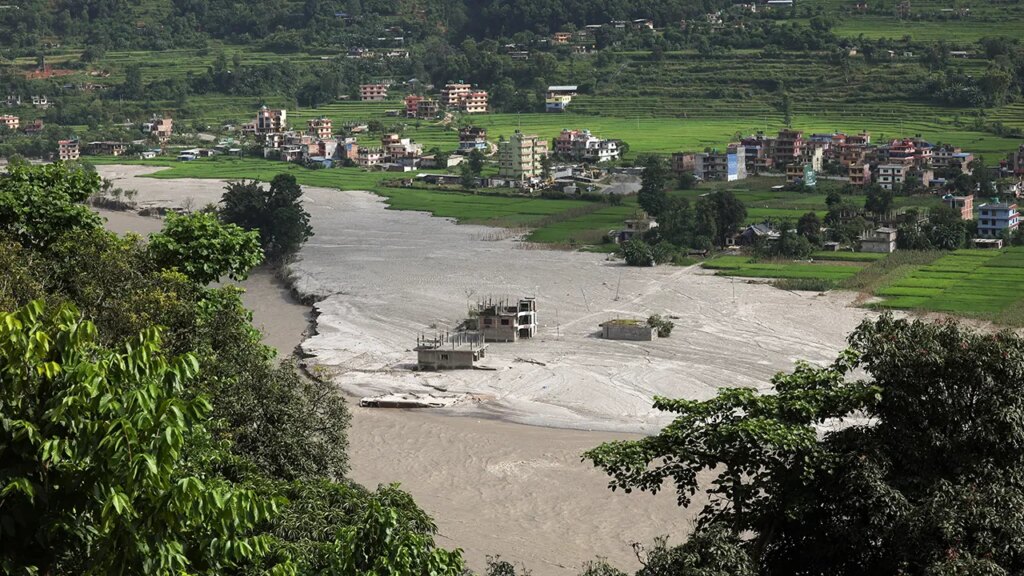
In a tragic aftermath of catastrophic flooding along the Nepal-China border, around 70 Americans are still unaccounted for, as revealed by the State Department. The flooding, which commenced on August 26, 2026, has reportedly claimed the lives of nearly 1,399 people across both Nepal and tibetan regions in China, leaving thousands missing. While international efforts are underway to locate survivors, officials have issued warnings against travel to the affected area due to the potential for further natural disasters.
| Article Subheadings |
|---|
| 1) Overview of the Flooding Catastrophe |
| 2) The Current Status of Americans in Nepal |
| 3) Search and Rescue Operations Underway |
| 4) Climate Change and Its Impact on Natural Disasters |
| 5) The Broader Implications of This Disaster |
Overview of the Flooding Catastrophe
On August 26, 2026, a glacier collapse precipitated a series of devastating flash floods and mudslides along the Nepal-China border, drastically altering the landscape and impacting thousands of lives. As torrents of water rushed through the valleys, they destroyed homes and critical infrastructure, leaving communities reeling. The swift nature of the flooding escalated the disaster’s seriousness, with officials reporting a death toll continuing to rise daily.
The affected regions include parts of the Nuwakot district in Nepal, where the Trishuli River overflowed, leading to mass evacuations and urgent pleas for assistance. Eyewitness accounts described horrifying scenes of destruction as families faced the sudden onslaught of water. Officials are now grappling with the immense logistical challenges posed by widespread damage to roads and bridges, making access to the most devastated areas complicated.
The Current Status of Americans in Nepal
As of the latest reports, approximately 70 American nationals remain unaccounted for following the floods. This figure marks a slight improvement from 75 as search efforts continue to ensure the safety of those unclaimed. The State Department has confirmed that 18 U.S. citizens have reached safety but also issued warnings urging all Americans not to venture into the disaster zone due to ongoing risks of flash floods and landslides.
With communications disrupted, families back in the U.S. await news of their loved ones. A State Department official conveyed the agency’s deep sympathy and pledged to keep families updated. The nature of the situation remains critical, and safeguarding those still in peril is a priority for both U.S. and Nepalese authorities. Meanwhile, officials have refrained from confirming any deaths of American citizens thus far.
Search and Rescue Operations Underway
Rescue efforts are ongoing and are concentrated on three hydropower project tunnels where it is feared dozens of workers may still be trapped. The Chilime hydroelectric project is of particular focus to rescuers, as it reportedly housed many of the project’s laborers. Authorities have turned to innovative methods for search and rescue, including the use of ziplines to reach isolated areas compromised by the floods.
Dharma Raj Upreti, chief of Nepal’s disaster authority, stated,
“Our search operation is focused on finding survivors, including in tunnels. Our bigger focus is on the Chilime hydroelectric project, where we believe people are trapped, because there was a canteen, residency and arrangements for food.”
The utilization of specialized equipment and skilled personnel is crucial as they navigate the debris left in the floods’ wake.
Climate Change and Its Impact on Natural Disasters
An alarming trend highlighted by this disaster revolves around climate change’s role in exacerbating natural disasters. Both Nepali and Chinese officials have linked the glacier collapse and subsequent flooding to global warming, suggesting that these events are becoming increasingly common in vulnerable regions like the Himalayas. Historical weather patterns indicate a shift towards more erratic and extreme weather, further jeopardizing the stability of already precarious geographic locations.
As scientists and policymakers grapple with these implications, the Glacier collapse serves as a stark reminder of the dire need for comprehensive climate strategies to mitigate future risks. The United Nations and various environmental organizations are calling for immediate actions to combat the crises of climate change, particularly in developing nations with limited resources.
The Broader Implications of This Disaster
The implications of the flooding extend beyond immediate loss of life and property damage. The crisis also raises concerns about the infrastructure in place to handle disasters, the efficiency of response mechanisms, and the overall preparedness of regions prone to such catastrophic events. Internally displaced people face not only the loss of homes but also uncertainties regarding their long-term wellbeing.
Economic repercussions are likely to be felt both locally and internationally, with the interconnected nature of global markets. Aid organizations are mobilizing to provide support, but their efforts may face significant hurdles due to ongoing environmental risks in the area. Local governments are likely to seek international assistance, signifying a broader need for support in disaster management.
| No. | Key Points |
|---|---|
| 1 | Approximately 70 Americans remain unaccounted for following Nepal-China border floods. |
| 2 | A total of 1,399 deaths confirmed as a result of flooding and mudslides. |
| 3 | Search and rescue operations focus on specific tunnels where workers may be trapped. |
| 4 | Authorities warn of potential further disasters; travel to affected regions discouraged. |
| 5 | Climate change cited as a significant factor in the glacier collapse. |
Summary
The catastrophic flooding along the Nepal-China border continues to claim lives and reframe the region’s future. With search efforts ongoing and the risk of additional flooding looming, the international community’s response will play an essential role in recovery and rebuilding efforts. This disaster serves as a significant reminder of the human and environmental crises exacerbated by climate change and the importance of global cooperation in addressing such challenges.
Frequently Asked Questions
Question: How did the flooding begin?
The flooding was triggered by a glacier collapse that occurred on August 26, 2026, unleashing torrents of water and mudslides across the region.
Question: What measures are being taken for rescue operations?
Rescue operations involve the use of specialized equipment and methods, including ziplines, to reach isolated areas where victims may be trapped, particularly in hydropower project tunnels.
Question: What is the expected long-term impact of this disaster?
The long-term impact includes concerns about infrastructure resilience, economic implications for affected regions, and heightened awareness regarding climate change and its effects on natural disasters.