
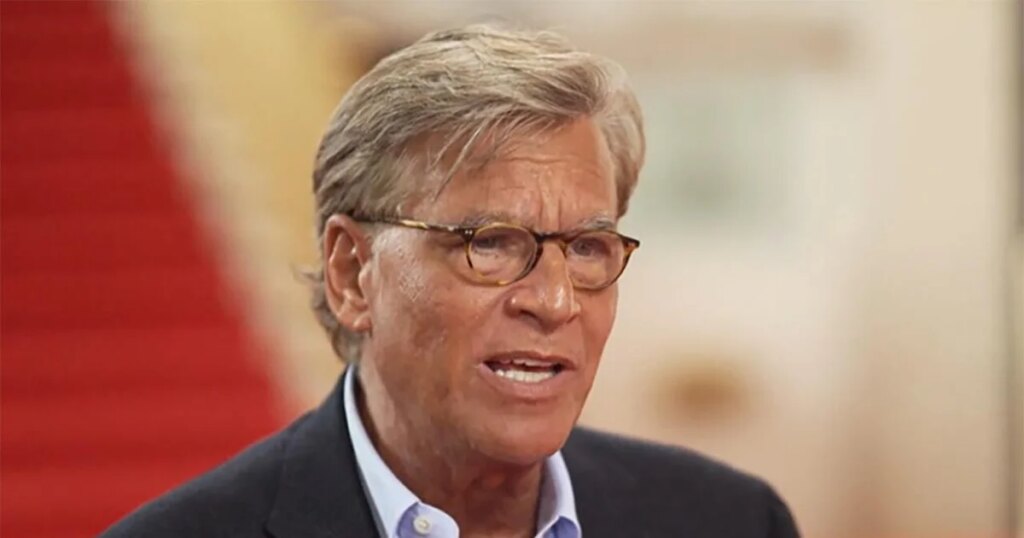
Acclaimed screenwriter Aaron Sorkin recently discussed his creative process while reflecting on the unintended consequences of his previous work, particularly the film “The Social Network.” With the release of his new film “The Social Reckoning,” Sorkin revisits the story of Facebook and its controversial figure, CEO Mark Zuckerberg. The narrative is shaped through the lens of real-life whistleblower Frances Haugen, who brought to light significant internal issues within the tech giant. This film serves as a commentary on the ramifications of social media on modern society.
| Article Subheadings |
|---|
| 1) The Creative Process of Aaron Sorkin |
| 2) Revisiting Mark Zuckerberg Through a New Lens |
| 3) The Impact of Social Media on Society |
| 4) Key Themes in “The Social Reckoning” |
| 5) Future Concerns Around Facebook and AI |
The Creative Process of Aaron Sorkin
Aaron Sorkin, known for his rapid-fire dialogue and intense character development, often grapples with writer’s block in unique ways. He mentioned, “I like to drive around and listen to music, and I try to start arguments with myself, talking out loud.” This unconventional approach to creativity allows him to explore different viewpoints and formulate compelling narratives. Sorkin clearly values the process, which he believes leads to some of his best ideas, as he stated, “One out of every 50 times, and I’ll take those odds any day.”
His knack for dialogue and suspense gained him critical acclaim for films like “The Social Network,” which portrayed the founding of Facebook and the rise of Mark Zuckerberg. The film, which won an Academy Award for Best Adapted Screenplay, not only highlighted Zuckerberg’s accomplishments but also framed him in a morally ambiguous light, prompting viewers to question his intentions and ethics. Sixteen years after its release, Sorkin expresses a mix of pride and guilt regarding the legacy of this film, as many fans have come to idolize Zuckerberg in a way he did not intend.
Revisiting Mark Zuckerberg Through a New Lens
In his upcoming film “The Social Reckoning,” Sorkin continues his exploration of Zuckerberg’s character, this time focusing on the fallout from Facebook’s operations and the implications of Zuckerberg’s immense power. Jeremy Strong portrays an older, yet still awkward Zuckerberg, navigating the complexities of leadership in a transformed social media landscape. The narrative draws inspiration from the real-life experience of Frances Haugen, who exposed troubling practices within Facebook when she leaked thousands of documents to the media.
Haugen’s input is indispensable to “The Social Reckoning,” providing an intimate view of Zuckerberg’s rise and the consequences it has yielded for society. “When I look at Mark, I view a lot of things about his experience of the world as a tragedy,” Haugen remarked in her assessment. She highlights the isolation that comes with power, suggesting that Zuckerberg has faced little to no repercussions for creating an environment rife with misinformation and social division.
The Impact of Social Media on Society
The film delves into the darker aspects of Facebook’s influence, particularly the spread of disinformation, extremism, and societal division. Sorkin notes that Facebook’s algorithm prioritizes content designed to provoke strong reactions, stating, “In 2018, engagement was going down, so they tweaked the algorithm. They had done plenty of research showing that the things most likely to be reshared are anything that makes you angry — rage bait. That’s what they did, and it worked.” This revelation raises crucial questions about the ethical responsibilities of social media companies and their impact on public discourse.
Sorkin connects his previous work on “A Few Good Men” with the themes explored in “The Social Reckoning,” particularly the idea that the truth is often manipulated or obscured. He provocatively contemplates whether society is capable of handling the truth, addressing the alarming tendency for individuals to cling to simplified narratives over complex realities. He recalls, “You can tell people ’til you’re blue in the face that the undocumented immigrant population commits fewer crimes per capita than citizens; they won’t hear that. They will only hear that immigrants are the cause of their problems.”
Key Themes in “The Social Reckoning”
At its core, “The Social Reckoning” serves as a poignant reminder of the profound challenges posed by misinformation and the societal ramifications stemming from unchecked influence. Sorkin’s work aims to prompt audiences to reflect on the consequences of social media on their own lives, urging them to confront uncomfortable truths and question the morality of digital giants such as Facebook.
The themes presented in the film resonate with ongoing global discussions about data privacy, online safety, and the responsibilities of tech companies in the wake of increasing scrutiny. As Sorkin eloquently states, the challenge lies in whether individuals can discern truth from fiction, a struggle exacerbated in an age where information is disseminated at lightning speed. Facebook’s parent company, Meta, while embroiled in controversies, has been making efforts to address harmful content, although critics argue these measures may not go far enough.
Future Concerns Around Facebook and AI
As the digital landscape continues to evolve, so do the concerns regarding the ethical implications of artificial intelligence and social media’s role in shaping reality. Haugen emphasizes the need for vigilant oversight, cautioning against unrestrained pressures that could lead to the automation of harmful practices. “There have been many whistleblowers that have come out of Meta’s AI teams talking about the lack of safety,” Haugen advised. She calls for a pause on the pursuit of unregulated power in the AI sector, suggesting a thorough examination of the potential dangers involved.
Sorkin’s exploration of these pressing issues keeps him engaged in the narrative, prompting him to continue writing and advocating for a more responsible approach to storytelling around such influential figures as Zuckerberg. With power comes responsibility, and Sorkin’s message is clear: engaging with the truth is imperative for positive change. “You want to make the world a better place? Don’t make the truth up for grabs. Don’t be indifferent to the truth,” he advised about Zuckerberg’s potential to affect change.
| No. | Key Points |
|---|---|
| 1 | Aaron Sorkin adopts a unique process to overcome writer’s block, blending conversation and introspection. |
| 2 | “The Social Reckoning” explores the evolution of Mark Zuckerberg’s character, illustrating power dynamics in social media. |
| 3 | The film shines a light on the consequences of disinformation, extremism, and societal division fueled by social media. |
| 4 | Sorkin reframes truth and how it is manipulated in modern narratives and public perception. |
| 5 | Concerns around AI and social media continue to grow, urging caution in applying uncontrolled power within these realms. |
Summary
Through “The Social Reckoning,” Aaron Sorkin revisits the complex relationship between social media, power, and the truth. The film not only critiques the ethical responsibilities of technology companies but also implores society to confront the consequences of misinformation. As Sorkin grapples with the nuances of creativity and the weight of responsibility, he challenges audiences to reflect on the narratives they accept and the truths they dare to explore. This cinematic endeavor showcases Sorkin’s ability to translate pressing social issues into compelling storytelling, reaffirming his significant role in contemporary conversations about digital influence.
Frequently Asked Questions
Question: What is the significance of “The Social Reckoning”?
“The Social Reckoning” is significant as it revisits the narrative of Facebook through the lens of real-life whistleblower Frances Haugen, highlighting the impact of social media on modern society and the ethical questions surrounding it.
Question: How does Sorkin address the theme of truth in his films?
Sorkin addresses the theme of truth by exploring how narratives can be manipulated and how misinformation affects public perception. He challenges audiences to question the narratives they encounter.
Question: What are the potential risks associated with AI in social media, according to Haugen?
Frances Haugen has raised concerns about the lack of safety and oversight in AI practices within Meta, warning that unchecked power could lead to harmful societal outcomes.