
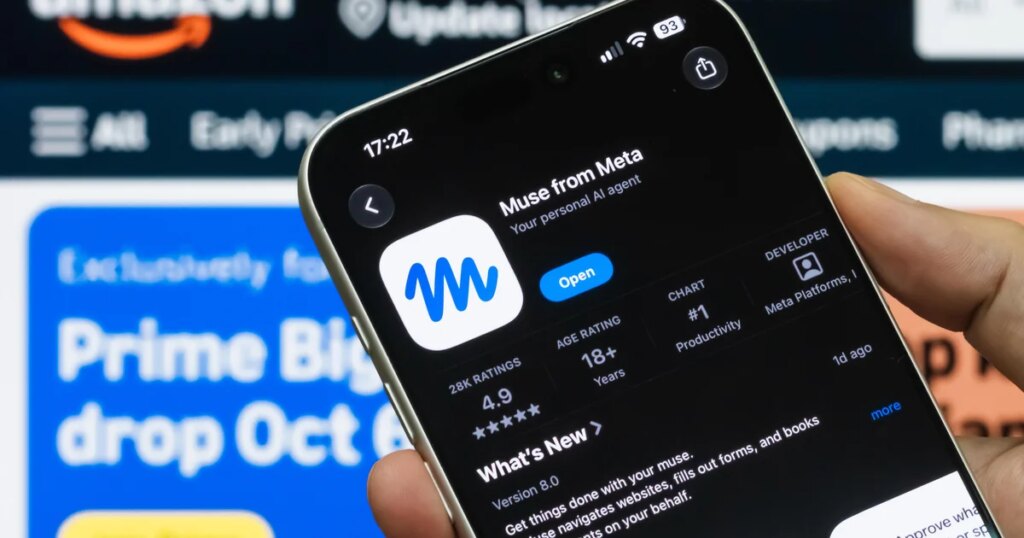
Shoppers are embracing the future of ecommerce with the rise of Muse.Meta’s personal artificial intelligence agent, which has claimed the top spot on Apple’s App Store, surpassing competitors like ChatGPT. This growing trend in AI-assisted shopping indicates a shift in consumer behavior, with many individuals relying on AI to simplify tasks such as product comparison and deal tracking. Experts believe this momentum could redefine the landscape of online shopping, though some express caution over potential risks associated with AI-driven transactions.
Article Subheadings
1) The Rise of Muse
2) Changing Consumer Habits
3) The Transformation of AI in Shopping
4) Concerns Over AI Trustworthiness
5) The Future of AI Commerce
The Rise of Muse
Muse, a newly launched AI shopping agent from Meta, has rapidly gained traction since its introduction two weeks ago. Reported data indicates that the app has not only secured over 2.5 million downloads but has also garnered attention as it overtakes OpenAI’s ChatGPT, which accumulated approximately 3.1 million downloads in the same timeframe. This surge signifies a notable shift in consumer preferences, as many individuals are increasingly opting for AI-enhanced solutions to ease their shopping experiences. Analysts, like Neil Saunders from GlobalData Retail, note the app’s potential to lead the way in what he describes as “agentic shopping,” where consumers delegate tedious tasks to intelligent systems. This evolution, he explains, reflects a growing reliance on technology to achieve efficiency and optimize time spent on everyday activities.
Changing Consumer Habits
The growing popularity of AI tools like Muse is underscored by a recent IBM study revealing that 41% of consumers utilize AI assistants for product research and 31% for searching deals. This behavior highlights a significant trend in consumer habits, particularly as the holiday shopping season approaches. A Coresight survey of over 1,000 participants indicates that 30% would consider using an AI tool to compare prices and find deals or promotional codes for holiday gifts. Such statistics illustrate that shoppers are increasingly leaning toward technology for assistance in purchasing decisions, driven by both the desire to save time and the need to ensure they are getting the best value for their money. As AI continues to advance, it is likely that more consumers will incorporate these tools into their routines, reshaping the ecommerce landscape.
The Transformation of AI in Shopping
Muse represents a pivotal shift in the way AI tools are perceived and used in shopping environments. According to industry experts, Muse distinguishes itself from traditional chatbots by not only providing information but also taking action on behalf of users—such as booking flights or managing email inboxes. This level of interactivity suggests a natural progress from basic search engine functionalities to a more nuanced approach, which actively engages with and fulfills consumer needs. As John Mercer, head of global research at Coresight, points out, the focus of Muse is on enhancing user experiences, allowing for a more personalized approach to commerce that can adapt to individual preferences and habits. By simplifying tasks and streamlining shopping processes, Muse and similar applications could redefine how consumers interact with retail platforms.
Concerns Over AI Trustworthiness
Despite the excitement surrounding AI shopping agents, not all experts are convinced of their efficacy or safety. Saunders noted that while Muse is making impressive strides in adoption, there is still a degree of hesitance among consumers regarding the delegation of purchasing responsibilities to automated systems. Reports of AI mishaps have caused some individuals to question the reliability of these technologies, leading to anxiety about placing trust in AI to handle sensitive tasks. Consumers are understandably cautious about the implications of allowing AI agents to make purchases on their behalf, given the potential risks and ethical concerns. As the AI industry continues to innovate, addressing these concerns and reinforcing trust in AI capabilities will be critical to encourage broader adoption and acceptance among consumers.
The Future of AI Commerce
Looking ahead, the trajectory of AI-driven shopping agents like Muse and ChatGPT may shape the future of online commerce in profound ways. As more consumers embrace the capabilities of AI technology, its integration into ecommerce is likely to become more pronounced. The potential for AI to redefine the shopping experience lies not just in its ability to conduct transactions but also in how it enhances consumer engagement and satisfaction. The combination of personalization, efficiency, and convenience provided by tools like Muse could lead to transformative changes in how retail strategies are formulated. However, as the field evolves, a balanced approach that prioritizes user security and addresses ethical implications will be vital. Ultimately, the success of AI in commerce will hinge on the industry’s ability to cultivate consumer trust while delivering innovative solutions that meet the demands of an ever-changing marketplace.
| No. | Key Points |
| 1 | Muse has quickly surpassed 2.5 million downloads, indicating strong consumer interest in AI shopping tools. |
| 2 | Recent studies show a significant percentage of consumers use AI tools for research and deal-finding. |
| 3 | Muse’s interactive capabilities distinguish it from traditional chatbots, allowing it to perform tasks for users. |
| 4 | Consumer hesitation regarding AI purchasing decision-making is prevalent due to reported AI mishaps and trust issues. |
| 5 | The future of AI in commerce could hinge on balancing innovation with user security and ethical considerations. |
Summary
The emergence of AI shopping agents like Muse represents a significant development in the retail sector, demonstrating an increasing consumer reliance on technology to facilitate and enhance the shopping experience. As more users delve into using AI tools to streamline their purchasing decisions and find the best deals, the face of online commerce stands to change dramatically. While apprehensions remain about the safety and trustworthiness of these technologies, the momentum behind AI in shopping illustrates a potential shift in consumer habits that could redefine retail engagement in the future. As the industry navigates these changes, the balance between technological innovation and consumer trust will be critical for successful integration.
Frequently Asked Questions
Question: What is Muse and how does it work?
Muse is a personal artificial intelligence shopping agent developed by Meta, designed to assist consumers with everyday tasks related to shopping. It helps users compare prices, track product availability, and even complete purchases on their behalf based on user preferences and needs.
Question: Why are consumers turning to AI-assisted tools for shopping?
Consumers are increasingly seeking AI tools to streamline their shopping processes, save time, and find the best deals. With the holiday shopping season approaching, many are turning to these applications to enhance their shopping experience and make informed purchasing decisions.
Question: What are some concerns regarding AI in shopping?
Despite the benefits, many consumers express concerns about the reliability and safety of AI agents when making purchasing decisions, especially in light of reported AI mishaps. This apprehension leads to hesitance in fully trusting AI technology for personal and financial transactions.