
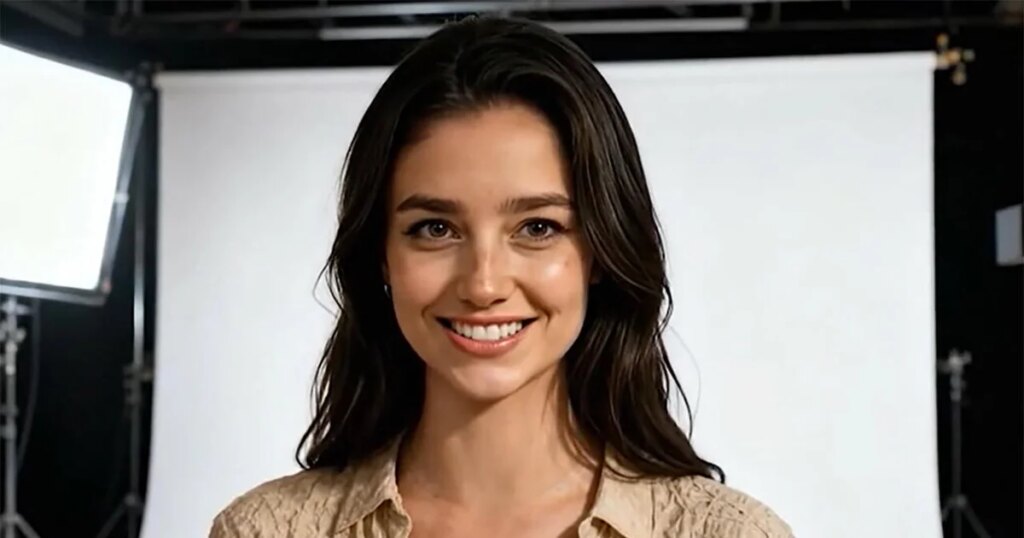
In an era where technology increasingly blurs the line between reality and fiction, the introduction of an AI-generated actress named Tilly Norwood has ignited significant debates within Hollywood. Created by former actor and comedian Eline van der Velden, Tilly is designed to be a global superstar, sparking concerns over the implications of artificial intelligence in the entertainment industry. As Tilly’s capabilities are showcased, questions arise regarding the future of acting, the role of AI in creativity, and potential impacts on employment for traditional actors.
| Article Subheadings |
|---|
| 1) The Concept of AI in Hollywood |
| 2) The Creation of Tilly Norwood |
| 3) Reactions from the Industry |
| 4) The Role of AI in Future Productions |
| 5) The Human-AI Collaboration Challenge |
The Concept of AI in Hollywood
The integration of artificial intelligence within Hollywood has been more fiction than fact until recently. The portrayal of AI in films such as “S1m0ne,” featuring Al Pacino as a director who creates a virtual star, has now evolved into real-world situations where the object of creation can ‘perform.’ This evolution has generated excitement as well as apprehension among industry professionals, many of whom fear that AI could potentially replace human actors. Discussions around AI’s disadvantages often center on the implications for authenticity and human emotion in performance, which are considered irreplaceable. The entertainment landscape is at a crossroads, with innovations potentially redefining what it means to produce visual media.
The Creation of Tilly Norwood
Tilly Norwood, the AI actress, is the brainchild of Eline van der Velden, who invested significant time and resources into her development. The project involved around 2,000 iterations to perfect Tilly’s visual and emotional range. Van der Velden, drawing on her background in acting and comedy, aimed to demonstrate the potential of generative AI in storytelling. Tilly is designed to function primarily within her unique AI genre, distancing her from traditional acting. Van der Velden clarified, “She’s not meant to take real acting jobs in the traditional film and TV industry. She’s meant to stay in her own AI genre,” outlining her vision for Tilly’s place in the entertainment ecosystem.
Reactions from the Industry
The announcement of Tilly Norwood did not go unnoticed, eliciting a whirlwind of responses within Hollywood. Notably, industry figures like Sean Astin, president of the actors’ union SAG-AFTRA, expressed both intrigue and concern. Astin distinguished Tilly’s contributions as more aligned with characters and avatars than with traditional actresses. He remarked that the AI could never replace actual performers, emphasizing the irreplaceable human touch that characterizes authentic acting. Comments from other celebrities echoed similar sentiments, highlighting the tug-of-war between innovation and the preservation of established practices in the industry. The overall response indicates a widespread desire for careful consideration and ethical frameworks around the use of AI in entertainment.
The Role of AI in Future Productions
The potential applications of AI like Tilly extend beyond mere performance. Producers and creators are exploring how AI-generated content can be integrated into broader productions, alleviating burdens of expanding budgets and logistical challenges. Some executives view AI as a tool that can drive creative narratives forward while enabling more efficiency. However, this raises critical questions about intellectual property rights and the continuation of creative roles. Traditionalists caution against excessive reliance on AI, advocating for a blended approach where human artistry and technological advancements coexist effectively. The collaboration between human creativity and AI innovation is a complex issue that continues to garner much discussion.
The Human-AI Collaboration Challenge
As industries adopt AI technologies, the dialogue surrounding the relationship between humans and machines is becoming increasingly intricate. Kevin Reilly, previously an executive in the entertainment industry and now CEO of an AI startup, highlighted the novelty AI brings, declaring it one of the most transformative forces in history. While businesses are eager to harness the creative potential of AI, they must also consider ethical concerns about misusing technology and potentially disenfranchising human artists. Many view AI as a partner in the creative process rather than a direct competitor. This ongoing examination of how best to collaborate with AI remains at the forefront of the entertainment industry’s evolution.
| No. | Key Points |
|---|---|
| 1 | The introduction of AI actress Tilly Norwood has sparked significant discussion in Hollywood. |
| 2 | Eline van der Velden creates Tilly to demonstrate generative AI’s capabilities, distinguishing her from traditional actresses. |
| 3 | Industry responses to Tilly encompass both concern over AI replacing human actors and an interest in its innovative potential. |
| 4 | AI is being viewed as a tool to enhance production efficiency and creativity in the entertainment sector. |
| 5 | The challenge lies in finding a balance between leveraging AI and preserving human artistry in entertainment. |
Summary
The emergence of Tilly Norwood represents a significant point of discourse within Hollywood, a microcosm of larger societal discussions about the role and risks of AI in creative fields. As professionals in the industry grapple with the balance between technological innovation and traditional artistry, the future of acting, storytelling, and production may evolve in unforeseen ways. The nuanced dialogue around AI’s presence emphasizes its potential as both a tool and a disruptor, underscoring the importance of framing regulations and ethical considerations for what lies ahead.
Frequently Asked Questions
Question: What is Tilly Norwood?
Tilly Norwood is an AI-generated actress created by Eline van der Velden, designed to operate within her own AI genre of entertainment.
Question: What are the primary concerns regarding AI in Hollywood?
The main concerns involve the potential for AI to replace human actors, the need for regulations regarding intellectual property rights, and the ethical implications of using AI technology in media production.
Question: How are industry professionals responding to the advent of AI in entertainment?
Responses range from excitement about the technological possibilities to apprehension regarding its implications for traditional roles, as many seek to strike a balance between innovation and preserving human artistry.