
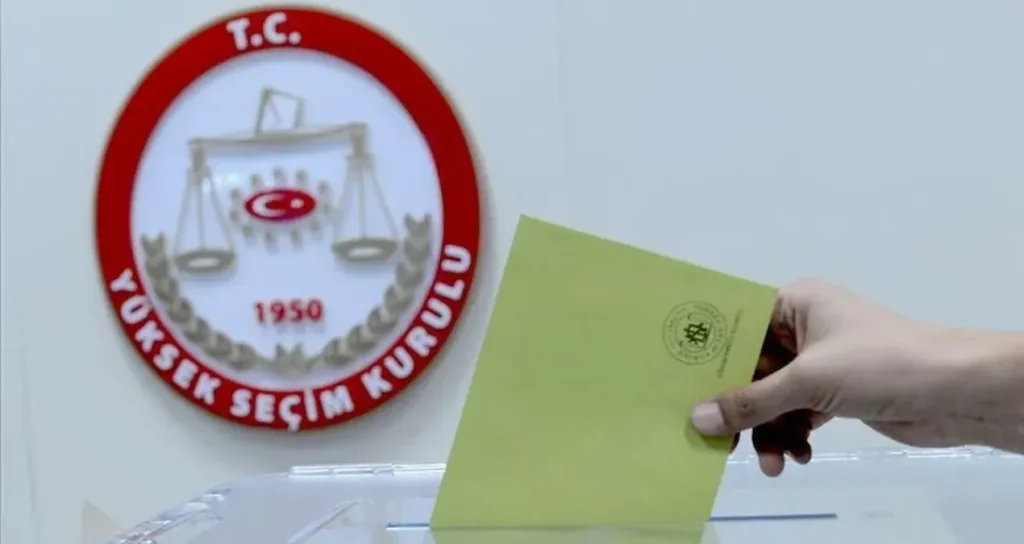
In a recent commentary on the political landscape of upcoming elections, former AKP MP Şamil Tayyar made significant predictions about the timeline for the next electoral cycle. Tayyar indicated that an election decision could be made as early as October, suggesting a high likelihood for the elections to be scheduled in November 2027 or April 2028. His insights also pointed towards a perceived active year ahead in Turkish politics, with potential shifts in party alignments that could influence the election outcomes.
| Article Subheadings |
|---|
| 1) Predictions for Upcoming Elections |
| 2) The Role of Mansur Yavaş in Political Dynamics |
| 3) Impacts of Political Alliances |
| 4) Challenges Facing the New Party and CHP |
| 5) The Future of Political Collaboration in Turkey |
Predictions for Upcoming Elections
In a recent media appearance, Şamil Tayyar articulated his views on the anticipated timing for Turkey’s next elections. He stated that the decision about elections is expected to emerge around October, with a strong possibility that the elections will occur in November 2027 or as late as April 2028. According to Tayyar, the formal election calendar, which frames the political landscape, is likely to become active by the same time next year, emphasizing the growing urgency in the political atmosphere ahead of these pivotal months.
As political debates continue to unfold, the expectation is that Turkey’s political factions will mobilize towards either consolidating power or influencing voter sentiments. Tayyar’s perspective brings to light the transitional phase within Turkish politics, suggesting that parties need to gear up for the electoral campaigns sooner rather than later. In discussing these timelines, he communicates confidence in a dynamic and evolving political climate, one that may entail previously unforeseen alliances and strategic campaigns all vying for voter attention.
The Role of Mansur Yavaş in Political Dynamics
Tayyar shed light on the significant role of Mansur Yavaş, the Mayor of Ankara, amidst this impending electoral landscape. He articulated that Yavaş’s political positioning will heavily rely on developments within the political sphere over the next few months. The former AKP member suggested that Yavaş finds himself at a crossroads, where his next steps will be critical as the political environment evolves towards elections.
The commentary hints that Yavaş might be in a state of political observation, waiting to make definitive moves that could influence his potential candidacy. Tayyar noted that the political maneuvers of right-wing parties, particularly concerning alliances, could either elevate or diminish Yavaş’s prospects. With ongoing discussions regarding potential party collaborations, the landscape may yield a scenario where Yavaş could emerge as a leading unified candidate against the backdrop of a coordinated opposition.
Impacts of Political Alliances
The discourse on political alliances becomes particularly salient as Tayyar delineates the potential implications these alliances might have on the upcoming elections. He posits that discussions surrounding political partnerships among various right-leaning factions could be indicative of shifting fault lines in Turkish politics. These developments might result in new collaborative frameworks that significantly alter the electoral terrain.
Given the history of Turkish politics, alliances can effectively reshape political narratives and voter mobilization strategies. For instance, the combination of votes from aligned parties could present formidable challenges to traditional electoral expectations. Tayyar highlighted that if parties such as the İYİ Party unite, this could place Yavaş in a favorable position to be nominated as a shared candidate, pointing towards an era where fragmentation gives way to strategic consolidation among political entities.
Challenges Facing the New Party and CHP
Tayyar also critiqued the current state of the New Party and its association with the Republican People’s Party (CHP), signaling a decline in the New Party’s momentum and influence. His observation suggests that the New Party’s initial promise has diminished, presenting concerns over viability as it navigates the turbulent waters of Turkish politics.
Moreover, Tayyar scrutinized the dynamics within the CHP, asserting that it is both politically and morally unsound for members to maintain allegiance to the party while also promoting another political agenda. This internal conflict raises questions regarding party loyalty and the effects of factionalism, ultimately posing risks to the CHP as it attempts to maintain cohesion and a clear political identity moving forward.
The Future of Political Collaboration in Turkey
As Turkish politics evolve, the prospects for effective political collaboration appear promising yet fraught with challenges. Tayyar’s assessments point toward an increasing likelihood of coalitions forming in preparation for the elections. He hinted that the landscape might witness a number of political actors acting pragmatically, recognizing the need to align their interests to secure electoral success.
By examining these potential collaborations and the shifting political alliances, Tayyar brings attention to the complexities involved in steering through the ideological divisions that have historically characterized Turkish politics. Collaboration could serve as a mechanism through which parties address pressing issues, strategize for electoral campaigns, and resonate with the electorate’s demands. As the political scene anticipates these fluctuations, it is clear that adaptability will be key for parties as they negotiate their way toward the polls.
| No. | Key Points |
|---|---|
| 1 | Former AKP MP Şamil Tayyar predicts an election decision by October. |
| 2 | Elections could be scheduled for November 2027 or April 2028. |
| 3 | Mansur Yavaş poised to be a significant figure in upcoming political dynamics. |
| 4 | Potential alliances among right-wing parties could impact election outcomes. |
| 5 | The New Party’s influence is waning, raising questions about its future viability. |
Summary
The latest assessments by Şamil Tayyar highlight key trajectories within the Turkish political landscape as the country prepares for significant elections in the coming years. The mention of upcoming candidacies, evolving party dynamics, and possible new alliances sets the stage for a politically charged atmosphere as Turkey approaches critical decision-making periods. How political entities respond to these predictions and the swift developments within the political climate will define the nature and outcome of the elections ahead.
Frequently Asked Questions
Question: What predictions did Şamil Tayyar make regarding elections in Turkey?
Tayyar suggested that the election decision could be made in October, with elections possibly scheduled for November 2027 or April 2028.
Question: How does Mansur Yavaş play into these current political dynamics?
Tayyar indicated that Yavaş is in a wait-and-see position, depending on political developments that could affect his potential candidacy.
Question: What challenges are the New Party and CHP facing according to Tayyar?
Tayyar noted that the New Party has lost momentum and criticized the CHP for its conflicting political affiliation, asserting that it is not correct for members to support another party while being part of the CHP.