
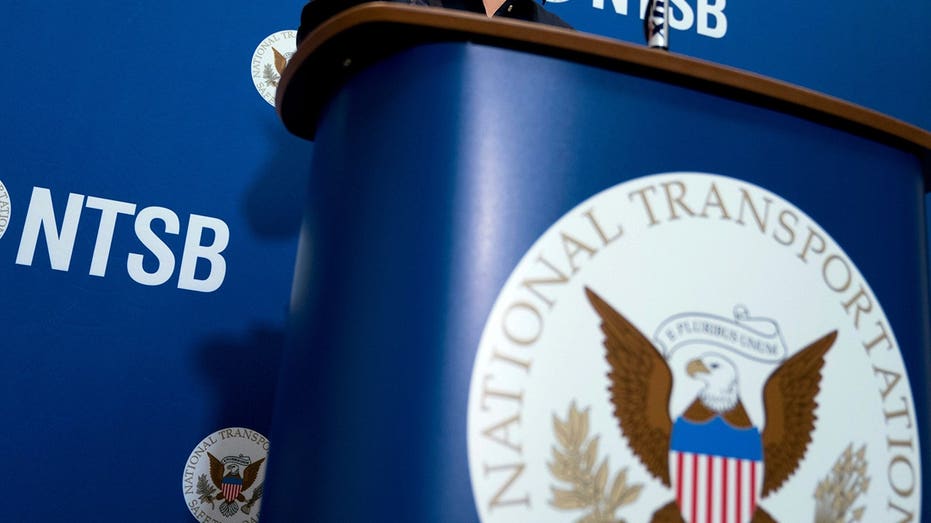
Eight people were killed this week when a twin-engine Cessna 441 charter plane crashed in southwestern Alaska. Two of the victims were employees of the U.S. Army Corps of Engineers, according to the military. The aircraft was flying from Anchorage to the Cape Newenham Long Range Radar Site when it encountered fog on Thursday. The passengers’ identities had not been released as of Friday, while recovery and response efforts continued.
The crash occurred near a remote military radar installation that monitors aircraft operating around Alaska. U.S. Coast Guard personnel, the National Transportation Safety Board, Alaska State Troopers and the Rescue Coordination Center responded to the site.
| Article Subheadings | |
|---|---|
| 1) | Crash kills eight people near a remote radar site |
| 2) | Army Corps employees were among those aboard |
| 3) | Fog complicated the flight to Cape Newenham |
| 4) | Officials support families and investigate the wreck |
| 5) | The crash renews attention on Alaska’s aviation risks |
Crash kills eight people near a remote radar site
The twin-engine Cessna 441 crashed Thursday near the Cape Newenham Long Range Radar Site in southwestern Alaska. Eight people were aboard, and the military confirmed that there were no survivors. The aircraft had departed Anchorage for the remote installation, where radar equipment is used to track aircraft operating in and around Alaska. A recovery mission began after the crash, involving federal and state agencies working in difficult terrain and weather conditions.
Army Corps employees were among those aboard
Two of the people killed were employees of the U.S. Army Corps of Engineers. Military officials said the families of those employees had been notified, but the victims’ names would be released 24 hours after relatives received the information. The identities of the other passengers also had not been made public by Friday. The employees were traveling as part of work connected to a demanding remote environment, according to the military.
“This is a devastating loss for our military family and the communities we serve. These individuals were dedicated professionals carrying out a vital mission in a demanding environment.”
Fog complicated the flight to Cape Newenham
The plane was traveling from Anchorage to Cape Newenham when it became caught in fog, according to the reported account of the flight. Cape Newenham is home to a Long Range Radar Site, one of several isolated facilities supporting air monitoring across Alaska. The available information did not identify a specific mechanical failure or establish the precise cause of the crash. Investigators will examine the aircraft, weather and flight circumstances as they work to determine what happened.
Officials support families and investigate the wreck
The response included the U.S. Coast Guard, the National Transportation Safety Board, Alaska State Troopers and the Rescue Coordination Center. Their work focused on reaching the remote crash location, recovering those aboard and preserving information needed for the investigation. Robert Davis, commander of Alaskan Command, the Alaskan North American Aerospace Defense Command Region and Eleventh Air Force, said military authorities were prioritizing support for families, friends and colleagues.
“Our absolute priority right now is providing unwavering support to their families, friends, and teammates during this devastating time. We are profoundly grateful for the swift and tireless response of our search and recovery professionals.”
Lisa Murkowski, Alaska’s Republican senator, expressed condolences and thanked the responding agencies. She also referred to Security Aviation and its pilots, saying she had traveled extensively with the company in Alaska and had met some of its experienced pilots.
The crash renews attention on Alaska’s aviation risks
The fatal crash adds to Alaska’s recent record of deadly aviation accidents. Last year, a Bering Air flight traveling to Nome crashed onto sea ice, killing all 10 people aboard. A subsequent NTSB report found that aircraft more than 1,000 pounds over the maximum takeoff gross weight for flight into known or forecast icing conditions. That earlier finding does not establish a connection to the Cape Newenham crash, whose cause remains under investigation, but it highlights the operational challenges faced by aircraft flying in Alaska’s severe and changeable conditions.
Summary
Eight people died when a Cessna 441 charter aircraft crashed near the Cape Newenham Long Range Radar Site after flying from Anchorage. Two victims were Army Corps of Engineers employees, and their families were notified before the release of their names. Fog was reported during the flight, while federal and state agencies continued recovery and investigative work. The circumstances that caused the crash had not been determined.
| Number | Key Point |
|---|---|
| 1 | Eight people were killed in the crash. |
| 2 | Two victims worked for the U.S. Army Corps of Engineers. |
| 3 | The Cessna 441 was flying from Anchorage to Cape Newenham. |
| 4 | Fog was reported during the flight. |
| 5 | Recovery and investigation efforts involved multiple agencies. |
Frequently Asked Questions
How many people died in the Alaska crash?
Eight people were killed when the charter plane crashed near the Cape Newenham Long Range Radar Site.
Who among the victims was identified by officials?
The military confirmed that two victims were employees of the U.S. Army Corps of Engineers. Their names had not been released as of Friday.
What was the aircraft’s route?
The twin-engine Cessna 441 was flying from Anchorage to the Cape Newenham Long Range Radar Site in southwestern Alaska.
What is known about the cause?
The aircraft encountered fog during the flight, but officials had not established the precise cause of the crash.