
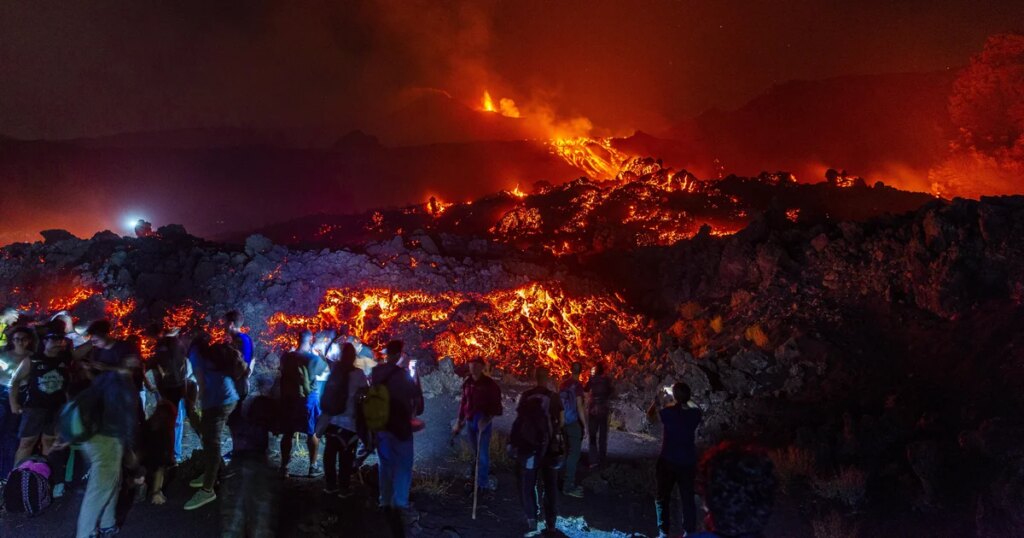
In a tragic incident, a 30-year-old American tourist lost his life after being struck by lightning while hiking on Mount Etna in Italy. This event occurred amid a powerful thunderstorm that swept across the region, leading to unsafe hiking conditions. Emergency responders arrived promptly, but despite their efforts, the tourist was pronounced dead shortly after reaching the hospital.
| Article Subheadings |
|---|
| 1) Overview of the Incident |
| 2) Conditions on Mount Etna |
| 3) Safety Precautions for Hikers |
| 4) Impact of Volcanic Activity |
| 5) Broader Context of Lightning Strikes |
Overview of the Incident
The incident took place on a Sunday, with the American tourist venturing into a hazardous section of Mount Etna, which has been marked off-limits due to safety concerns. As a sudden thunderstorm loomed, causing lightning to strike, the unfortunate hiker suffered severe injuries and went into cardiac arrest. Emergency provisions on the mountain allowed responders to reach him just before nightfall, around 8 p.m. local time (2 p.m. Eastern time). Upon arrival, they found the tourist unresponsive and worked quickly to transport him to the Cannizzaro Hospital in Catania. Unfortunately, efforts to revive him proved futile, and he was declared dead at 9:30 p.m.
Conditions on Mount Etna
Mount Etna is renowned as Europe’s tallest active volcano and one of the most frequently erupted in the world. Based in Sicily, it draws in around 1.5 million tourists annually, offering stunning views and fascinating geological activity. However, the volcano’s dynamic nature presents significant hazards for hikers and visitors. The powerful forces beneath the surface can lead to sudden eruptions or significant changes in weather conditions. The remarkable transition from sea level to high altitudes takes place over a short distance, creating precarious environments that can change rapidly, especially when storm systems sweep in from the coast.
Weather fluctuations caused by Mount Etna’s geography mean that hikers often encounter extreme conditions that can challenge even experienced outdoor enthusiasts. Italy’s Civil Protection agency has issued warnings about the risks associated with these changes. On the day of the tragic incident, such warnings proved prophetic, underscoring the need for constant vigilance when engaging in outdoor activities on the mountain.
Safety Precautions for Hikers
Given the potential risks associated with hiking on Mount Etna, authorities have amplified safety measures in recent weeks, particularly due to ongoing volcanic activity. These precautions include restricting access to certain areas of the volcano to minimize the likelihood of similar tragedies. Many of the designated off-limits areas are situated on the upper slopes, where hikers have limited shelter and must contend with the active elements of nature.
Potential hikers should remain well-informed before setting out on their journey. They should consult official weather forecasts while observing alerts released by local authorities regarding volcanic activity. Compliance with local regulations and guidance is essential, as the combination of hazardous weather and geological activity can create dangerous environments that lead to unfortunate accidents. Visitors are encouraged to consider guided tours, as experienced guides can provide vital information about the changing conditions and ensure the safety of all group members.
Impact of Volcanic Activity
The incident involving the American tourist is underlined by a broader context of recent volcanic activity on Mount Etna. The volcano has experienced an uptick in eruptions, with frequent ash emissions affecting the air quality and visibility in the surrounding region. Reports indicate that these activities have resulted in disruptions to flights at nearby Catania International Airport, further illustrating the volcano’s dynamic presence in the area.
The allure of witnessing volcanic activity—from flowing lava to plumes of ash—continues to attract tourists, who often seek out unique experiences at the mountain. However, this fascination comes with inherent danger, especially given the volatility associated with active volcanoes. For avid hikers and tourists, it is essential to stay aware of current geological conditions, and local advisories, and practice caution when exploring the region.
Broader Context of Lightning Strikes
The tragic death of the tourist due to lightning adds to the broader narrative of weather-related incidents impacting outdoor enthusiasts in Italy. On the same day as the Mount Etna event, another fatal lightning strike occurred in the Alps, where an Italian man also succumbed to similar circumstances while hiking. Authorities emphasize the importance of awareness regarding changing weather conditions in potential lightning-prone areas, particularly during stormy seasons.
Official channels recommend that hikers limit their exposure during inclement weather and postpone hikes when severe thunderstorms are expected. Lightning can strike without warning, and its destructive potential can be exacerbated in open landscapes such as mountains and hiking trails. Outdoor enthusiasts must take personal responsibility to ensure their safety, heed warnings, and remain cautious when enjoying the outdoors.
| No. | Key Points |
|---|---|
| 1 | An American tourist was struck by lightning on Mount Etna, resulting in his death. |
| 2 | The tourist had accessed an off-limits area of the volcano prior to the lightning strike. |
| 3 | Emergency services reached the man but could not revive him after transport to a local hospital. |
| 4 | Mount Etna has been active recently, affecting air quality and resulting in flight disruptions at Catania International Airport. |
| 5 | Similar lightning incidents in Italy underscore the need for caution among outdoor enthusiasts. |
Summary
The tragic death of the American tourist on Mount Etna highlights the importance of adhering to safety regulations and the relentless power of nature. As the volcano remains active and the weather can turn quickly, both local authorities and visitors must prioritize safety measures to prevent similar incidents. Awareness of environmental conditions, comprehensive planning, and responsible hiking practices are essential for ensuring safety in these stunning yet dangerous destinations.
Frequently Asked Questions
Question: What should hikers do to ensure their safety on Mount Etna?
Hikers should check weather forecasts, follow local advisories, and stay clear of restricted areas on the mountain. Guided tours can also provide valuable safety information.
Question: What are the common risks associated with hiking on volcanic mountains?
Common risks include sudden weather changes, volcanic eruptions, and lightning strikes. It is crucial to remain informed and cautious while hiking in such environments.
Question: How can hikers prepare for unexpected weather occurrences?
Hikers can prepare by carrying appropriate gear, monitoring weather updates, and being prepared to alter or cancel their plans when severe weather is anticipated.