
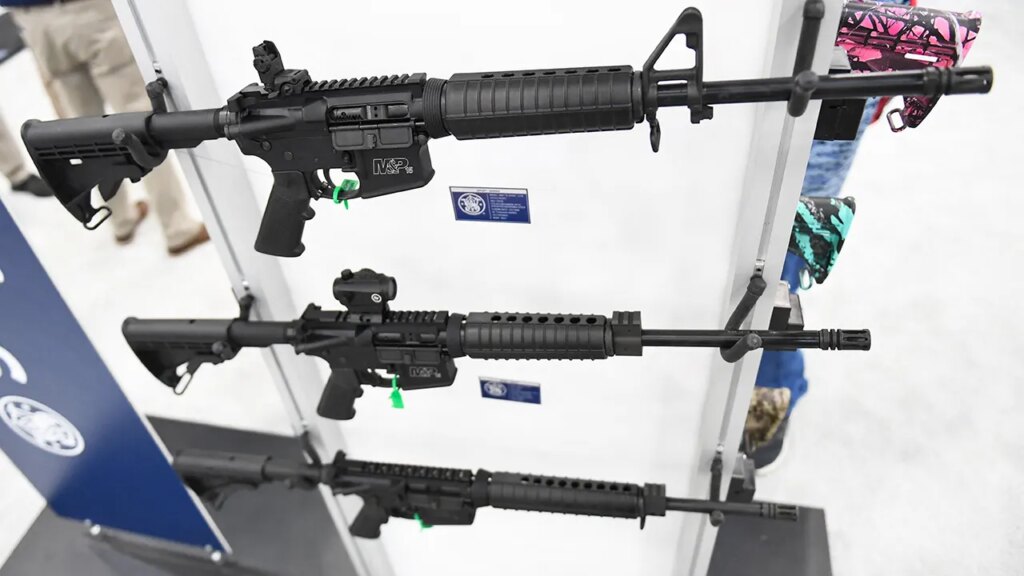
In a significant move regarding gun rights, the U.S. Court of Appeals for the Third Circuit recently clarified the application of federal laws prohibiting gun possession by convicted felons. The court determined that such bans can only apply to individuals whose prior convictions involved violence or credible threats that pose a risk to public safety. This ruling simultaneously upholds the Second Amendment rights of certain offenders, emphasizing the need for individualized assessments of previous criminal conduct. The implications of this decision are profound, as it introduces a new standard for evaluating gun ownership rights among felons across the United States.
| Article Subheadings |
|---|
| 1) Overview of the Court’s Ruling |
| 2) Details of the Cases Involved |
| 3) Implications for Second Amendment Rights |
| 4) Dissenting Opinions and Legal Perspectives |
| 5) Future Outlook on Gun Legislation |
Overview of the Court’s Ruling
On Tuesday, a federal appeals court issued two significant rulings concerning the application of the federal ban on gun possession by convicted felons. This decision addressed an ongoing debate over the balance between public safety and individual rights under the Second Amendment. The Third Circuit Court presented a nuanced stance, asserting that restrictions on gun ownership must hinge on whether the prior convictions of individuals included elements of violence or credible threats. This distinction is critical as it defines how these laws will be enforced moving forward, allowing for potentially greater liberties in gun ownership for those previously convicted of non-violent crimes.
Details of the Cases Involved
The court examined two specific cases to establish its ruling: the case of James Bost and the case of Edward Williams. Bost, with a history of serious crimes, including a conviction for carjacking, faced federal firearms charges after being found with a gun. His convictions included charges such as terroristic threats and criminal conspiracy, which the court recognized as sufficiently violent to uphold the firearm ban against him.
In contrast, Williams presented a different situation. His past offenses were limited to driving under the influence, which traditionally do not involve violence or threats to others. After being informed that his conviction disqualified him from owning firearms, Williams challenged the constitutionality of the application of the federal firearm limitation in his case. The court ruled in his favor, concluding that his previous convictions did not indicate a credible threat to public safety.
Implications for Second Amendment Rights
The implications of the Third Circuit’s decision reverberate across legal and social landscapes, bringing about crucial changes in how the Second Amendment rights of felons are interpreted and enforced. The ruling emphasizes the need for individualized assessments rather than blanket bans for all felons, thereby broadening the scope of gun ownership rights for many individuals who have committed non-violent offenses. The decision illustrates a significant shift in judicial interpretation since the Supreme Court’s 2022 ruling on Second Amendment rights, which insists that restrictions must align with the historical context of firearm regulation in the U.S.
Dissenting Opinions and Legal Perspectives
The rulings were not unanimously accepted; there were dissenting opinions among the judges. Arianna Freeman, one of the judges, expressed her disagreement with the majority perspective, insisting that the courts should also account for other forms of criminal conduct that, while not explicitly violent, can pose credible threats to public safety. Her view suggests that offenses like drunk driving should also disqualify individuals from owning firearms, arguing that such behaviors demonstrate irresponsible handling of dangerous situations, and thus, threaten the safety of others.
Lawyers involved in these cases view this ruling as a crucial step toward ensuring that individual rights are protected. Joshua Prince, Williams’ attorney, articulated the sentiments shared by many advocates for gun rights, emphasizing that there is no historical precedent for stripping individuals with non-violent indictments of their Second Amendment entitlements.
Future Outlook on Gun Legislation
Looking forward, the rulings from the Third Circuit are expected to influence the ongoing discussions regarding gun control and legislation not just in Pennsylvania, but potentially across various jurisdictions. As states reevaluate their laws in light of this ruling, the likelihood of challenges to existing regulations increases. Legal experts anticipate that similar cases will emerge, testing the boundaries of the rights afforded to individuals with felony convictions.
This evolving narrative adds complexity to gun legislation as lawmakers may need to reconsider how they define criminal conduct related to firearms. The challenge will be to see how state laws adapt or confront these judicial interpretations, especially as public sentiment varies widely regarding gun ownership and safety.
| No. | Key Points |
|---|---|
| 1 | The U.S. Court of Appeals established that federal limits on gun ownership apply only to felons with prior convictions involving violence. |
| 2 | The ruling clarified how individual assessments of past offenses should guide the application of gun possession laws. |
| 3 | Legal experts anticipate that this ruling will prompt more challenges to current gun laws nationwide. |
| 4 | The decision could impact future legislative considerations regarding gun rights for individuals with non-violent offenses. |
| 5 | Dissenting opinions highlight differing views on whether non-violent offenses should also influence gun possession rights. |
Summary
The recent rulings by the Third Circuit Court represent a pivotal moment in the ongoing discourse regarding Second Amendment rights and the implications for convicted felons. The distinction made between violent and non-violent offenses brings forth a new era of legal interpretations that could redefine gun ownership laws. As courts and lawmakers grapple with these changes, the balance between public safety and individual rights will continue to be a central theme of discussion in the evolving landscape of gun legislation.
Frequently Asked Questions
Question: What did the Third Circuit Court decide regarding gun possession for felons?
The Third Circuit Court ruled that the federal ban on gun possession only applies to individuals whose prior convictions involved violence or credible threats that pose a risk to public safety.
Question: How do dissenting opinions affect the interpretation of these rulings?
Dissenting opinions highlight differing views among judges, suggesting that offenses not involving violence, such as drunk driving, should also be considered when assessing gun possession rights, thereby adding complexity to the legal interpretation.
Question: What implications do these rulings have for future gun legislation?
The rulings set a precedent that may prompt states to reevaluate their existing laws around gun ownership, potentially leading to increased legal challenges and a shift towards more individualized assessments of criminal backgrounds in relation to gun rights.