
The impending execution of Nidal Malik Hasan, the Fort Hood shooter responsible for the infamous 2009 mass shooting, has ignited a heated debate following the Pentagon’s decision to consider live-streaming the event. Scheduled for December 3, 2023, at Fort Hood, this would mark a historic moment as Hasan is set to be the first individual executed by a U.S. military firing squad since 1945. The potential live broadcast has drawn criticism from various religious and political leaders, who argue that the public execution would be an unnecessary spectacle lacking moral justification.
| Article Subheadings |
|---|
| 1) Overview of Nidal Malik Hasan’s Crimes and Sentence |
| 2) The Reactions from Religious Leaders |
| 3) The Standpoint of Political Figures |
| 4) Examination of the Live-Streaming Controversy |
| 5) Historical Context and Implications of the Execution |
Overview of Nidal Malik Hasan’s Crimes and Sentence
Nidal Malik Hasan, a former Army psychiatrist, was convicted of a tragic mass shooting that occurred on November 5, 2009, at Fort Hood, Texas. During the incident, Hasan opened fire, killing 13 people and injuring 32 others. The shooting was the deadliest act of domestic terrorism on a military base in U.S. history. Hasan, now 56 years old and confined to a wheelchair due to injuries sustained during a police response, was sentenced to death in 2013 for his heinous actions. The case has been difficult for many, especially for the families of the victims, and the upcoming execution has been a long-awaited event in their pursuit of justice.
The U.S. Army announced that Hasan’s execution is set for December 3 at 1 p.m. CST, marking a significant historical precedent as it will be the first military execution since 1961. This execution will be carried out by a firing squad, an execution method that has not been utilized by the U.S. military since World War II. The Pentagon has suggested that publicizing the event could serve as a deterrent against future incidents of military-based violence, a claim that has raised eyebrows among various factions.
The Reactions from Religious Leaders
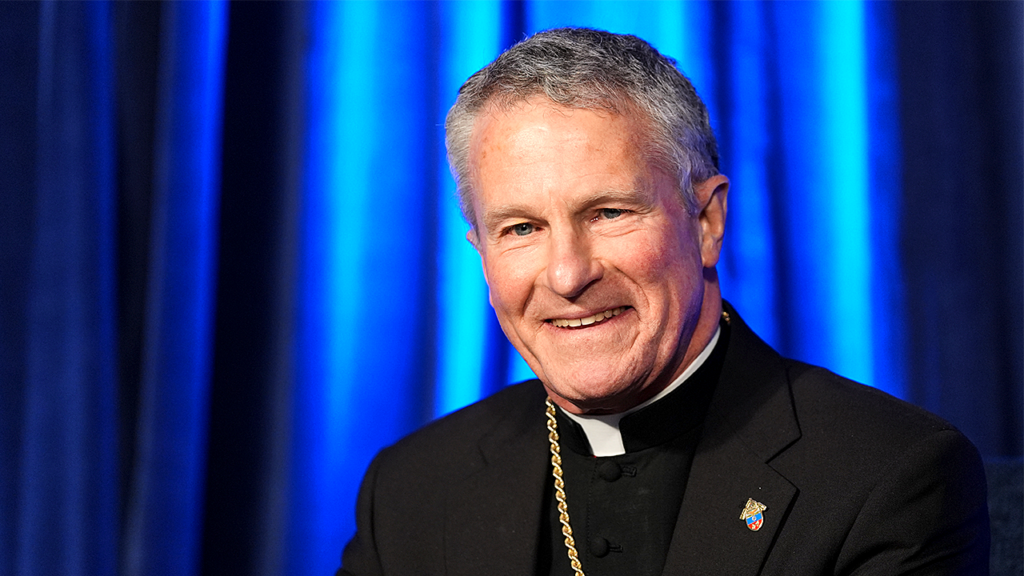
The execution plan has elicited strong reactions from a number of religious figures, particularly within the Catholic community. Archbishop Timothy Broglio, who oversees Catholic pastoral services for the military, has expressed serious concerns about the decision to potentially broadcast the execution. In a statement, he referred to the move as unprecedented and emphasized the responsibility of Catholic soldiers, suggesting they request to be excused from participating in an act that contradicts the Church’s teachings.
Broglio articulated that while Hasan’s crime was heinous, it is questionable whether public exposure to his execution serves any justifiable purpose. He pointed to the broader implications of such a spectacle, cautioning against imitating terrorist tactics that aim to instill fear through violence. This sentiment resonates with the Catholic Church’s longstanding opposition to the death penalty, which leaders argue is fundamentally opposed to the dignity of human life.
In a separate statement, Archbishop Paul Coakley, the head of the U.S. bishops conference, also voiced his dismay at the plans for a public execution, labeling it a “barbaric promotion of a culture of death.” Coakley’s comments reflect deep-rooted concerns regarding the societal impacts of capital punishment and the potential normalization of violence through public spectacle.
The Standpoint of Political Figures
Political leaders have also weighed in on the live-streaming controversy, reflecting a fracture in views regarding both capital punishment and public executions in the United States. Vice President JD Vance, a practicing Catholic, has expressed skepticism about the desirability of the execution being broadcast. He conveyed his reluctance to watch it and cautiously addressed the implications of establishing such a precedent in American justice.
Concerns have also been raised by several lawmakers on both sides of the aisle. One prominent critic, Senator Thom Tillis, remarked, “Public executions are what oppressive dictatorships like Iran and Afghanistan do. It should not be happening in America.” Such statements underscore a growing discomfort with capital punishment methods that push the boundary between justice and retribution in a public forum.
Examination of the Live-Streaming Controversy
The Pentagon’s proposal to live-stream Hasan’s execution has sparked debates not just about its morality, but also about its significance and potential repercussions. Concerns stem from the unprecedented nature of the event; no U.S. execution has ever been broadcast to the public. Critics argue that the move could trivialize the gravity of the act of execution, trivializing human life in a manner that is antithetical to justice.
As discussions unfold, the Pentagon has faced criticism for a lack of transparency in how it plans to select members for the firing squad and manage public access to the event. The ethical implications of such a spectacle have been hotly contested, with voices in both law enforcement and the Church advocating for a return to more dignified methods of enacting justice. The potential broadcast raises critical questions about the intersection of morality, justice, and public perception in contemporary society.
Historical Context and Implications of the Execution
This upcoming execution not only marks a pivotal moment in U.S. military history but also signifies broader discussions about capital punishment in modern society. The last military execution occurred in 1961, reflecting a significant shift in public perception and legal practice regarding capital punishment within the military and civilian sectors. Analysts note that this case could become emblematic of a changing landscape in how society enacts justice, particularly in response to acts of terrorism and violence.
Moreover, as public sentiments about the death penalty evolve, the decision to carry out and broadcast an execution raises pertinent questions about human dignity and what it means to pursue justice in an age marked by media saturation. Many observers fear it risks turning a necessary act of justice into a sensationalized event, ultimately eroding the moral ethos that underpins the judicial system.
| No. | Key Points |
|---|---|
| 1 | Nidal Malik Hasan will be executed on December 3, 2023, marking a historic military execution. |
| 2 | The Pentagon plans to potentially live-stream the execution, raising ethical concerns. |
| 3 | Religious leaders, particularly within the Catholic Church, oppose the execution and its public broadcast. |
| 4 | Political figures have expressed skepticism regarding public executions and their implications. |
| 5 | This case could set a precedent for future executions in the U.S., influencing public sentiment on capital punishment. |
Summary
The planned execution of Nidal Malik Hasan on December 3 is poised to engender significant discourse surrounding the ethics of capital punishment and the public presentation of justice. Amidst a backdrop of diverse reactions from religious figures and political leaders, the decision to potentially broadcast the execution raises moral and societal implications. As America reflects on its judicial practices, this historic event could serve as a landmark moment in the national conversation about justice, morality, and the value of human life.
Frequently Asked Questions
Question: Who is Nidal Malik Hasan?
Nidal Malik Hasan is a former Army psychiatrist who was convicted for the mass shooting at Fort Hood military base in 2009, which resulted in the deaths of 13 individuals.
Question: Why is the Pentagon considering live-streaming the execution?
The Pentagon argues that broadcasting the execution could serve as a deterrent against future acts of violence or terrorism within the military community.
Question: What are the concerns regarding the live-streaming of executions?
Concerns center around the potential for the event to become a sensational public spectacle, undermining the moral ethos of justice and possibly trivializing the seriousness of capital punishment.