
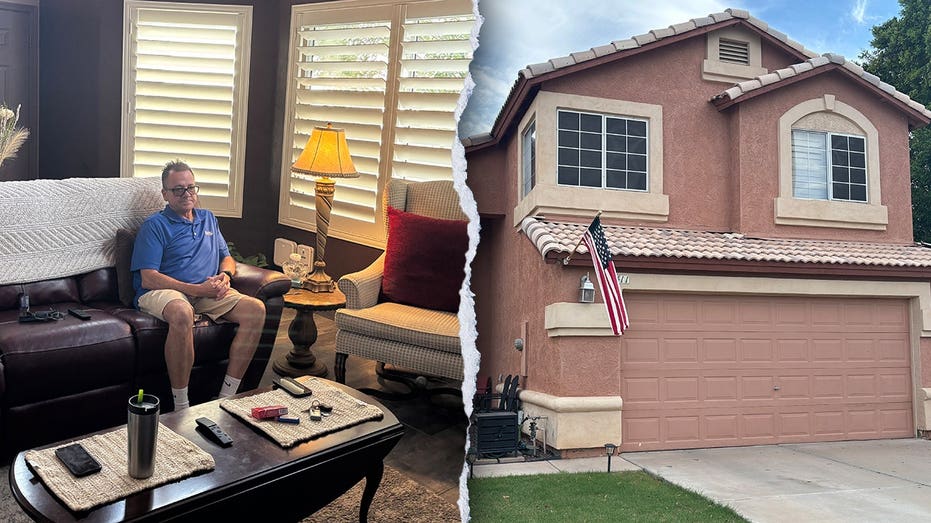
Toby Newton, a Mesa, Arizona, homeowner, says his four-bedroom house was sold at auction after he fell behind on less than $1,000 in homeowners association dues. Newton said job loss, his diabetes diagnosis and his partner’s breast cancer treatment left him unable to keep up with quarterly payments. He said attempts to arrange a payment plan were rejected before attorney fees increased the claimed debt to nearly $10,000. The home, purchased for his retirement years, was reportedly sold for $8,172 in November 2025.
| 1) | Homeowner’s financial hardship and unpaid dues |
| 2) | Efforts to negotiate a payment plan |
| 3) | Foreclosure proceedings and auction sale |
| 4) | Newton’s effort to remain in the property |
| 5) | Broader concerns about HOA collections |
Homeowner’s financial hardship and unpaid dues
Toby Newton, 53, bought the Mesa home in 2022. He said he later lost his sales job and was diagnosed with diabetes, while his partner was undergoing treatment for breast cancer. Those circumstances caused him to fall about a year and a half behind on quarterly association assessments.
Newton said the regular payment was approximately $170 every three months and that the unpaid dues eventually reached $977. He described the home as a place intended for his later years and said the financial difficulties were connected to serious health and employment problems rather than a refusal to pay.
Efforts to negotiate a payment plan
According to Newton, he contacted the community’s homeowners association to seek a way to bring the account current. He said he was directed to communicate with the association’s attorney instead of arranging a payment plan directly with the association.
Newton said he offered to pay an additional $50 each month on top of his regular assessments. He also said a proposal to increase the monthly payment by $200 was rejected. The association’s attorney was contacted for comment, but no response was included in the report.
“I just don’t understand how an HOA that’s supposed to be there for the community doesn’t work with the community at all,” Newton said.
Foreclosure proceedings and auction sale
After the payment discussions failed, Newton said the association began foreclosure proceedings. He said legal costs caused the amount he owed to rise from $977 to nearly $10,000, with most of the increase attributed to attorney fees.
The property was sold at a public auction in November 2025 for $8,172, according to reporting cited in the original account. Newton said he learned about the auction only two days before it occurred. The reported sale price was far below the home’s stated value of approximately $475,000.
Newton’s effort to remain in the property
Despite the auction, Newton said he was still living in the house and had not yet been removed. He said he does not plan to leave and is seeking a way to preserve ownership or otherwise remain in the property.
Newton and his partner created an online fundraiser expressing hope that they could buy the home back. Their effort reflects the immediate challenge facing the couple as they attempt to address the auction while dealing with the underlying health and financial pressures.
“The sale happened and I’m still in the house,” Newton said. “I’m just trying to save it because I don’t know how it could go from owing them $977 to $10,000.”
Broader concerns about HOA collections
Homeowners associations across the United States have faced criticism over fines, collections and foreclosure actions involving unpaid assessments. Associations and real estate experts have also pointed to rising operating costs, reduced reserve funds and the need to collect dues for essential community expenses.
Industry collection practices have drawn renewed attention as more associations take action against delinquent accounts. HOA-related foreclosures were reported to have increased by nearly 40% compared with two years earlier. Newton’s case illustrates how a relatively small unpaid balance can become substantially larger when legal expenses are added, although the specific legal status of his property remains unresolved in the account.
| Number | Key Point |
|---|---|
| 1 | Newton said he owed $977 in HOA dues. |
| 2 | He attributed the missed payments to job loss and serious health issues affecting his household. |
| 3 | He said the debt grew to nearly $10,000 after attorney fees. |
| 4 | The Mesa property was reportedly auctioned for $8,172 in November 2025. |
| 5 | Newton said he remained in the home and hoped to regain ownership. |
Summary
The reported foreclosure has left Toby Newton seeking a way to remain in a Mesa home he says was sold after a $977 HOA debt expanded through legal fees. His account highlights the financial consequences that can follow unpaid assessments and the wider debate over how associations should balance collection obligations with hardship cases. The association’s response and the final legal outcome were not provided.
Frequently Asked Questions
How much did Newton say he originally owed?
Newton said his unpaid homeowners association dues totaled $977.
How did the debt reportedly increase?
He said attorney fees increased the amount to nearly $10,000 after foreclosure proceedings began.
When and for how much was the home reportedly sold?
The Mesa home was reportedly sold at a public auction in November 2025 for $8,172.
What does Newton say he wants to do now?
Newton said he wants to avoid being removed from the property and hopes to find a way to buy the home back or otherwise preserve it.