
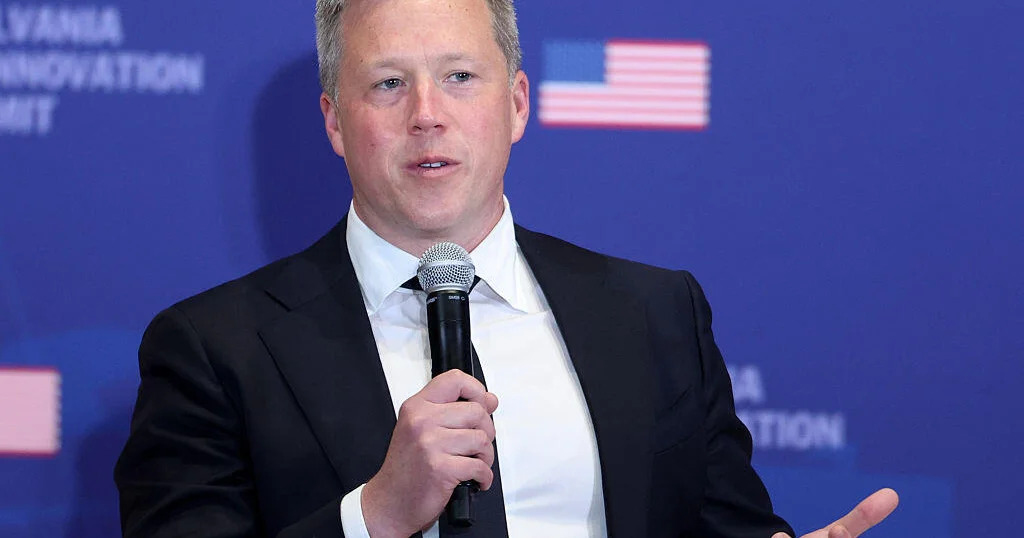
U.S. Army Secretary Dan Driscoll is reportedly considering resigning from his position by the end of the year, an announcement that could have significant implications for the Pentagon’s leadership. This development follows a series of internal conflicts, particularly involving Defense Secretary Pete Hegseth, after the dismissal of Gen. Randy George, a close ally of Driscoll. The potential resignation comes as the Army is also restructuring its focus on unmanned systems, including the controversial decision to phase out a drone battalion formed to study lessons from recent conflicts.
| Article Subheadings |
|---|
| 1) Internal Friction in Army Leadership |
| 2) Recent Changes in Army Command |
| 3) The Fading Unmanned Assault Battalion |
| 4) Background of Dan Driscoll |
| 5) Future Implications for Army Structure |
Internal Friction in Army Leadership
The relationship between Dan Driscoll and Defense Secretary Pete Hegseth has been marked by tension, particularly following a significant leadership change within the Army. Reports indicate that the friction has escalated over several months, manifesting in disputes on key decisions affecting Army operations. Hegseth, who assumed the role of Defense Secretary earlier this year, has made headlines for ousting longtime Army chiefs and embarking on an aggressive restructuring plan. These moves have raised eyebrows not only within the Army but also across broader military and political spectrums.
Recent Changes in Army Command
The recent abrupt removal of Gen. Randy George, the previous Army chief of staff, has been a primary point of contention. His dismissal, viewed as an attempt by Hegseth to consolidate power, led to a ripple effect that has impacted both strategic and operational decisions within the Army. Following George’s departure, many within the Army leadership have expressed concern regarding the implications this restructuring may have on morale and the effectiveness of current missions. Driscoll and George were integral in the Army Transformation Initiative, which sought to integrate new technologies, particularly unmanned systems, into military operations.
The Fading Unmanned Assault Battalion
In tandem with the shifting leadership dynamics, the decision to phase out the Unmanned Assault Battalion has emerged as a critical issue. Initially established to gather and analyze lessons learned from drone operations, particularly those seen in the ongoing conflict in Ukraine, the Battalion represented a progressive shift towards leveraging technology in warfare. The dismantling of this unit has resulted from the mounting tensions between those advocating for unmanned systems and Gen. Christopher LaNeve, who has been acting as the Army Chief of Staff since George’s exit. This move indicates a potential retreat from modern warfare strategies that prioritize technological superiority.
Background of Dan Driscoll
Dan Driscoll, 39, has commanded the Army since February 2025, following Senate confirmation. With a rich background as a former Army officer who served in Iraq in 2009, Driscoll’s tenure reflects a mixture of military and civilian leadership experience. After departing active duty in 2011, he pursued legal and business opportunities, earning a law degree from Yale University and working in private equity. His close ties to Vice President JD Vance have paved the way for his current position, but ongoing conflicts may undermine his legacy and influence within military strategy.
Future Implications for Army Structure
Looking ahead, the potential resignation of Driscoll raises questions about the future direction of the U.S. Army. If he vacates his position, it could pave the way for a new framework under upcoming leadership that may further alter strategic priorities. The ongoing conflict in Ukraine and its lessons on modern warfare will undoubtedly continue to shape military strategies, but how the Army chooses to incorporate those experiences remains uncertain. A new Army Secretary may lead to a stark diversion from current strategies emphasizing the need for technological advancements in warfare.
| No. | Key Points |
|---|---|
| 1 | Secretary Dan Driscoll may resign by year-end amid tensions with Defense Secretary Pete Hegseth. |
| 2 | Hegseth ousted Gen. Randy George, a close associate of Driscoll, leading to leadership conflicts. |
| 3 | The Army plans to phase out the Unmanned Assault Battalion, highlighting internal disagreements on strategy. |
| 4 | Dan Driscoll has a background as an Army officer and experience in private equity and law. |
| 5 | The future leadership of the Army remains uncertain, impacting strategic focus and military operations. |
Summary
The potential resignation of Dan Driscoll is set against a backdrop of shifting command dynamics and strategic realignment within the U.S. Army. As tensions continue to mount under the leadership of Pete Hegseth, implications for future military operations and technological integration loom large. The Army’s ability to adapt to emerging threats while maintaining internal cohesion will be tested, especially amidst growing discussions regarding the effectiveness of unmanned systems.
Frequently Asked Questions
Question: What prompted the reported resignation of Army Secretary Dan Driscoll?
Internal conflicts with Defense Secretary Pete Hegseth, particularly following the dismissal of Gen. Randy George, have led to speculation about Driscoll’s resignation.
Question: What was the role of the Unmanned Assault Battalion?
The Unmanned Assault Battalion was formed to study lessons from drone warfare, particularly from the conflict in Ukraine, focusing on integrating unmanned systems into military strategy.
Question: Who is acting as Army Chief of Staff following Gen. George’s dismissal?
Gen. Christopher LaNeve has been serving as the acting Army Chief of Staff since Gen. Randy George’s departure.