
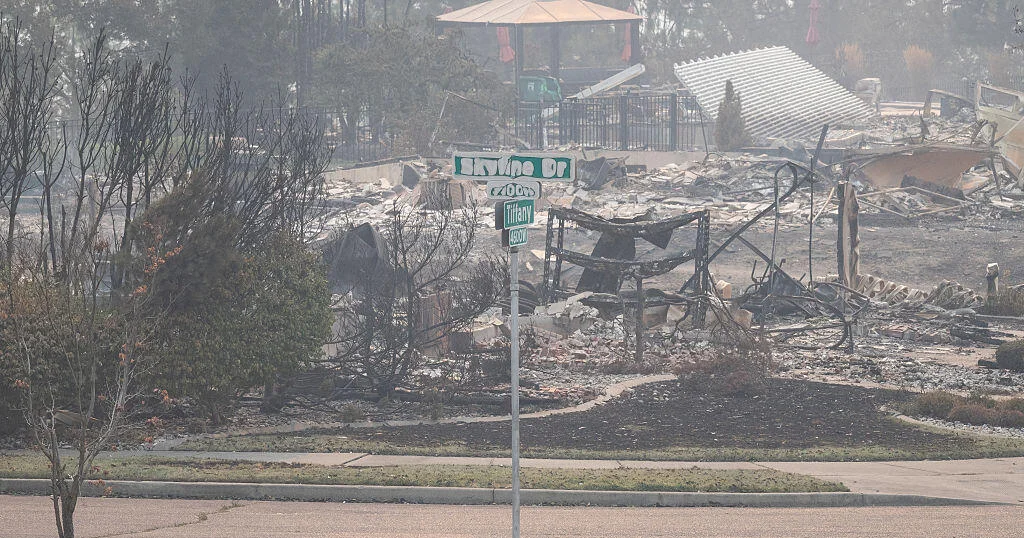
A tumultuous wildfire event has overtaken the Spokane, Washington area, leading to widespread destruction and devastation. On Monday, authorities arrested Aaron Farinacci, a 37-year-old resident, for allegedly starting the Old Trails Fire, which has been termed the most catastrophic among three ongoing wildfires. With evacuation orders affecting around 67,000 residents, local officials are grappling with the aftermath, as hundreds of homes have been lost, leaving communities in shock and sorrow.
| Article Subheadings |
|---|
| 1) Arrest of Suspect in Spokane Wildfire |
| 2) Impact of the Fires on Local Communities |
| 3) Conditions Fueling the Wildfires |
| 4) Firefighting Efforts Continue |
| 5) Future Risks and Concerns |
Arrest of Suspect in Spokane Wildfire
On Monday, Aaron Farinacci was arrested by the Spokane County Sheriff’s Office on suspicion of first-degree arson in connection to the Old Trails Fire. The investigation into Farinacci began after a witness reported seeing him kneeling close to the grass where the fire reportedly ignited. An examination of Farinacci’s belongings revealed he was in possession of waterproof matches and a butane lighter.
Authorities stated that Farinacci, who has a prior manslaughter conviction, is currently being held on a $1 million bond. The case has drawn significant media attention, as officials stress the seriousness of the crime—especially given the devastating impacts of the fire on thousands of residents. According to Sheriff John Nowels, the quick response to apprehend Farinacci indicates law enforcement’s resolve to address what they consider an egregious act that has introduced extensive suffering in the community.
Impact of the Fires on Local Communities
The impact of the Spokane wildfires is catastrophic for many families. With evacuations affecting around 67,000 people, numerous residents are returning to find their homes completely destroyed. As of the latest reports, over 700 buildings have been leveled, and assessments are still pending for nearly 400 other structures.
Local resident Anna Andreachi, who lost her home, expressed her emotional pain: “All of our memories are gone. My dad just died, and all of his stuff was still in there too.” The sentiment shared by Andreachi reflects the broader devastation felt throughout the community, as many families confront both loss and grief simultaneously. Reports indicate that local officials are working tirelessly to provide support to evacuees as they begin the long process of rebuilding their lives.
Fire survivor Joe Cvancara, who managed to save his home by digging a fire break, expressed gratitude but also indicated feelings of “survivor’s guilt.” He noted, “It’s a nightmare situation. We’re going to open our home to our neighbors. I know it’s going to take a long time to rebuild,” emphasizing the communal spirit emerging despite the disaster.
Conditions Fueling the Wildfires
The wildfires in Spokane are attributed to a perfect storm of environmental conditions. Extreme drought coupled with high temperatures and strong winds has created a combustible environment. The incidents began over the weekend, and fire crews quickly became overwhelmed as flames spread rapidly. This was exacerbated by the fact that the Pacific Northwest has experienced one of the worst fire seasons in three decades, marking a concerning trend in natural disaster frequency.
Fire officials highlighted that the fires are occurring within the wildland-urban interface, a zone where residential and wilderness areas overlap. This poses unique challenges as fires in such areas can spread rapidly, endangering lives and property. Spokesperson Daniel Ramey of the California Interagency Incident Management Team emphasized the critical nature of the current conditions, stating, “When you live next to trees and grass and the beautiful nature, you’re going to have a potential for fire.”
Firefighting Efforts Continue
Despite significant challenges, firefighting efforts are ongoing. Daniel Ramey indicated that the situation remains fluid, with conditions expected to deteriorate midweek. This puts additional pressure on firefighting teams who are striving to contain the remaining blazes—the Old Trails Fire and Fairview Fire—while primarily focusing on the Autumn Lane Fire, which has shown signs of considerable activity.
Local, state, and federal resources are coordinated to tackle the crisis, and officials emphasize the importance of rapid response in dampening the effects of the fires. As residents concern themselves with potential future evacuations, fire crews continue to conduct door-to-door assessments to ensure safety as best as possible. While reports of injuries have been limited so far, the focus on transparency regarding evacuation and safety protocols remains paramount for local authorities.
Future Risks and Concerns
As the immediate threat of these wildfires continues, officials are bracing for potential future risks as weather conditions are expected to rise again. Higher temperatures projected for the upcoming days could resuscitate some of the instability that has exacerbated the fires, raising concerns among officials and residents alike.
While the fires currently active may not be as extensive as others seen in the past, the implications on human life and property are significant. The Financial implications could include increased insurance premiums and prolonged recovery efforts amidst a state where firefighting resources are already stretched thin. Local officials urge communities to remain vigilant as emergency services are continuously monitoring the situation to mitigate the risk of future incidents.
| No. | Key Points |
|---|---|
| 1 | A suspect, Aaron Farinacci, has been arrested for allegedly starting the Old Trails Fire. |
| 2 | Over 700 buildings have been destroyed, affecting around 67,000 residents. |
| 3 | Firefighting efforts are ongoing, with increased risks anticipated due to weather changes. |
| 4 | Residents are experiencing profound emotional and financial impacts due to the wildfires. |
| 5 | The fires underscore the vulnerabilities of communities living adjacent to wilderness areas. |
Summary
The Spokane wildfires have unfolded into a significant natural disaster, overwhelming the local community and highlighting the dangers posed by living in proximity to wilderness areas. As authorities manage the aftermath and the ongoing risks, the emotional toll on residents is equally as devastating. Community solidarity is apparent, yet the road to recovery necessitates resilience and resource commitment from local and state agencies.
Frequently Asked Questions
Question: What can residents expect in the next few days regarding the wildfires?
Residents can expect increased temperatures and potentially worsening fire conditions, as officials warn that the heat will return midweek, which may intensify firefighting efforts.
Question: How have local authorities responded to this crisis?
Local authorities have coordinated with various fire management teams and have implemented evacuation orders while providing support services to displaced residents.
Question: What resources are available for those affected by the fires?
Local agencies are mobilizing community support initiatives and reaching out to displaced individuals to offer shelter, financial assistance, and resources for rebuilding efforts.