
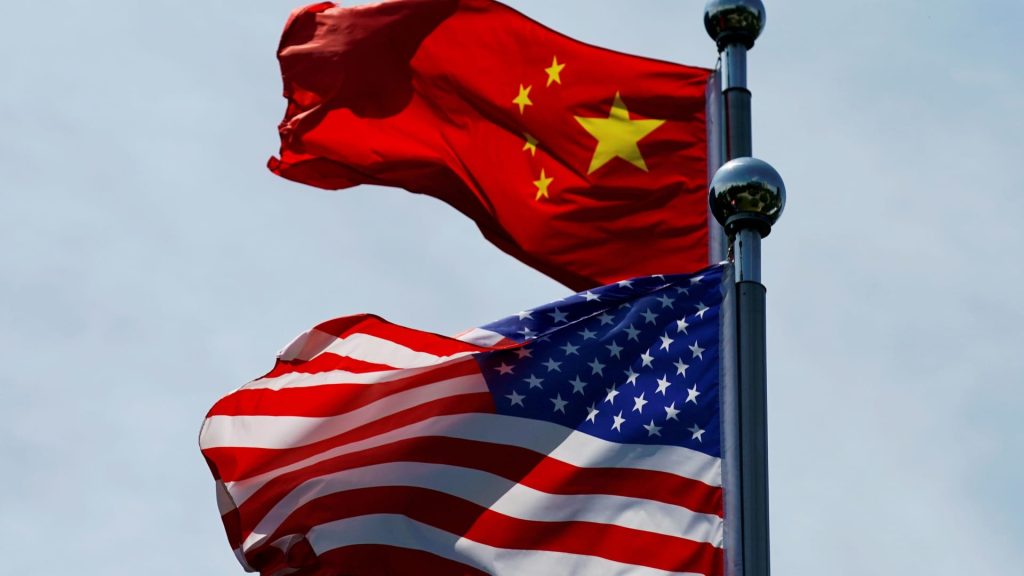
In a historic state dinner featuring significant attendees from both the U.S. and China, relations between the two nations were highlighted during a meeting between President Donald Trump and President Xi Jinping. The dinner served not only to strengthen diplomatic ties but also showcased the interconnectedness of U.S. businesses with Chinese officials. With over 100 distinguished guests, including notable figures from technology and finance, the event signifies a pivotal moment in U.S.-China relations.
| Article Subheadings |
|---|
| 1) Overview of the State Dinner |
| 2) Key Attendees and Their Significance |
| 3) Menu Highlights and Cultural Elements |
| 4) The Impact of the Event on U.S.-China Relations |
| 5) Future Directions in U.S.-China Diplomacy |
Overview of the State Dinner
The state dinner, held at the White House on a Thursday, welcomed a diverse group of over 100 attendees, including government officials and business leaders from both the United States and China. It was a formal event aimed at enhancing diplomatic relations and fostering economic partnerships. This significant occasion is particularly noteworthy as it marks President Xi Jinping‘s first state visit to the U.S. in over ten years since the administration of former President Barack Obama.
During the dinner, President Donald Trump emphasized the importance of U.S.-China relations, stating that the talks have “added new substance” to this crucial relationship. In his toast, Xi expressed appreciation for the dialogue that has surfaced from their discussions, highlighting the potential for collaboration between the two nations. The dinner served as a platform for both leaders to underscore the importance of unity and shared goals amidst the complexities of international relations.
Key Attendees and Their Significance
The guest list at the state dinner included several high-profile figures from the tech and business sectors. Notable attendees such as Tim Cook of Apple and Jensen Huang from Nvidia represented major American technology companies. Their presence at the dinner illustrated the entwined interests of business and politics, showing the significance of technology in the ongoing U.S.-China discourse.
In addition to the U.S. delegates, President Xi’s entourage included numerous Chinese government officials who play crucial roles in the negotiations between the two powers. The gathering of such influential figures across various sectors signaled a commitment to moving forward on multiple fronts, including trade, technology cooperation, and investment opportunities.
The inclusion of family members from both delegations further highlighted the personal connections between these political leaders and their counterparts, suggesting that these relationships transcend mere diplomacy.
Menu Highlights and Cultural Elements
A reflection of the cultural exchange between the two nations was prominent in the carefully curated menu for the evening, featuring dishes that blended American and Chinese cuisines. The meal began with a silky yellow squash velouté topped with crispy pancetta, showcasing a fusion of textures and flavors. This was followed by sesame-crusted sea bass served over braised baby bok choy, a dish that elegantly tied in elements from Chinese culinary traditions.
For dessert, guests enjoyed a fruit-shaped vanilla crèmeux accompanied by ice cream made with honey harvested from the White House garden. This choice not only illustrated a commitment to local produce but also served as a symbolic gesture of goodwill, connecting the new administration’s ethos with traditional values.
Overall, the thoughtfully designed menu served as a metaphor for the evening – an immersive experience combining the distinct flavors of two different cultures, fostering conversation and understanding between the attendees.
The Impact of the Event on U.S.-China Relations
The state dinner appeared to be a strategic move not just to reinforce ties but to address ongoing tensions between the U.S. and China, particularly in trade and technology sectors. Officials from both countries acknowledged that while challenges persist, such diplomatic gatherings are vital to navigating these complexities. The representation of major corporations highlighted the role of economic interdependence in moderating potential conflicts.
Leaders recognized the need for mutual cooperation in areas like trade agreements, climate change initiatives, and public health responses to enhance bilateral relations. As President Trump and President Xi engaged in dialogue during the dinner, they mobilized optimism for a constructive path forward, emphasizing that cooperation is essential for both nations’ prosperity.
Future Directions in U.S.-China Diplomacy
Looking forward, the outcomes of the state dinner may set the tone for future interactions between the U.S. and China. Analysts assert that the newly established rapport can lead to a framework for addressing critical issues such as climate policy, cybersecurity, and trade imbalances. Furthermore, as both countries navigate a rapidly changing global landscape, it is crucial for leaders to sustain dialogue and engagement on all fronts.
The combination of diplomatic dinners and formal negotiations provides a crucial setting for leaders to strategize and align their priorities. In that regard, this state dinner can be seen as a stepping stone towards a more coherent and mature relationship between the two global superpowers.
| No. | Key Points |
|---|---|
| 1 | The state dinner symbolizes a new era in U.S.-China relations with substantive talks between the leaders. |
| 2 | Attendance included high-profile business leaders from notable American companies, emphasizing economic ties. |
| 3 | The culturally fused menu represented the collaboration and intercultural appreciation between the two nations. |
| 4 | The dinner provides a platform for addressing ongoing tensions, particularly in trade and technology alliances. |
| 5 | The event sets a positive tone for future U.S.-China interactions and highlights the importance of sustained dialogue. |
Summary
The state dinner attended by prominent officials and business leaders from both the U.S. and China represents a crucial turning point in the diplomatic relations between the two nations. Through meaningful dialogue, cultural exchange, and the sharing of common interests, both leaders are poised to improve cooperative efforts going forward. This event signifies the potential for positive interactions that could lead to resolving long-standing issues and establishing a more collaborative future.
Frequently Asked Questions
Question: What was the significance of the state dinner?
The state dinner aimed to strengthen U.S.-China relations, showcasing a commitment to dialogue and collaboration between the two nations amidst ongoing tensions.
Question: Who were some notable attendees at the dinner?
Key attendees included technology leaders such as Tim Cook from Apple and Jensen Huang from Nvidia, along with various U.S. and Chinese government officials.
Question: What role does the menu play in diplomatic events?
The menu reflects cultural elements and symbolizes the blending of traditions, serving as an icebreaker that enhances the dining experience and fosters conversation between attendees.