
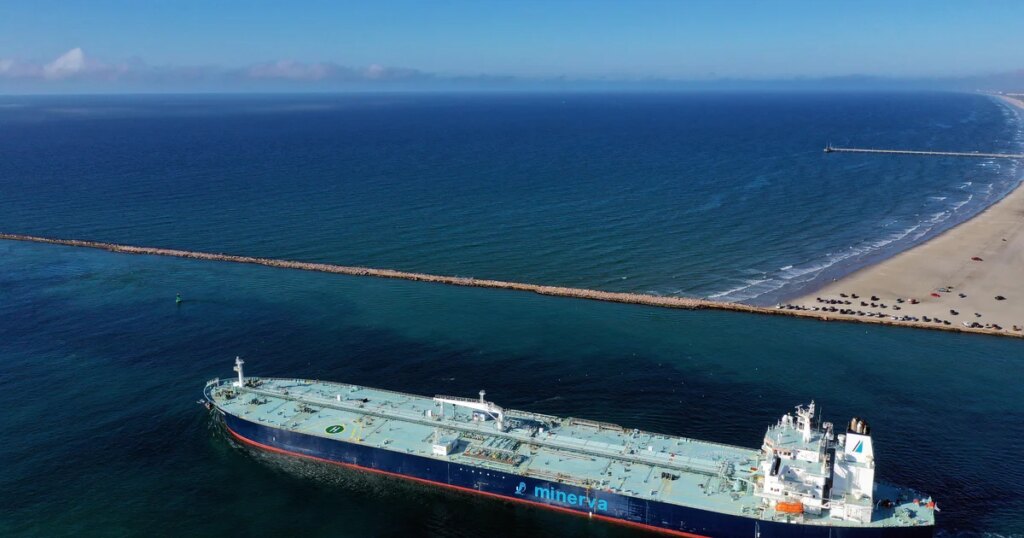
Last month, Coast Guard personnel and FBI agents took prompt action to intercept a commercial oil tanker heading towards Texas after identifying a potential security breach in the ship’s network. This incident raises concerns about the vulnerability of maritime vessels to cyberattacks, particularly from state actors. Current investigations are ongoing to ascertain the extent of the breach and its implications for maritime security.
| Article Subheadings |
|---|
| 1) Overview of the Incident |
| 2) Details of the Cyber Breach |
| 3) Response by Authorities |
| 4) Implications for Maritime Security |
| 5) Ongoing Investigations and International Reactions |
Overview of the Incident
On August 21, personnel from the Coast Guard and FBI intercepted a foreign-flagged commercial oil tanker that was en route to a U.S. port in Texas. The measure was taken as a result of suspicions surrounding the vessel’s navigational and operational systems, indicating a possible compromise by a foreign actor. Although the specific ship’s identity was not disclosed initially, reports from Iranian media suggested that the vessel involved could be the VL Prosperity, a large crude oil carrier.
This incident highlights a growing concern within the shipping and security communities regarding the potential for cyberattacks on maritime infrastructure. The VL Prosperity was identified as a vessel capable of transporting approximately 2.3 million barrels of oil, raising questions about the repercussions had the alleged security breach escalated into a more serious incident.
The vessel was reportedly monitored as it crossed the Atlantic Ocean, with concerns escalating when it was observed departing from Egypt’s Sidi Kerir terminal towards the United States. Iranian state media reports have since alleged that the ship lost communications for an extended period, although U.S. authorities have confirmed no immediate threats to the integrity of the vessel or the safety of its crew.
Details of the Cyber Breach
The incident unfurled as unverified reports emerged indicating that the vessel suffered a potential cyber breach, with various news outlets noting that communications were lost for approximately 30 hours during its journey. The specific vulnerabilities involved were suggested to include critical systems responsible for propulsion, navigation, and cargo management, which could pose significant risks should they be exploited by malicious actors.
According to sources from Iranian media, attackers purportedly gained access to the engine control systems, manipulating engine cooling flow and increasing engine speed, potentially putting the vessel at risk. While Iranian state outlets proclaimed the incident as an indication of an escalating threat to American and commercial vessels, U.S. authorities have remained cautious, refraining from attributing the breach to a particular state actor.
The cybersecurity implications of such an incident cannot be overstated. Modern maritime operations increasingly depend on interconnected technologies, which means that the vessel’s operational technology (OT) and information technology (IT) are intertwined. This interconnectedness raises alarming questions about security preparedness and response strategies within the industry, especially as vessels operate on international waters where jurisdictions may complicate accountability.
Response by Authorities
In response to the situation, a specialized team comprising Coast Guard law enforcement and cybersecurity experts was deployed to board the tanker upon its approach to port. The team conducted an extensive examination of the ship’s networks and systems, working collaboratively with the crew and the company’s corporate leadership to eliminate any threats detected during the evaluation process.
Fortunately, authorities have reported no immediate sightings of operational disruptions, vessel instability, or environmental threats stemming from the breach. The Coast Guard’s preemptive actions appear to have mitigated what could have potentially escalated into a disastrous scenario.
While the response was swift, it underscored the ongoing vulnerabilities inherent in the supply chain and maritime transportation sector. As authorities continue their investigations, the incident raises awareness of the need for enhanced cyber defense mechanisms to protect critical infrastructure against future threats, particularly from hostile nation-states.
Implications for Maritime Security
The growing interconnectivity of maritime vessels and their increasing reliance on technology continue to pose challenges for security experts. The implications of this incident are profound, showing that attacks could extend beyond data breaches to involve potential hijacking of vessels, which may be turned into weapons against ports or other maritime interests.
This incident brings forth critical questions about the resiliency of the global maritime supply chain and the security measures in place to defend vessels from cyber threats. The nature of cybersecurity is evolving, necessitating adaptive measures to remain vigilant against increasingly sophisticated attacks. Authorities need to share intelligence and collaborate globally to combat the emerging threats observed in this arena.
Both the shipping industry and regulatory bodies may face pressure to enhance security protocols and invest in comprehensive cybersecurity training for crews and operational staff. The need for increased public awareness regarding these vulnerabilities is essential to fostering a culture of cybersecurity that extends throughout all stakeholders in maritime operations.
Ongoing Investigations and International Reactions
As investigations progress, authorities from the U.S. and other international partners are expected to evaluate the incident thoroughly. No definitive evidence has surfaced that ties the breach to specific actors or nation-states thus far. However, the incident did prompt discussions regarding the potential attribution of cyber threats, particularly as Iranian media amplified the narrative surrounding the breach.
At a broader level, militaries and maritime agencies around the world are assessing their naval operations and cybersecurity protocols in response to this event. As global tensions rise, the vulnerability of commercial vessels to cyberattacks underscores the necessity for coordinated strategies to enhance cybersecurity across all sectors that interact with the maritime domain.
With maritime trade factored into the global economy, safeguarding the integrity of waterways and port operations remains paramount. Diplomatic deliberations are anticipated, especially concerning international maritime law and cooperative frameworks for addressing cybersecurity threats that can impact multiple countries within interconnected economies.
| No. | Key Points |
|---|---|
| 1 | Coast Guard and FBI personnel intercepted an oil tanker due to potential cyber threats. |
| 2 | The breach reportedly involved manipulation of vital operational systems of the vessel. |
| 3 | No environmental or operational disruptions were reported following the intervention. |
| 4 | The incident raises significant implications for maritime cybersecurity protocols. |
| 5 | Ongoing international investigations aim to ascertain the origins of the cyber breach. |
Summary
The interception of the oil tanker by Coast Guard and FBI personnel has brought to light the critical vulnerabilities present within maritime operations in the face of cyber threats. As investigations continue to unfold, the maritime community must remain vigilant and proactive in adopting measures to secure vessels and prevent cyber intrusions. The implications of such incidents extend beyond immediate safety, calling for comprehensive strategies that encompass international cooperation and resilient infrastructure improvements.
Frequently Asked Questions
Question: What was the main reason for the Coast Guard’s intervention with the tanker?
The intervention occurred due to suspicions that the tanker’s navigational and operational systems were compromised by a foreign actor, leading authorities to ensure the safety of the vessel and its crew.
Question: What were the claims made by Iranian media regarding the tanker incident?
Iranian media reported that the tanker lost active communications for an extended period, alleging that the attackers compromised essential systems, which could pose risks to the vessel’s operation.
Question: How does the incident affect maritime cybersecurity?
The incident underscores the growing need for increased cybersecurity measures to protect maritime vessels against cyber threats, raising awareness of the vulnerabilities in interconnected maritime technology systems.