
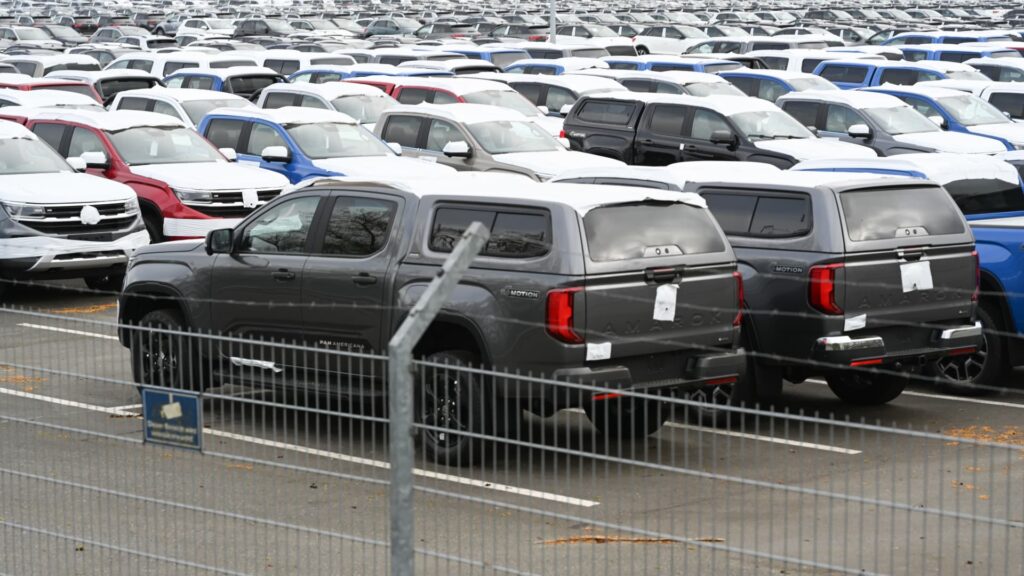
European car manufacturers are standing at a critical junction as potential regulatory changes on CO₂ emissions collide with heightened competition from China. Horst Schneider, who leads automotive equity research at a major financial institution, projects a challenging yet opportunistic landscape for the automotive sector in 2026. With signs hinting at a significant reevaluation of how internal combustion engine vehicles might be treated in the future, companies like Ferrari could emerge as key players in navigating this tumultuous environment. Experts note that while the sector generally sees a dip in performance mid-year, a rebound could signify positive outcomes as the automotive industry aligns itself with regulatory expectations and market demands.
| Article Subheadings |
|---|
| 1) Regulatory Landscape Shifting |
| 2) Ferrari’s Strategic Plans |
| 3) Competition from China |
| 4) Valuations in the Automotive Sector |
| 5) Future Predictions for the Market |
Regulatory Landscape Shifting
As the European Commission mulls over the possibility of rolling back strict CO₂ emissions regulations that limit the sale of internal combustion engine (ICE) vehicles by 2035, the implications for carmakers are profound. This proposed shift marks a significant departure from earlier strategies aimed at forcing a swift transition to electric vehicles (EVs). The regulation change could relieve pressure on automakers who have struggled to meet increasingly stringent emissions targets. Experts like Horst Schneider assess that easing these regulations may contribute to improving profit margins and positioning manufacturers to venture back into ICE projects over the coming decade.
Ferrari’s Strategic Plans
Among the automakers positioned to benefit from these regulatory changes is Ferrari, which has been characterized as a markedly cautious entity in the market. As highlighted by Schneider, Ferrari is set to launch its first electric vehicle in October, carefully balancing innovation with careful financial strategies. This cautious approach might suggest that the brand is preparing for a potential regulatory pivot while also focusing on bolstering its luxury image amid shifting consumer preferences. The luxury sports car manufacturer remains a strong investment favorite, particularly as its stock has recently become more favorable due to internal company adjustments and market conditions.
Competition from China
The backdrop of fierce competition from China adds another layer of complexity to the situation. Chinese automakers have significantly ramped up their production capabilities and are increasingly capturing market share through more affordable EV options. In this context, European carmakers must navigate not only regulatory shifts but also the influx of cost-effective alternatives from international competitors. The implications of this competition could lead traditional manufacturers to reassess their portfolios, potentially risking market share as they adapt to new consumer desires for budget-friendly electric vehicles without compromising on quality.
Valuations in the Automotive Sector
Valuations within the automotive sector present an interesting paradox exemplified by Schneider’s remarks. Despite the upcoming transformative landscape, many automotive companies such as Volkswagen and Renault are trading at relatively low price-to-earnings ratios, indicative of a broader concern about the long-term growth prospects for these entities. The low valuations place these companies under significant scrutiny from investors, as the easing of CO₂ regulations might serve not only to stabilize their market positions but also to improve investor sentiment. These factors signal a shift where automotive stock valuations may begin to rise, pending a favorable regulatory environment.
Future Predictions for the Market
Looking ahead, market analysts forecast a challenging yet potentially rewarding landscape for car manufacturers. The overall performance of the automotive sector is expected to follow a cyclical pattern, with strong performance typically seen in the first quarter, a mid-year lull, and an end-of-year resurgence. Schneider suggests investors may see stocks begin to appreciate as long-term outlooks improve with possible regulatory easing. He estimates the automotive sector’s earnings potential could improve, transitioning from a historically negative growth expectation to more favorable scenarios as companies adapt and thrive in the emerging market landscape.
| No. | Key Points |
|---|---|
| 1 | The European Commission is considering changes to CO₂ emissions regulations, potentially easing restrictions on ICE vehicles. |
| 2 | Ferrari is poised to launch its first electric vehicle, balancing innovation with cautious financial strategies. |
| 3 | Chinese automakers pose a competitive threat to European manufacturers with their affordable EV options. |
| 4 | Valuations for traditional automotive companies remain low but may improve amid potential regulatory easing. |
| 5 | Future projections suggest a cyclical pattern for the automotive sector, with potential growth on the horizon as regulations change. |
Summary
In summary, the European automotive industry stands on the verge of considerable transformation driven by regulatory changes concerning CO₂ emissions. With players like Ferrari preparing strategically for a dynamic market landscape and a rise in competition from Chinese manufacturers, adapting to these developments will be crucial. As companies navigate these challenges, investor sentiment and market valuations will remain pivotal in determining the sector’s future viability.
Frequently Asked Questions
Question: What changes are being considered for CO₂ emissions regulations?
The European Commission is contemplating rolling back stringent measures that would restrict the sale of internal combustion engine vehicles by 2035, potentially easing some pressures on car manufacturers.
Question: Why is Ferrari considered a strong investment?
Ferrari is viewed positively due to its cautious financial strategy, upcoming electric vehicle launch, and recent stock performance, which indicates a favorable risk-reward ratio.
Question: How does competition from Chinese automakers affect European car manufacturers?
Chinese automakers provide lower-priced electric vehicle options, increasing competition and compelling European manufacturers to reevaluate their product offerings and pricing strategies to maintain market share.