
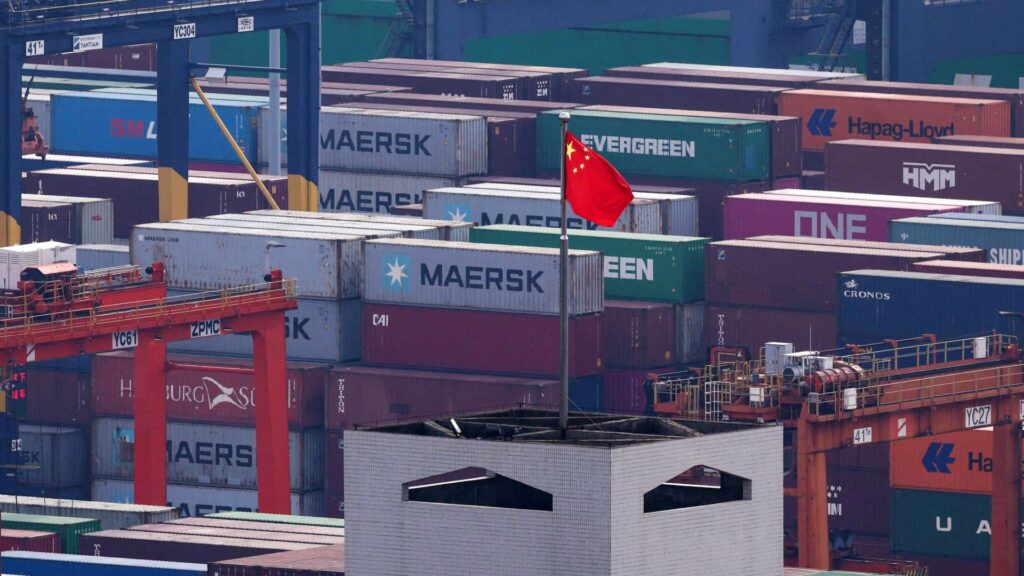
In a significant development ahead of high-level trade discussions, China’s commerce ministry has issued a stern warning to the European Union (EU), asserting that it will take decisive action if the EU enacts restrictions on Chinese businesses or goods. The ministry emphasized that such measures could severely disrupt ongoing negotiations and erode mutual trust. This warning comes amid efforts as the EU aims to address its mounting trade deficit with China.
| Article Subheadings |
|---|
| 1) Warning from China’s Commerce Ministry |
| 2) Trade Talks Between the EU and China |
| 3) Possible Trade Restrictions Ahead |
| 4) The EU’s Trade Deficit with China |
| 5) Implications for Global Trade |
Warning from China’s Commerce Ministry
In a statement released late Tuesday, China’s commerce ministry warned the European Union that it would “respond firmly” if the EU proceeds with any restrictions affecting Chinese businesses or products. This warning signals a potential escalation in tensions as the EU prepares for high-level talks scheduled for next week in Beijing. The ministry underscored that such actions would not only seriously undermine mutual trust between the two trading partners but would also disrupt ongoing negotiations that are critical to both parties.
The timing of the statement reflects growing concerns from China, which has observed the EU’s recent discussions regarding possible trade limitations. Officials within the ministry expressed that these considerations reflect a lack of commitment to nurturing a cooperative relationship, especially as talks are already underway to enhance trade relations.
Trade Talks Between the EU and China
Trade negotiations between China and the EU have taken center stage this summer, as both entities seek to address the challenges presented by a significant trade deficit. The EU aims to turn around its record deficit by October, with specific strategies being discussed to open markets further and enhance mutual trade opportunities. During this period, Maroš Šefčovič, the EU Trade Commissioner, reiterated the need for “concrete results” from China ahead of the October deadline, warning that failure to deliver could lead to tougher measures being introduced against Chinese goods.
In next week’s meeting in Beijing, officials are expected to address outstanding issues, including regulatory barriers and tariffs that have historically hampered trade between the two parties. The discussions will likely delve into the broader implications of ensuring a balanced approach that benefits both the EU and China, pivotal players in the global economy.
Possible Trade Restrictions Ahead
Earlier in the week, there were reports indicating that European leaders might consider implementing measures aimed at excluding China from the EU market. According to sources, Germany and France are collaborating to finalize a document advocating for expedited development of a legal framework that could allow the EU to impose market exclusion measures against China swiftly. One official described this initiative as providing Brussels with the power to cut China off from the European market within a short time frame—specifically, within 24 hours.
These proposed measures have drawn comparisons to the U.S. Section 301 tariffs, which have been utilized in various trade disputes involving China. The reactions from China’s commerce ministry to these considerations suggest a heightened awareness of the geopolitical climate surrounding trade negotiations and the potential impact of unilateral actions taken by the EU.
The EU’s Trade Deficit with China
The EU is facing a historic trade deficit with China, which represents the largest deficit globally at this moment, even surpassing that of the United States. This situation has prompted European leaders to intensify efforts aimed at curbing the trade gap. In 2020, the Association of Southeast Asian Nations (ASEAN) overtook the EU as China’s largest trading partner, highlighting shifting dynamics in global trade relationships.
According to data from China Customs, trade figures indicate that when including services, the EU retained its status as China’s top trading partner, reflecting a combined trade volume of approximately 880 billion euros (nearly $1 trillion) last year. These statistics underline the significance of the EU-China economic relationship and the stakes involved in the ongoing discussions.
Implications for Global Trade
The current interactions between the EU and China pose broader implications for global trade. The trade landscape is increasingly influenced by geopolitical power dynamics, and any escalation in tensions could lead to significant disruptions not only for the parties involved but for international markets at large. Additionally, a comprehensive move to restrict trade with China could set a precedent that could amplify trade tensions globally, prompting other nations to re-evaluate their own trade agreements and policies.
As the EU contemplates substantial shifts in its trade strategy towards China, the consequences of these actions will likely be felt worldwide. Many countries that have deep economic ties with both the EU and China could find themselves caught in the middle of a complex situation, navigating competing interests and diplomatic challenges.
| No. | Key Points |
|---|---|
| 1 | China warns EU against imposing trade restrictions ahead of talks. |
| 2 | EU seeks to resolve its trade deficit with China before October. |
| 3 | Possibility of EU measures to rapidly exclude China from its market. |
| 4 | The trade deficit with China is the largest in the world. |
| 5 | Global trade dynamics are at risk of significant disruption. |
Summary
The ongoing discourse surrounding trade relations between China and the European Union reflects critical issues of trust and economic policy. With high-stakes negotiations on the horizon, both parties must navigate a precarious landscape that could reshape the future of their economic relationship. The repercussions of these discussions extend beyond bilateral trade, posing potential ramifications for the global economy.
Frequently Asked Questions
Question: What prompted China to issue a warning to the EU?
China issued a warning to the EU amidst concerns regarding potential trade restrictions that could seriously disrupt ongoing negotiations and undermine mutual trust between the two entities.
Question: What is the current status of the EU’s trade deficit with China?
The EU is experiencing its largest trade deficit with China, which has recently surpassed that of the United States and is prompting discussions to address the imbalance.
Question: What potential actions is the EU considering regarding trade with China?
The EU is considering measures that may enable it to rapidly restrict trading relations with China, potentially allowing for market exclusion within 24 hours, mirroring similar actions taken by the U.S. in past trade disputes.