
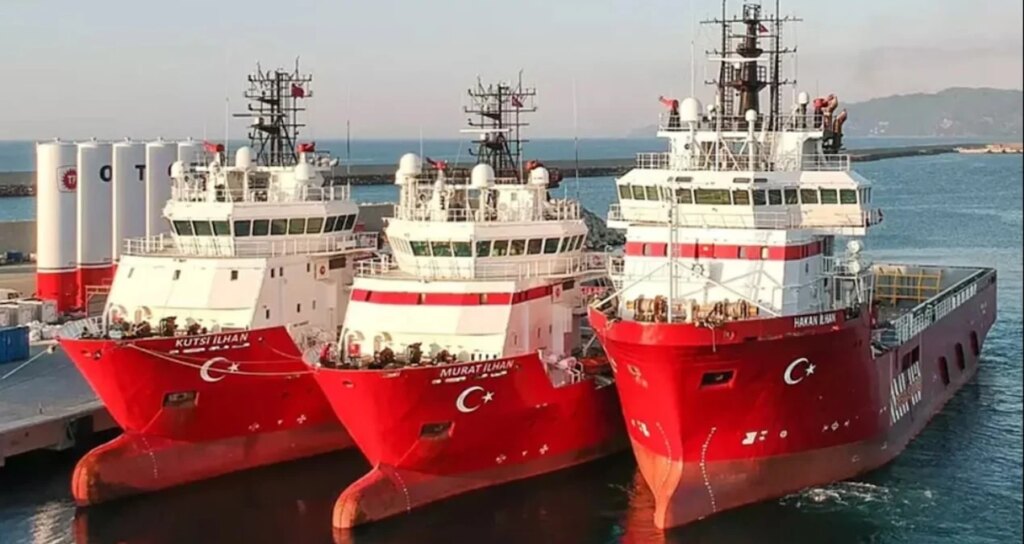
The exploration for oil and natural gas in the Eastern Mediterranean is gaining momentum as Türkiye reinforces its commitment to its exclusive economic zone. A newly acquired seventh-generation drilling vessel from South Korea is set to begin these activities, marking a significant development in the region. Alongside this, a fleet of support ships, named after individuals connected to a poignant historical incident, is prepared to assist in the exploratory efforts, emphasizing the emotional resonance of this undertaking for the nation.
| Article Subheadings |
|---|
| 1) Strategic Importance of the Eastern Mediterranean |
| 2) The Acquisition of the Drilling Ship |
| 3) Historical Significance of the Support Ships |
| 4) Political Reactions and Support |
| 5) The Narrative Behind the Naval Strategy |
Strategic Importance of the Eastern Mediterranean
The Eastern Mediterranean has long been a focal point of geopolitical interest and conflict, with numerous nations vying for control over its rich resources. Oil and natural gas reserves located beneath the seabed have the potential to significantly bolster national economies and enhance energy security. Türkiye’s involvement in this area reflects not only a desire for economic advantage but also a quest for sovereignty over its maritime borders. This situation has been further complicated by the presence of other regional players, including Greece and Southern Cyprus, who have also laid claim to portions of the same maritime space. The recent steps taken by Türkiye signal a renewed urgency to assert its interests in this highly contested region.
The Acquisition of the Drilling Ship
The recent procurement of a seventh-generation drilling ship from South Korea marks a milestone in Türkiye’s energy exploration efforts. The ship boasts a drilling capacity of up to 12,000 meters, making it one of the most advanced vessels currently in operation. Preparations for its deployment are underway, with a fleet of four supporting vessels designed to assist in its operations. Collectively, this offshore infrastructure is set to enhance Türkiye’s capabilities in conducting extensive exploratory drilling in its designated economic zones. The initiative is expected to not only explore potential reserves but also to reinforce Türkiye’s assertion of its maritime rights in the face of opposition from neighboring countries.
Historical Significance of the Support Ships
The support ships accompanying the drilling vessel carry names steeped in historical and emotional significance. Named after the victims of a notorious incident during the Cyprus conflict in 1963, these vessels serve as a reminder of the past. On December 24 of that year, Medical Major Nihat İlhan’s family was tragically murdered in their home, an event that has been etched into the collective memory of the Turkish people. The naming of the vessels honors the memory of these individuals, representing a poignant blend of remembrance and national pride. Prof. Dr. Necmi İlhan, the elder brother of the victims, expressed pride in this commemoration, underscoring the importance of keeping their memory alive as Türkiye embarks on this new venture into the depths of the Eastern Mediterranean.
Political Reactions and Support
The political landscape surrounding Türkiye’s actions in the Eastern Mediterranean is vibrant and fraught with contention. Members of the İYİ Party, such as Erhan Usta, have been vocal about the necessity of increased naval activity in the region. They argue that despite having a fleet available, many vessels remain inactive, stationed in the Black Sea rather than where they are needed most. The call to action reflects a desire for assertive measures that would allow Türkiye to further explore and claim its rights in the area. The potential deployment of naval forces has sparked debates among political factions and citizens alike, reflecting the diverse perspectives on how Türkiye should navigate its responsibilities and opportunities in the Eastern Mediterranean.
The Narrative Behind the Naval Strategy
The strategy behind Türkiye’s naval expansion in the Eastern Mediterranean is influenced by both economic and emotional imperatives. On one hand, the country aims to tap into significant oil and natural gas reserves that could enhance its energy independence and economic standing. On the other hand, the historical weight of events like the 1963 massacre serves as a powerful narrative, compelling officials and citizens to rally behind the maritime initiatives. The combination of these factors creates a complex tapestry where national interest and historical memory converge, driving a more vigorous approach to Türkiye’s maritime activities. In this context, the newly acquired drilling ship and the support vessels are not simply tools for exploration; they are symbols of resilience and national pride in facing regional challenges.
| No. | Key Points |
|---|---|
| 1 | Türkiye has initiated oil and natural gas exploration in the Eastern Mediterranean. |
| 2 | The seventh-generation drilling ship possesses advanced capabilities for deep-sea drilling. |
| 3 | Support ships name commemorates victims of a significant historical tragedy. |
| 4 | Political voices are calling for increased naval presence in the Eastern Mediterranean. |
| 5 | Strategy blends economic objectives with historical narratives of memory and resilience. |
Summary
The advancements in Türkiye’s oil and natural gas exploration reflect a significant shift in the geopolitical landscape of the Eastern Mediterranean. With the acquisition of a specialized drilling vessel accompanied by a fleet of support ships, Türkiye is not only positioning itself to tap into valuable resources but also invoking historical memories that resonate deeply with the national identity. The ongoing discussions about naval strategy and resource exploration highlight the intricate balance between national pride and the pressing realities of geopolitical contention. The developments in this region will likely continue to impact energy dynamics and international relations in the coming years.
Frequently Asked Questions
Question: Why is the Eastern Mediterranean significant for Türkiye?
The Eastern Mediterranean is rich in oil and natural gas reserves, making it crucial for Türkiye’s energy security and economic growth.
Question: What is the purpose of the newly acquired drilling ship?
The drilling ship is intended to enhance Türkiye’s exploratory capabilities in its exclusive economic zone.
Question: What historical event is commemorated through the support ships’ names?
The support ships are named after victims of a tragic incident during the Cyprus conflict in 1963, honoring their memory and the sacrifice made.