
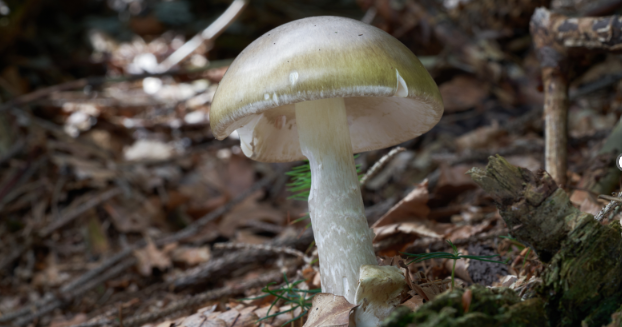
An urgent advisory has been issued by the California Department of Public Health (CDPH) warning against the consumption of foraged mushrooms after several cases of amatoxin poisonings were reported. As of Friday, a total of 21 poisonings have been confirmed, including one fatality, linked to wild mushrooms, specifically the notorious death cap species. The advisory highlights the risks associated with foraging and emphasizes the critical need for public awareness regarding this serious health threat.
| Article Subheadings |
|---|
| 1) Understanding the Risks of Mushroom Foraging |
| 2) Recent Poisoning Cases in California |
| 3) Symptoms and Treatment of Amatoxin Poisoning |
| 4) The Importance of Awareness and Prevention |
| 5) Buying Mushrooms Safely |
Understanding the Risks of Mushroom Foraging
Foraging for wild mushrooms may seem like an enjoyable outdoor activity, but it carries significant risks. Many species of mushrooms can be easily misidentified, leading to severe health consequences. The death cap mushroom, scientifically known as Amanita phalloides, poses the most significant danger as it can be confused with safe-to-eat varieties. These mushrooms typically thrive in proximity to oak and other hardwood trees, making them a common threat in wooded regions throughout California.
The environmental conditions in California during the fall and winter months, characterized by rainfall and cooler temperatures, create a perfect habitat for mushroom growth. This seasonal cycle increases the chances of encountering poisonous mushrooms, especially for those untrained in identifying safe from toxic species. As the CDPH emphasizes, even experienced foragers can mistakenly harvest death caps, underscoring the need for public caution.
Recent Poisoning Cases in California
The alarming rise in mushroom poisonings has led to urgent calls for public awareness and safety precautions. The CDPH reported that there had been 21 confirmed cases of poisonings linked to foraged mushrooms, with one tragic death among the affected individuals. Notably, these cases have emerged in clusters across the Monterey area and the Bay Area, indicating that the issue may be concentrated in specific locales.
Officials are particularly concerned about the groups that have been affected, which include both children and adults. The severity of the poisonings has varied, but some cases have resulted in severe liver damage. In fact, at least one of the patients affected might require a liver transplant, which highlights the potential life-threatening implications of consuming toxic mushrooms.
Symptoms and Treatment of Amatoxin Poisoning
Recognizing the symptoms of amatoxin poisoning is critical for timely intervention. Symptoms initially present as gastrointestinal distress, including watery diarrhea, nausea, vomiting, abdominal pain, and dehydration. These symptoms can manifest as early as six hours to 24 hours post-consumption. However, the CDPH warns that there may be a deceptive period of apparent recovery. Patients might assume they are feeling better, only for severe liver damage to set in between 48 to 96 hours after ingestion.
The treatment for such poisonings is complex and requires immediate medical attention. Supportive care is essential, and patients may need interventions such as intravenous fluids, activated charcoal, or even a liver transplant in critical cases. Given the potentially lethal nature of these toxins, timely medical response is crucial to improving outcomes for affected individuals.
The Importance of Awareness and Prevention
Public health officials stress the importance of raising awareness about the dangers of foraging for wild mushrooms. Dr. Erica Pan, the CDPH Director and State Public Health Officer, has strongly advised the public against mushroom foraging in California, especially during this high-risk season. “Because the death cap can easily be mistaken for edible safe mushrooms,” Dr. Pan cautioned, “we advise the public not to forage for wild mushrooms.” This advisory indicates the seriousness of the situation and the need for individuals to take responsibility for their safety.
Education plays a central role in prevention efforts. The CDPH continues to disseminate information about the risks associated with mushroom foraging, highlighting the need for accurate identification skills among foragers. Public awareness campaigns aim to inform the community about the specifics of poisonous mushrooms and the health risks associated with dangerous species like the death cap.
Buying Mushrooms Safely
Due to the heightened risks associated with foraged mushrooms, the CDPH strongly recommends purchasing mushrooms from reputable and established sources. Supermarkets and trusted vendors who provide commercially grown mushrooms are considered safe options, as they undergo rigorous safety inspections and regulations. This consumer approach serves as a practical measure to circumvent potential poisonings while enjoying mushroom-related culinary experiences.
Furthermore, consumers are encouraged to become familiar with the characteristics of safe edible mushrooms and to verify the sources of their purchases. If anyone is uncertain about the safety of a mushroom variety, consulting with a knowledgeable expert or local mycological society can serve as an invaluable resource.
| No. | Key Points |
|---|---|
| 1 | An urgent advisory has been issued against foraging mushrooms due to poisonings associated with death cap mushrooms. |
| 2 | Twenty-one poisonings have been reported, including one fatality, with severe liver damage noted in several cases. |
| 3 | Symptoms of poisoning can manifest hours after consumption, with the possibility of a deceptive recovery. |
| 4 | Public health officials strongly advise against foraging mushrooms, emphasizing the importance of awareness and education. |
| 5 | Buying mushrooms from reputable sources is advisable to avoid toxic varieties. |
Summary
The advisory issued by the California Department of Public Health serves as a critical reminder of the dangers associated with foraging for wild mushrooms. The rise in poisonings, particularly from death cap mushrooms, underscores the need for increased public awareness and education. As various health risks continue to emerge, experts urge individuals to prioritize safety by purchasing commercially available mushrooms and avoiding foraging altogether.
Frequently Asked Questions
Question: What are the symptoms of amatoxin poisoning?
Symptoms of amatoxin poisoning can include watery diarrhea, nausea, vomiting, abdominal pain, and dehydration. These symptoms may begin between six to 24 hours after consuming a toxic mushroom.
Question: Why are death cap mushrooms particularly dangerous?
Death cap mushrooms are especially hazardous because they can be easily mistaken for safe edible mushrooms. They contain deadly toxins that can lead to severe liver damage or death.
Question: How can I ensure the mushrooms I buy are safe?
To ensure safety, consumers should purchase mushrooms from reputable grocery stores or vendors who provide commercially grown mushrooms, which are subject to health regulations and inspections.