
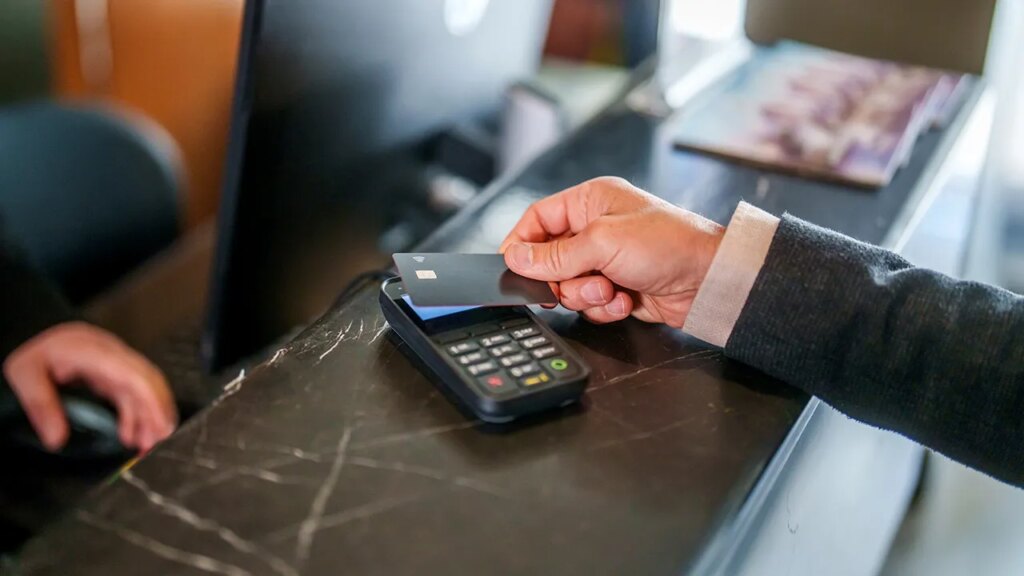
As technology advances, so do the tactics used by criminals looking to exploit unsuspecting victims, particularly in the realm of contactless payments. An alarming new trend has emerged in the realm of scams: fraudsters are utilizing tap-to-pay devices to greatly inflate small donations into significantly larger charges without the donors realizing it. Experts urge consumers to remain vigilant, especially when approached by solicitors in public spaces requesting monetary contributions for causes that may be legitimate but can easily be corrupted by scammers. This article outlines how these schemes operate, the steps victims can take to protect themselves, and the measures to follow if you find yourself a victim of such fraud.
| Article Subheadings |
|---|
| 1) Understanding the Tap-to-Pay Charity Scam |
| 2) The Mechanics of the Scam |
| 3) Preventive Measures for Consumers |
| 4) What to Do If You Fall Victim |
| 5) The Importance of Ongoing Awareness |
Understanding the Tap-to-Pay Charity Scam
The tap-to-pay charity scam has emerged as a significant concern for consumers, particularly those using mobile wallets for donations. Scammers use this technology to trick unsuspecting individuals into authorizing larger transactions than they intended. The typical scenario unfolds in places like shopping areas, public events, or outside retail outlets, where solicitors approach potential donors with requests for small donations, often for seemingly noble causes. However, while their charisma may entice generosity, the ultimate goal for these fraudsters is to capitalize on unobservant donors.
Research shows that this method has been particularly effective due to the impulsive nature of contactless payments, which sees consumers tapping their phones or cards without verifying the transaction amount. Officials have raised alarms about reports of victims erroneously approving donations that resulted in unauthorized charges amounting to thousands of dollars. Beyond the financial impact, the emotional toll on victims who thought they were contributing to a worthwhile cause can be profound.
The Mechanics of the Scam
The operational mechanics of the tap-to-pay charity scam involve manipulation at the point of donation. In one common variant, a scammer may enter a larger sum into the payment terminal before the donor taps their phone or card, leading them to believe they are authorizing a modest donation of $10 or $20, when in reality, they are authorizing transactions ranging from hundreds to even thousands of dollars.
For instance, reports from authorities have highlighted cases where a donor agreed to contribute merely $15 but later found themselves charged nearly $5,000. This alarming trend has gained enough traction that state officials, such as those from Washington, are compelled to issue urgent warnings about these fraudulent activities, urging individuals to remain cautious when approached by solicitors. The scam’s effectiveness heavily relies on the element of distraction, where individuals tend to trust the solicitors’ legitimacy without probing deeper into the situation.
Preventive Measures for Consumers
To mitigate the risks associated with tap-to-pay charity scams, consumers need to adopt several defensive strategies. First and foremost, individuals should maintain control of their possessions, particularly their mobile devices.
“Never hand a stranger your unlocked phone,”
warns security experts, emphasizing the importance of personal security when engaging in any financial transaction. If someone claims a transaction has failed and requests to handle your device, it is critical to end the engagement immediately.
Moreover, developing a habit of verifying donation amounts before completing any tap-to-pay transaction is vital. It may seem tedious, but taking that extra moment to check the amount displayed can prevent significant financial loss. Consumers should also remain wary of high-pressure donation tactics; legitimate causes will still be there later, so it’s essential to avoid making hurried decisions under stress.
Lastly, setting up alerts for bank transactions can provide an additional layer of security by notifying individuals of any suspicious account activity on their financial transactions, allowing them to react promptly if something seems off.
What to Do If You Fall Victim
If you find yourself a victim of a tap-to-pay scam, swift action is essential. The immediate first step is to contact your bank or credit card issuer to report the fraudulent transaction. Establishing a timeline and giving details about the donation can aid in reversing the charge or disputing it altogether. Logging into your banking app and locking the affected card can also help secure your account while the situation is being addressed.
Beyond contacting your banking institution, gathering evidence is also paramount. Take screenshots of the transaction, noting the time, location, and the name of the merchant involved. Such detailed records can assist law enforcement and financial institutions in their investigations. Furthermore, thoroughly reviewing all financial accounts linked to your device is important to catch any additional unauthorized activity quickly.
Changing passwords for sensitive accounts is imperative, particularly if your phone was accessed by a stranger. Cracking down on security measures can also prove valuable: Implementing multifactor authentication and ensuring accounts have robust passwords can aid in protecting sensitive information from future scams.
The Importance of Ongoing Awareness
Ultimately, maintaining awareness is crucial in combating these scams. Education about potential fraud tactics, especially those that employ technology in unexpectedly deceptive ways, is key to mitigating risks. Regularly updating one’s knowledge on new security features within mobile payment apps can also empower users to utilize the technology safely.
As consumers continue to rely on tap-to-pay and digital wallets for convenience, it is essential to balance that comfort with a healthy sense of skepticism toward unsolicited monetary requests. Encouraging friends, family, and particularly vulnerable populations, such as seniors, to familiarize themselves with these scams can serve as another line of defense against sophisticated fraud attempts.
| No. | Key Points |
|---|---|
| 1 | Tap-to-pay charity scams involve fraudsters inflating donation amounts during transactions. |
| 2 | Scammers often operate in busy public areas, approaching potential victims with requests for small donations. |
| 3 | Preventive measures include maintaining control of your phone and verifying transaction amounts before tapping. |
| 4 | If a scam is suspected, contact your bank immediately and gather evidence to support your claim. |
| 5 | Awareness and education on ongoing fraud tactics are essential in protecting against future scams. |
Summary
As mobile payment technology continues to evolve, so too do the methods of those who seek to exploit it for nefarious purposes. The tap-to-pay charity scam serves as a compelling reminder for consumers to remain vigilant and educated about how these frauds operate. By adopting preventive measures, swiftly addressing any unauthorized transactions, and promoting awareness among community members, individuals can help defend against the growing trend of payment scams. Vigilance and caution are paramount to ensuring that charitable intentions do not become a gateway for fraud.
Frequently Asked Questions
Question: How can I identify a legitimate charity before making a donation?
It’s advisable to research the organization independently by looking for registration information and reviews. Avoid relying solely on materials provided by the solicitor.
Question: What steps should I take if I accidentally authorized a large transaction?
Contact your bank or credit card issuer immediately, gather evidence of the transaction, and examine all your financial accounts for further unauthorized activities.
Question: Are mobile payment systems safe to use?
While tap-to-pay systems are generally secure, the responsibility lies with the user to verify amounts before authorization to avoid scams.