
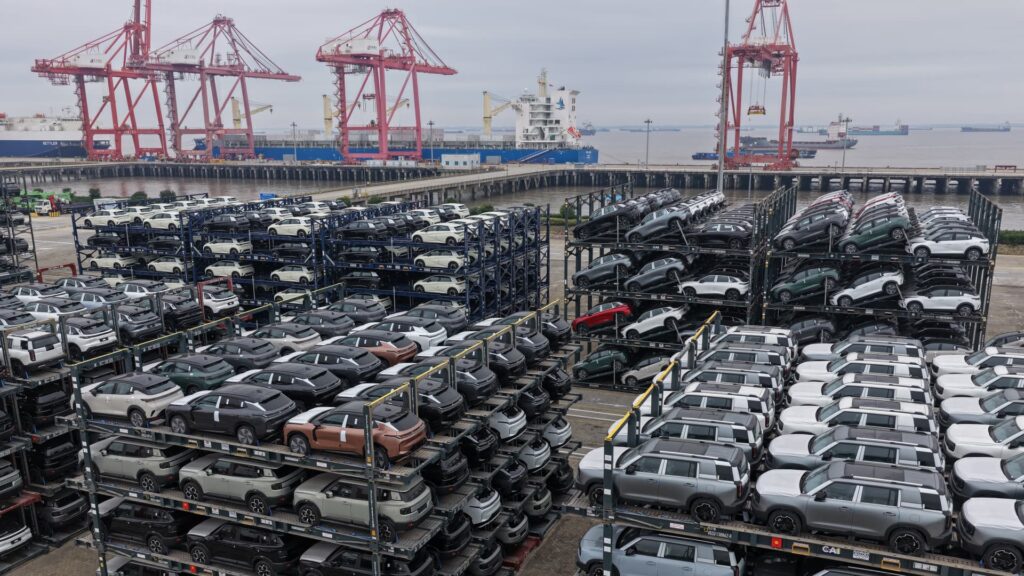
China has witnessed a remarkable surge in its export activities, with a reported 36.3% growth in September 2026 compared to the same month last year, marking the fastest increase since February. Imports also experienced a significant rise of 31%, as demand for various goods continued to boost the trade landscape. The data, which surpassed initial estimates, underscores a strong external sector performance, even as domestic demand remains uncertain.
| Article Subheadings |
|---|
| 1) Surge in Exports and Imports |
| 2) Strong Trade Surplus with the United States |
| 3) Factors Influencing Export Growth |
| 4) Trade Developments Amid Global Scrutiny |
| 5) Future Implications for China’s Economy |
Surge in Exports and Imports
In September, China’s exports rose by an impressive 36.3%, the fastest growth rate recorded since February of this year. This remarkable increase is reflective of both a recovering global economy and a burgeoning demand for Chinese goods, driven largely by international markets. Imports experienced a noteworthy boost as well, climbing by 31%—the highest rate seen since June. Analysts had previously predicted more modest growth, estimating a 25.5% rise in exports and a 24.5% increase in imports. The recent data signifies not only a return to robust trade levels but highlights China’s integral role in global supply chains.
Strong Trade Surplus with the United States
One of the most significant aspects of this trade performance is China’s escalating export numbers to the United States, which surged nearly 39.6% in September alone. This growth outpaced overall export increases, contributing to a monthly trade surplus that reached $133.5 billion—marking the highest level since January 2025. Such developments indicate a stabilizing relationship between the two economic powers, with ongoing trade discussions potentially enhancing mutual benefits and reducing tariffs. The implications of this trade surplus not only signal a strong external demand for Chinese products but also serve as a boost to economic confidence amidst concerns regarding domestic consumption.
Factors Influencing Export Growth
Several factors appear to be propelling China’s export growth to remarkable levels. Key among them is the rising demand for high-tech products, particularly integrated circuits, which saw a staggering 136% increase in export value. This demand has been largely driven by the technological sector, specifically the need for components in data centers that support artificial intelligence applications. Additionally, with tensions easing between China and the U.S., businesses are increasingly optimistic about future trade prospects, adding further momentum to export activities. Moreover, increased production capabilities and improved logistics are helping to ensure that supply meets the burgeoning global demand.
Trade Developments Amid Global Scrutiny
The competitive and regulatory landscape surrounding China’s export activities has drawn significant scrutiny on a global scale, particularly in light of concerns about trade imbalances and economic practices. In recent months, both the U.S. and China have engaged in discussions aimed at reducing tariffs on goods valued at approximately $30 billion from each side. Furthermore, the European Union has negotiated with China to halve its exports of hybrid vehicles, striving for a more balanced trade relationship. These developments reflect growing recognition of the needs and reservations of trading partners while addressing some of the complexities inherent in bilateral trade relationships.
Future Implications for China’s Economy
As both domestic and international markets evolve, the implications for China’s economy are profound. While the current data showcases impressive export and import growth, it also raises vital questions about the sustainability of this growth trajectory. Analysts fear that with domestic economic concerns lingering, particularly regarding consumer spending, the continued reliance on export-driven growth may not be viable in the long term. As China navigates this intricate trade landscape, it must balance robust export performances with an emphasis on nurturing domestic consumption. Furthermore, the upcoming political and economic landscape will play a crucial role in shaping future trading relationships, particularly with major partners like the U.S. and the EU.
| No. | Key Points |
|---|---|
| 1 | China’s exports grew by 36.3% in September, with imports climbing by 31%. |
| 2 | The trade surplus with the U.S. reached $133.5 billion, the highest since January 2025. |
| 3 | Demand for integrated circuits and technological products boosted exports significantly. |
| 4 | Ongoing trade negotiations seek to reduce tariffs and improve trade relations. |
| 5 | Questions remain about the sustainability of export-driven growth against domestic economic concerns. |
Summary
The data reflecting China’s export and import growth in September reveals significant advancements in trade dynamics amidst an evolving global landscape. While the notable surge affirms China’s critical role in international supply, ongoing challenges related to domestic demand require careful monitoring. As the country liberates its trade policies and engages in diplomatic discussions with major partners, the intricate balance between fostering export-driven growth and addressing domestic consumption will be crucial for long-term economic stability.
Frequently Asked Questions
Question: How have China’s exports performed in recent months?
China’s exports grew significantly, with a 36.3% increase reported in September 2026, marking the fastest growth since February of the same year.
Question: What factors contributed to the increase in exports?
The rise in demand for technological products, especially integrated circuits for data centers supporting artificial intelligence, has been a key driver of export growth.
Question: What are the implications of the trade surplus with the U.S.?
The trade surplus of $133.5 billion indicates strong external demand for Chinese goods and signifies a potential stabilization of trade relations between the U.S. and China.