
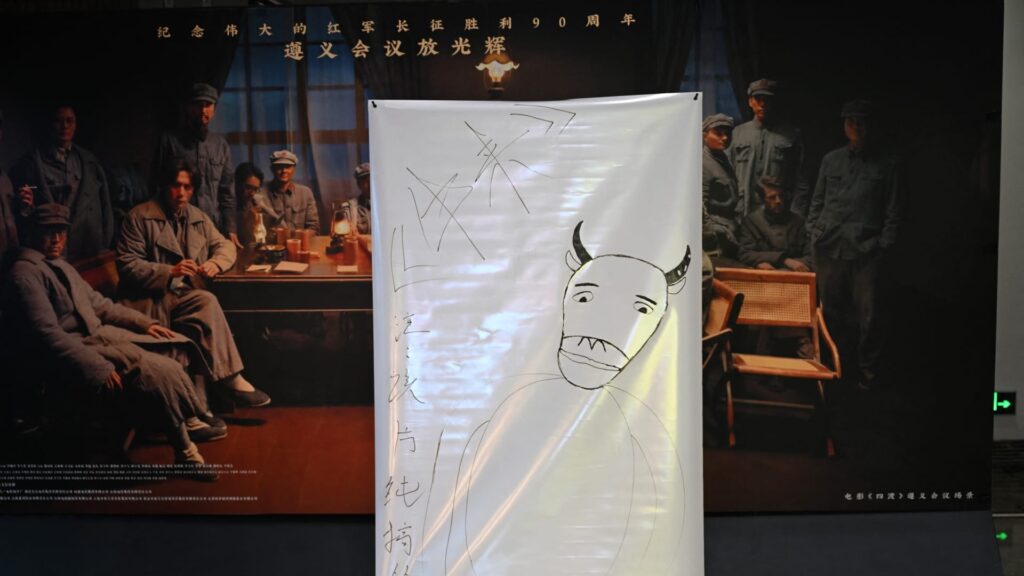
The landscape of entertainment in China is undergoing a significant transformation as the popularity of short drama films rises. In particular, the low-budget animated film “Niu Lai,” translates to “Here Comes the Cow,” showcases the unique dynamics of modern Chinese cinema, where viewers flock to experience its deliberately crude visuals. The rapid growth of artificial intelligence (AI) in film production and shifting viewer preferences are influencing a trend that enables producers to experiment with content more freely, thereby reshaping how stories are told and marketed in the industry.
| Article Subheadings |
|---|
| 1) The Rise of Short Dramas in China |
| 2) The Impact of AI on Production Costs |
| 3) The Phenomenon of ‘Niu Lai’ |
| 4) Competing for Viewer Attention |
| 5) Future of Traditional vs. Short Drama Formats |
The Rise of Short Dramas in China
In recent years, short drama films have become increasingly popular in China, driven by changing audience consumption patterns and the need for quick entertainment. These films often feature vertical titles, designed for mobile viewing, and are particularly appealing to viewers who prefer brief yet captivating narratives over longer cinematic experiences. With technology enabling greater production capabilities, Chinese producers are exploiting this trend by rapidly developing content that tests market demands with limited financial risks.
Producers can introduce various short-drama titles and gauge audience reactions before launching full-scale marketing and distribution campaigns. This method, often referred to as a “fail-fast” approach, enables a quick pivot to more promising projects while minimizing losses associated with content that does not resonate with viewers. According to experts, this trend is fueled by the inherent risks associated with traditional production methodologies, where budgets are often significantly higher and tied to longer project timelines.
The Impact of AI on Production Costs
Generative AI has played a pivotal role in the transformation of the Chinese entertainment industry by dramatically reducing production times and costs for short dramas. Estimates from the China Netcasting Services Association indicate a staggering 128,000 short dramas were released in the first quarter of 2026, with a notable 95% being generated by AI technology. This surge reflects a broader trend within the industry as companies leverage AI to streamline everything from script generation to post-production processes.
According to market analysts, the microdrama and manju market in China is projected to reach a value of about 100 billion yuan (approximately $15 billion) by 2025. This shift not only surpasses traditional long-form video content but also highlights the ever-evolving viewer preferences that have redefined the entertainment landscape. As the cost of producing a standard short drama can be kept relatively low, the risk-return dynamic becomes much more favorable for production houses willing to experiment.
The Phenomenon of ‘Niu Lai’
Among the myriad of short dramas released this year, “Niu Lai” has captured significant public interest due to its unconventional approach to animation. Despite initial criticisms about its crude visuals and lackluster storyline, the film grossed 45.5 million yuan (around $6.76 million) within just three weeks of release, an impressive financial outcome for a film created with a budget of only about $200. Surprisingly, its sales accelerated after viewers became curious to see how “bad” it really was.
“The initial reception was poor, but audience curiosity turned into a sort of viral marketing,” noted a film analyst. Many flocked to theaters just to witness the infamous shorts, illustrating that even negative word-of-mouth can paradoxically serve as a marketing tool. The entire chain of events raises questions about the nature of success in modern entertainment, particularly regarding whether a film has to be ‘good’ to achieve profitability. This case provides insights into both the fickle nature of viewer preferences and the unpredictable dynamics of the entertainment industry.
Competing for Viewer Attention
As various platforms and producers strive for viewer loyalty, competition within the short drama niche has intensified. With digital content vying for time—viewers increasingly feel as though they have a finite amount of attention to share—advertising strategies have shifted to include aggressive user acquisition techniques. Reports suggest that short-drama campaigns were paying an average of 2.3 times the Mintegral Android benchmark per app install in a landscape where active advertisers and creative strategies doubled.
“Paid acquisition strategies are becoming crucial,” said a market expert. The industry is experiencing what can be described as a race for viewers, with little organic discovery available amid the overwhelming volume of content. Even as short dramas thrive, it’s essential to recognize that attracting the right audience can incur substantial costs that could offset any initial savings related to the film’s production.
Future of Traditional vs. Short Drama Formats
While short dramas have certainly made their mark on the entertainment landscape, experts are divided concerning their potential impact on traditional formats. On one hand, short dramas offer viewers easy access to content that provides immediate satisfaction without requiring a significant commitment. On the other hand, the enduring popularity of major cinematic releases and high-caliber television shows signals consumer support for quality storytelling and production value.
Some industry analysts highlight that platforms like Netflix present a unique challenge to the standard entertainment model because of their ability to blend superior content offerings with effective marketing, retention strategies, and global reach. Despite the rise of mobile-centric short dramas, they may not necessarily serve as direct substitutes for traditional entertainment formats, and their mainstream success is unlikely to fully displace longer narratives.
| No. | Key Points |
|---|---|
| 1 | Short drama films are gaining popularity due to evolving viewer preferences in China. |
| 2 | AI technology is significantly reducing the costs and time associated with film production. |
| 3 | The film “Niu Lai” exemplifies how even poorly received content can find commercial success. |
| 4 | Competition for audience engagement amongst content platforms is intensifying. |
| 5 | The rise of short dramas does not necessarily threaten traditional entertainment formats. |
Summary
The emergence of short drama films in China represents a fundamental shift in the entertainment industry, driven by technological advancements and changing consumer patterns. As platforms experiment with content using AI and minimal investments, stories like “Niu Lai” illustrate that unconventional narratives can still capture significant audience interest. However, as competition heats up, the future of short dramas remains uncertain as they vie for viewers’ finite attention against traditional film and television formats, which continue to hold strong appeal for many audiences.
Frequently Asked Questions
Question: What are short dramas?
Short dramas are condensed film or video productions designed for quick consumption, often formatted for viewing on mobile devices.
Question: How has AI impacted film production in China?
AI has considerably reduced both the time and cost associated with producing new titles, allowing for an extensive rise in the number of short dramas being released.
Question: What factors contribute to the commercial success of films like ‘Niu Lai’?
Success can stem from a combination of viewer curiosity, viral word-of-mouth, and calculated marketing strategies, even if the initial reception of the film is poor.