
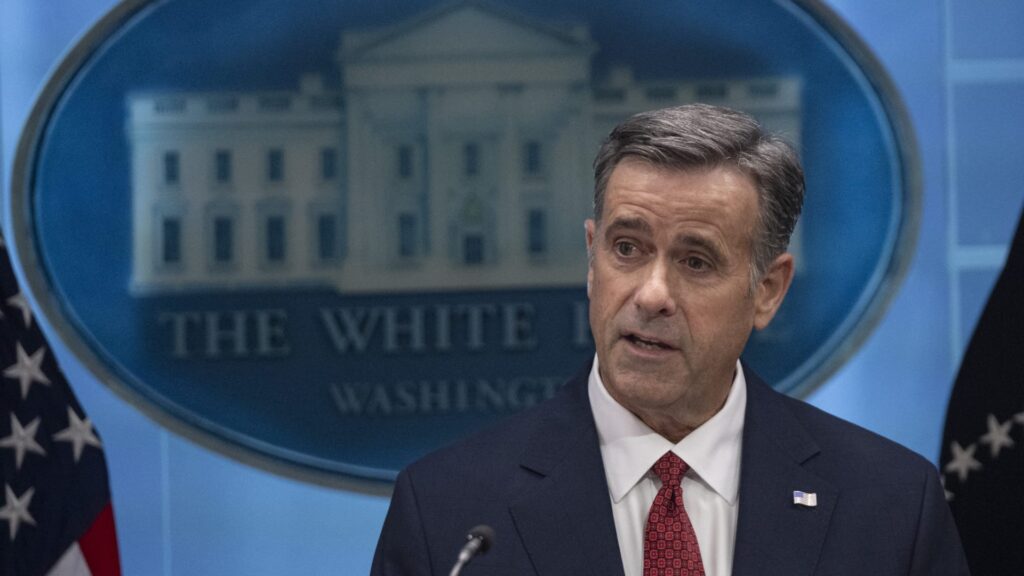
In a significant diplomatic move, U.S. CIA Director John Ratcliffe made an unexpected visit to Moscow this week, aimed at deterring Russian aggression against NATO. This visit comes amid escalating tensions due to the ongoing conflict in Ukraine and is reportedly focused not only on NATO but also on Iran, as Ratcliffe signaled potential sanctions aimed at the nation. The trip raises eyebrows, as it is less common for high-ranking American intelligence officials to negotiate directly with Russia, especially given the state of geopolitical relations.
| Article Subheadings |
|---|
| 1) Purpose of the Trip to Moscow |
| 2) Context of Rising Tensions in the Ukraine Conflict |
| 3) Reactions from U.S. Officials |
| 4) Significance of Communication with Russia |
| 5) Implications of the Visit for International Relations |
Purpose of the Trip to Moscow
The primary goal of John Ratcliffe‘s visit to Moscow was to convey a strong message to the Russian government regarding its actions towards NATO. As tensions have heightened surrounding the Ukraine conflict, Ratcliffe’s diplomatic mission was meant to express deep concern about the possibility of further military aggression. The timing of this trip, following an increase in hostile actions in the region, underscores the urgency felt by U.S. officials to address these issues directly.
Moreover, the CIA Director’s dialogue also revolved around Iran, where his discussions emphasized the strategic importance of the Strait of Hormuz. Ratcliffe reportedly warned of additional sanctions should Iranian shipping lanes remain obstructed. Such measures reflect the U.S. administration’s determination not only to safeguard NATO interests but also to counter Iran’s influence in the region. The dual purpose of the trip demonstrates the complex interplay of international relations where multiple geopolitical issues are often addressed simultaneously.
Context of Rising Tensions in the Ukraine Conflict
The backdrop to Ratcliffe’s trip is characterized by an intensifying conflict in Ukraine, where Russian military actions have escalated in recent weeks. Both drone and missile strikes by Russian forces have caused significant concern in Ukraine and throughout Europe, suggesting a potential shift towards a more dangerous phase in the ongoing war. The frequency and severity of these attacks have prompted international observers, including military analysts, to alert that the full-scale invasion risked a dramatic escalation in violence.
Ukrainian President Volodymyr Zelenskyy has voiced similar concerns, indicating that Russian President Vladimir Putin may be ready to further escalate the situation. Zelenskyy’s calls for more air defense support and increased sanctions against Russia signal his administration’s urgency in addressing the deteriorating security landscape. The timing of Ratcliffe’s visit underscores the U.S. commitment to standing alongside Ukraine while also putting diplomatic pressure on Russia.
Reactions from U.S. Officials
In the wake of Ratcliffe’s visit, U.S. President Donald Trump characterized the engagement with Russian intelligence officials as “semi-routine,” hinting at a potential openness to dialogue despite the tense circumstances. While discussing the trip with conservative talk show host Glenn Beck, Trump indicated that results may emerge from Ratcliffe’s actions, particularly in seeking an end to the ongoing hostilities in Ukraine.
Trump’s remarks reflect a broader strategy employed by his administration, targeting attempts to stabilize the situation and curb Russian aggressions. Meanwhile, Kremlin spokesperson Dmitry Peskov confirmed that Ratcliffe did not meet with Putin directly but acknowledged that discussions occurred through the intelligence services, underscoring the continued channels of communication between the two nations despite tensions.
Significance of Communication with Russia
The rare nature of Ratcliffe’s visit highlights the critical importance of maintaining communication channels, particularly at junctures of heightened suspicion and conflict. According to foreign policy analysts, including Katia Glod from the New Eurasian Strategies Centre, such interactions are invaluable for ensuring that lines of communication remain open and clear. Glod emphasized that as cyber and hybrid attacks against Europe increase, it’s imperative for the U.S. and its allies to prepare a unified front and engage in discussions with Russia to manage tensions meticulously.
Analysts believe that increased dialogue can not only avert further hostilities but also facilitate negotiated resolutions that could benefit regional stability. The visit underlines a pragmatic approach to resolving conflicts, demonstrating a willingness by U.S. officials to engage, despite the high stakes involved. This sentiment is echoed across various levels of diplomacy as nations continue to navigate a fraught global landscape.
Implications of the Visit for International Relations
Ratcliffe’s visit signifies a broader geopolitical dynamic that incorporates multiple state actors, such as Iran, and highlights the interdependent nature of international relations today. The implications of his discussions could reverberate beyond the immediate context of U.S.-Russia tensions and extend into the realm of broader global security concerns, particularly in the Middle East.
With nations like China, the United Arab Emirates, and Turkey sharing strong economic ties with Iran, the outcomes of this diplomatic engagement may influence their stances in the context of U.S.-Iran relations. Furthermore, the U.S. administration’s strategic moves, such as sanctions against Iran, may reshape alliances and partnerships globally, reaffirming the sentiment that the arena of international politics is multifaceted and evolving. This visit could, therefore, serve as a pivot point for not only U.S. and Russian relations but also for the international geopolitical landscape in general.
| No. | Key Points |
|---|---|
| 1 | CIA Director John Ratcliffe visited Moscow to deter Russian aggression against NATO. |
| 2 | The trip coincided with increasing tensions and military actions in the Ukraine conflict. |
| 3 | U.S. President Donald Trump deemed Ratcliffe’s discussions with Russian intelligence as promising. |
| 4 | Effective communication with Russia is deemed critical by analysts and officials amid ongoing conflicts. |
| 5 | The visit could have broader implications on U.S.-Iran relations and partnerships in the region. |
Summary
The unexpected trip by CIA Director John Ratcliffe to Moscow encapsulates the precarious state of international relations amid a tense backdrop of conflict and diplomacy. As officials navigate a complex landscape fraught with military escalations and territorial disputes, the importance of maintaining open lines of communication becomes increasingly evident. This visit not only aims to deter aggression against NATO but also seeks to address broader geopolitical issues involving nations like Iran, emphasizing the multi-dimensional nature of contemporary diplomacy.
Frequently Asked Questions
Question: What was the main purpose of Ratcliffe’s visit to Moscow?
The main purpose of Ratcliffe’s visit was to warn Russia against further aggression against NATO and discuss the situation regarding Iran, particularly concerning sanctions and the Strait of Hormuz.
Question: How has the Ukraine conflict influenced U.S. diplomatic strategies?
The ongoing Ukraine conflict has heightening tensions and led U.S. officials to pursue proactive diplomatic engagements like Ratcliffe’s visit, aiming to manage aggression and avert further escalation.
Question: What is the significance of communication between the U.S. and Russia?
Maintaining communication is crucial for managing tensions, preventing misunderstandings, and possibly leading to negotiations that could stabilize the situation in conflict areas like Ukraine.