
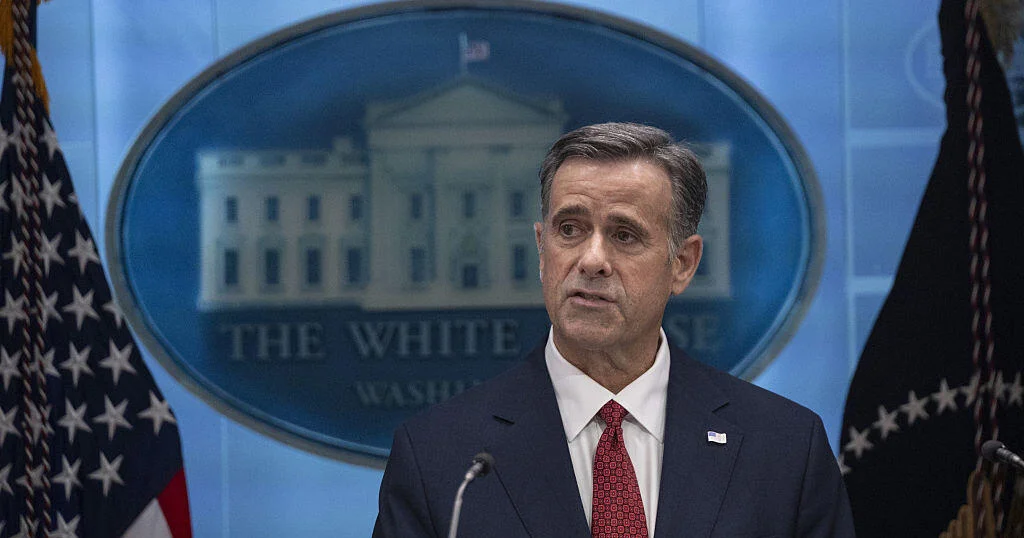
CIA Director John Ratcliffe recently undertook a significant visit to Moscow, primarily aimed at discouraging potential Russian aggression towards NATO member states. This clandestine trip, which was reported shortly after a U.S. Air Force jet arrived in Moscow, has raised questions about both Russia’s relationship with NATO and its ongoing partnership with Iran. Officials revealed that while Ratcliffe communicated directly with Russian intelligence officials, he did not meet with President Vladimir Putin, raising further inquiries into the purpose and implications of this visit.
| Article Subheadings |
|---|
| 1) Purpose of Ratcliffe’s Moscow Visit |
| 2) Warnings Regarding NATO and Russia |
| 3) Insights from U.S. Intelligence |
| 4) The Russia-Iran Partnership |
| 5) Implications for Global Relations |
Purpose of Ratcliffe’s Moscow Visit
The primary goal of John Ratcliffe‘s visit to Moscow was to deliver a stern warning to Russian officials regarding their potential military ambitions against NATO countries. According to various sources, this visit marks Ratcliffe’s first known trip to Russia in his capacity as the director of the CIA, and it was cloaked in secrecy until after his arrival. The discussions included pressing matters about Iran and its maritime operations, particularly the commitment of the U.S. to monitor the reopening of the Strait of Hormuz for shipping traffic. This visit occurred at a critical juncture, as U.S. assessments indicated that Russia might be plotting to test NATO’s resolve amidst ongoing tensions with Ukraine.
Officials identified that a U.S. delegation informed Ukraine about the visit, requesting that they refrain from launching any military operations while Ratcliffe was in Moscow. This aspect of the visit illustrates not only the complexity of international relations but also the current state of affairs in Ukraine, where military actions are continually scrutinized for their potential implications on broader geopolitical dynamics. The timing of Ratcliffe’s trip, therefore, reflects a carefully orchestrated diplomatic effort to convey U.S. priorities and affirm its commitments to NATO allies.
Warnings Regarding NATO and Russia
During his visit, Ratcliffe articulated significant warnings to Russian intelligence officials regarding the repercussions of any aggressive actions towards NATO member states. His message underscored the importance of NATO solidarity in the face of potential provocations from Russia. These provocations could manifest in various forms—ranging from cyberattacks to hybrid warfare tactics—designed to challenge not only NATO’s unity but also the political will of the Trump administration to safeguard its European allies. U.S. officials believe that these tactics are part of a broader Russian strategy to test the limits of NATO’s collective defense commitments, especially emphasized through Article 5 of the NATO Treaty, which mandates mutual defense among member states.
The Kremlin’s response was closely monitored, showcasing an inclination to maintain a tough exterior in the face of Western pressure. Although Dmitry Peskov, the Kremlin spokesperson, confirmed that Ratcliffe had consulted with intelligence personnel, the absence of a meeting with Putin suggests a possible level of disengagement or reluctance on Russia’s part to engage in high-level discussions with the U.S. This poses questions about the effectiveness of such diplomatic overtures and what they mean for the stability of NATO’s eastern flank.
Insights from U.S. Intelligence
Recent intelligence assessments from the U.S. have painted a concerning picture regarding potential actions by Russia. Officials have warned that President Vladimir Putin might authorize provocative measures that do not cross the threshold into full-scale military conflict. This assessment has intensified scrutiny on recent Russian movements, such as drone incursions into neighboring territories and missile activities that have sparked alarm in countries like Poland. The intelligence community is closely monitoring these developments, theorizing that Russia’s intent is to gauge NATO’s reaction and ultimately test the resolve of the U.S. and its allies.
The situation is exacerbated by Russia’s established history of ambiguous warfare, utilizing tactics that defy traditional military classifications, thereby complicating responses from NATO. These tactics have included cyber operations, disinformation campaigns, and hybrid warfare—actions that aim to create chaos without triggering direct military retaliation. As the U.S. continues its intelligence operations in the region, the revelations from Ratcliffe’s visit shine a light on urgent needs for a united front among NATO allies, highlighting vulnerabilities that Russia seeks to exploit.
The Russia-Iran Partnership
Compounding these geopolitical concerns is the ongoing partnership between Russia and Iran. This relationship has developed significantly against the backdrop of heightened tensions in the Middle East. Reports suggest that Russia has been providing critical intelligence to Iran regarding U.S. military positioning in the region, allowing Tehran to adapt its strategies effectively. Additionally, both nations have collaborated in the development and manufacturing of advanced drone technology, which poses further challenges for U.S. interests and allies in the area.
During his visit, Ratcliffe did not shy away from addressing the implications of this alliance, hinting at the potential for increased sanctions against Iran if they continue to obstruct the reopening of important maritime routes. The long-standing relationship between Russia and Iran showcases a growing axis between two nations increasingly isolated by Western policies, posing serious implications for international security. This partnership complicates the geopolitical landscape, where U.S. sanctions may have unintended consequences that embolden the alliance further.
Implications for Global Relations
The implications of Ratcliffe’s visit and the evolving dynamics between the U.S., Russia, NATO, and Iran extend far beyond immediate military alignments. Both the U.S. and NATO are faced with the challenge of recalibrating their approaches to counter heightened Russian aggressiveness while managing their own internal political narratives, particularly in light of past criticisms of NATO’s collective defense capabilities by President Trump. Such criticisms may lead to perceptions of disparity in commitment levels among NATO allies, thus jeopardizing the cohesion needed for a robust defense strategy.
As the situation develops, both military and diplomatic strategies will need to evolve in tandem to address multifaceted threats effectively. The risks associated with military miscalculations or inadvertent escalations are significant and would require an unprecedented level of coordination among NATO allies. Ultimately, Ratcliffe’s Moscow trip serves as a reminder of the delicate balance of power at play, and the need for swift and decisive action to fortify alliances as global tensions continue to mount.
| No. | Key Points |
|---|---|
| 1 | CIA Director John Ratcliffe visited Moscow to address NATO security concerns. |
| 2 | Warnings were issued to Russia regarding potential military provocations against NATO allies. |
| 3 | Recent U.S. intelligence highlights the risk of hybrid warfare tactics from Russia. |
| 4 | Russia maintains a strategic partnership with Iran amidst heightened tensions in the Middle East. |
| 5 | The evolving global landscape presents significant challenges for NATO and U.S. foreign policy. |
Summary
The recent trip to Moscow by CIA Director John Ratcliffe underscores escalating geopolitical tensions surrounding NATO and Russia. A combination of warnings about military provocation and an ongoing partnership with Iran speaks volumes about the current climate of international relations. As NATO grapples with internal solidarity in light of external threats, the need for cohesive and proactive strategies becomes ever more critical in addressing the complex dynamics at play on the global stage.
Frequently Asked Questions
Question: What was the main purpose of John Ratcliffe‘s visit to Moscow?
The primary purpose of John Ratcliffe‘s visit was to warn Russia against potential aggression toward NATO member states and discuss key concerns related to Iran.
Question: How has Russia shown intent to test NATO?
U.S. intelligence assessments indicate that Russia may engage in provocative actions, including cyberattacks and hybrid warfare tactics, that challenge NATO’s collective defensive posture.
Question: What does the partnership between Russia and Iran entail?
The partnership involves intelligence sharing regarding U.S. military positioning and collaboration on advanced drone technologies, which raises security concerns for U.S. interests in the Middle East.