
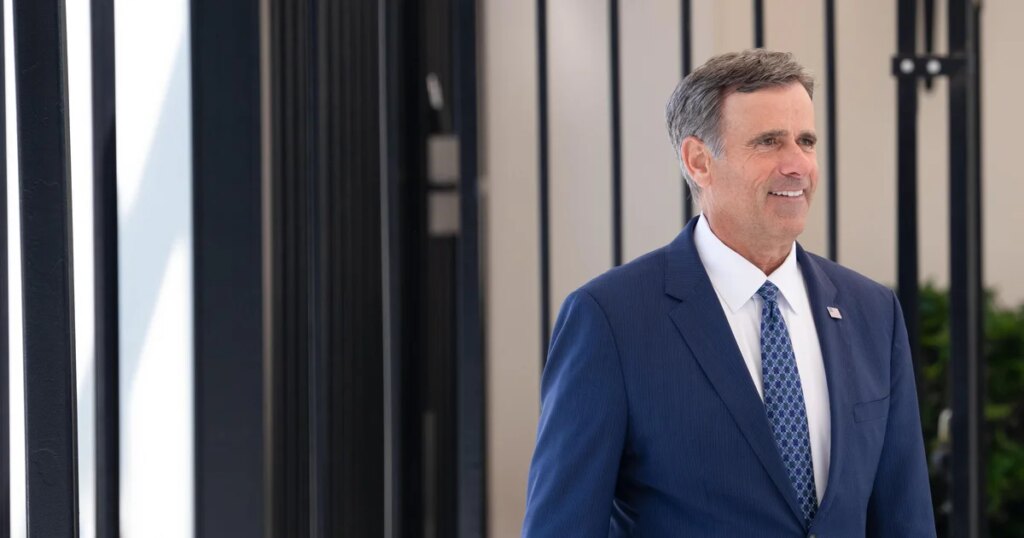
CIA Director John Ratcliffe recently embarked on a significant diplomatic mission to Moscow, Russia, as tensions between the U.S. and Russia continue to rise. This visit, characterized by speculation and strategic importance, follows the sighting of a U.S. military transport plane at a Moscow airport. While the exact purpose of Ratcliffe’s trip remains unclear, it comes at a time when U.S.-Russia relations are under scrutiny amid shifting geopolitical dynamics.
| Article Subheadings |
|---|
| 1) Overview of Ratcliffe’s Visit |
| 2) Strategic Context Behind the Trip |
| 3) Recent Intelligence Assessments |
| 4) Historical Background on U.S.-Russia Relations |
| 5) The Role of the CIA in Diplomatic Efforts |
Overview of Ratcliffe’s Visit
The trip by CIA Director John Ratcliffe marks his first known engagement in Russia since he took office, highlighting the importance of direct dialogue in U.S.-Russia relations. The U.S. Air Force C-17A Globemaster III transport plane’s presence at a Moscow airport, accompanied by a diplomatic motorcade, underscores the high-profile nature of Ratcliffe’s visit. However, both the U.S. and Russian governments have remained tight-lipped about the specifics, creating an air of speculation regarding the objectives of this meeting. Observers note that such visits often indicate a backdrop of sensitive negotiations or discussions, especially when considering the fraught state of international relations between these two powers.
Strategic Context Behind the Trip
The timing of Ratcliffe’s visit coincides with a request made to Ukraine for a temporary suspension of strikes against Russian positions, indicating the U.S.’s attempt to influence the situation on the ground. Sources reveal that a senior delegation from the U.S. is involved in high-stakes discussions, aiming to navigate the complex landscape of U.S.-Russia interactions. Given the ongoing conflict in Ukraine and heightened tensions surrounding NATO, the diplomatic overtures leading up to this visit reflect a landscape that is continuously evolving. The strategic rationale behind such visits by high-ranking officials typically revolves around de-escalating tensions and fostering dialogue in light of prior provocations and military posturing by both sides.
Recent Intelligence Assessments
Recent U.S. intelligence assessments suggest a potential shift in Russian President Vladimir Putin’s strategic calculations. Analysts have indicated that Putin may be more inclined to execute provocative actions against NATO allies, which could manifest through hybrid operations—actions that stop short of direct military confrontation. Such strategic choices could test the resolve and unity of NATO, prompting further scrutiny of U.S. foreign policy under the Trump administration. The implications of these assessments are significant as they shape the U.S.’s approach to not only military readiness but also diplomatic negotiations with Russia.
Historical Background on U.S.-Russia Relations
The historical context of U.S.-Russia relations underscores the complexities that frame Ratcliffe’s visit. Previous exchanges between U.S. officials and Russian leadership have often revolved around key issues such as nuclear disarmament, military engagements, and espionage. Notably, former CIA Director William Burns visited Moscow in November 2021 and highlighted the importance of warning Putin against aggression in Ukraine. This reflects a long-standing tradition of diplomatic channels being utilized to mitigate potential conflicts and encourage stability in the region.
The Role of the CIA in Diplomatic Efforts
The CIA has played a pivotal role in various diplomatic efforts aimed at U.S.-Russia relations, especially in regard to detainee swaps and peace negotiations. The agency has been instrumental in facilitating recent detainee exchanges, most notably involving the release of dual national Ksenia Karelina and Wall Street Journal reporter Evan Gershkovich. These incidents not only signify the intelligence agency’s operational capabilities but also point to an underlying current of negotiation that persists despite geopolitical tensions. Such activities illustrate the complex interplay between intelligence and diplomacy, particularly in the context of heightened global scrutiny regarding human rights and international law.
| No. | Key Points |
|---|---|
| 1 | CIA Director John Ratcliffe is on his first reported visit to Moscow amidst rising tensions. |
| 2 | U.S. has requested Ukraine to pause strikes, indicating potential diplomatic negotiations. |
| 3 | Recent intelligence suggests Putin may escalate actions against NATO. |
| 4 | Previous CIA negotiations have included significant detainee exchanges with Russia. |
| 5 | The historical context of U.S.-Russia relations impacts current diplomatic efforts. |
Summary
In conclusion, John Ratcliffe’s visit to Moscow emerges as a critical point in a long-standing and complex relationship with Russia. As the geopolitical landscape shifts, the implications of this diplomatic engagement could reverberate throughout international relations. The importance of open channels of communication and dialogue remains paramount as both nations grapple with their long-term strategies and immediate challenges in a volatile global environment.
Frequently Asked Questions
Question: What prompted CIA Director Ratcliffe’s visit to Moscow?
Ratcliffe’s visit appears to be driven by the need for direct negotiations amid rising tensions between the U.S. and Russia, particularly concerning military posturing and the ongoing conflict in Ukraine.
Question: How has the CIA been involved in U.S.-Russia relations?
The CIA has been instrumental in facilitating detainee exchanges and has played a role in intelligence assessments that influence diplomatic actions between the two countries.
Question: What is the significance of the recent intelligence assessments regarding Russia’s actions?
Recent intelligence suggests that Vladimir Putin may adopt a more aggressive stance towards NATO, raising concerns about potential hybrid operations and their implications for regional stability.