
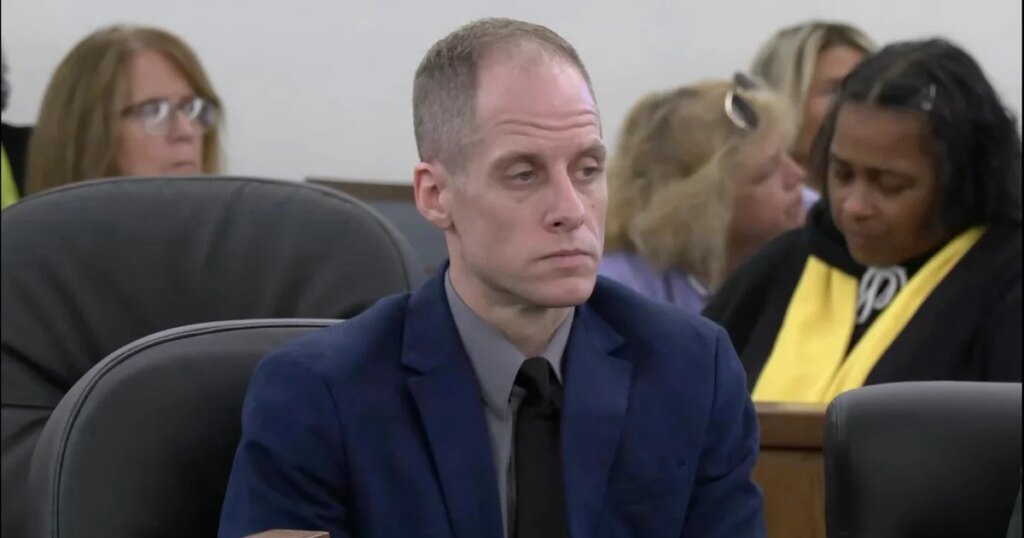
A former Ohio music pastor, Caleb Flynn, is facing trial for the murder of his wife, Ashley Flynn, while allegedly engaged in an extramarital affair. The charges stem from a tragic incident in February that resulted in Ashley’s death in their home in Tipp City. The trial, which has captivated public attention, features compelling witness testimony, including striking revelations about Flynn’s personal life and his alleged actions before and after the crime.
The prosecution argues that Flynn staged a home invasion and falsely claimed that an intruder shot his wife, while the defense maintains that there is insufficient evidence linking Flynn to the murder. With significant testimony about Flynn’s alleged affair and unsettling comments about his spouse, the courtroom has been a focal point of tension and drama as it nears its conclusion.
As the trial nears closing arguments, both the prosecution and defense have rested their cases, leading to a pivotal moment for the jury and the family involved. The trial raises important questions about evidence, relationships, and the influence of personal dynamics on criminal behavior.
| Article Subheadings |
|---|
| 1) Former pastor’s relationship turns tragic |
| 2) Testimony from the mistress |
| 3) Critical evidence presented |
| 4) Defense strategies and arguments |
| 5) Conclusion of the trial |
Former pastor’s relationship turns tragic
The trial centers around the tragic events that unfolded in February when Ashley Flynn was shot dead at her home in Tipp City, an area just north of Dayton, Ohio. Caleb Flynn, a former pastor known for his appearance on “American Idol,” has pleaded not guilty to charges of murder, assault, and tampering with evidence. The charges reflect the serious nature of the accusations, with prosecutors asserting that Flynn deliberately orchestrated a violent criminal act amid personal turmoil.
Flynn, aged 40, was reportedly at home with his two daughters at the time of the incident, heightening the emotional stakes for the family involved. The couple had been married for several years, during which Flynn often praised Ashley for her support of his musical aspirations. However, behind this façade of marital support lay turmoil, with Flynn allegedly engaging in an affair that would soon spiral into accusations of murder.
Testimony from the mistress
One of the most significant aspects of the trial has been the testimony of Alleigha Botner, a 24-year-old woman who engaged in an affair with Flynn. Botner’s testimony has been described as bombshell evidence, detailing a secret relationship that began in 2022 while she was interning at Flynn’s church. Over the duration of their year-long affair, Botner recounted conversations in which Flynn allegedly expressed a desire to leave Ashley and even expressed disturbing thoughts about her death.
During her emotional testimony, Botner revealed text messages exchanged between her and Flynn that implicated Flynn’s state of mind leading up to Ashley’s murder. Botner sobbed as she recounted Flynn’s chilling statements, claiming he said, “He told me that he hates her.” She recalled a text message where Flynn candidly discussed troubling thoughts about how to kill Ashley without ending up in jail, admitting, “I was up until 4 a.m. last night crying, literally trying to think of ways to kill her.” This testimony has undoubtedly contributed to the prosecution’s narrative of a calculated act stemming from Flynn’s tumultuous personal life.
Critical evidence presented
In addition to the bombshell revelations surrounding Flynn’s affair, critical evidence was presented that included a disturbing 911 call made by Flynn claiming that a burglar entered their home and shot Ashley multiple times. During the call, Flynn asserted that he did not know whether the intruder was still present, demonstrating a frantic response to the alleged home invasion.
Upon arrival, police found the garage door and side door open, as well as the center console of Flynn’s pickup truck. Notably, although Flynn claimed a gun was kept in the console, investigators found no weapon at the scene, which was crucial to establishing the timeline and understanding of events. The prosecution posited that Flynn attempted to mislead law enforcement by fabricating a story about an intruder to cover up his involvement in the incident.
The prosecution also showcased various text messages and AI-generated love songs that Flynn reportedly composed for Botner, further supporting claims about his mindset and emotional investment in the affair. These messages included lyrics that hinted at conflict and longing, ultimately painting a portrait of a man embroiled in both personal and legal chaos.
Defense strategies and arguments
As the trial progressed, Flynn’s defense team put forward arguments focused on the lack of concrete evidence linking Flynn to the murder. They highlighted the absence of gunshot residue on Flynn’s clothing and noted that none of his wife’s blood was found on him. The defense argued that the prosecution’s case relied heavily on circumstantial evidence rather than direct proof of guilt.
The defense also questioned the credibility of witness testimony, especially from Botner, who initially stated she did not believe Flynn had committed the murder. This shifting narrative raised doubts about her reliability as a witness. Furthermore, Flynn’s defense attorney emphasized to the jury that while Flynn’s affair was a matter of moral failing, it was not a crime in itself and did not constitute murder. As closing arguments approached, the defense seemed to maintain a focus on protecting Flynn’s character and contesting the notion that he was capable of lethal violence against his wife.
Conclusion of the trial
With testimony wrapping up and the prosecution and defense both resting their cases, the trial of Caleb Flynn is moving toward closing arguments. The defense chose not to call any witnesses, banking on the idea that the prosecution has not met the burden of proof necessary for conviction. The expected closing arguments are slated to set the stage for jury deliberations, where all the presented evidence and witness accounts will culminate in a crucial decision.
As the trial nears its end, it encapsulates not just a personal tragedy but also complex legal proceedings and social issues surrounding domestic violence, infidelity, and the meaning of evidence under scrutiny. The outcome will not only impact Flynn and his immediate family but also resonate throughout the community and beyond, as a cautionary tale about the consequences of personal choices.
| No. | Key Points |
|---|---|
| 1 | Flynn is on trial for the murder of his wife, Ashley, amidst claims of infidelity. |
| 2 | Testimony from a mistress revealed troubling conversations about Ashley’s death. |
| 3 | Key evidence includes Flynn’s 911 call and lack of a murder weapon found. |
| 4 | The defense argues insufficient evidence to tie Flynn directly to the crime. |
| 5 | Closing arguments set the stage for jury deliberations in a high-profile case. |
Summary
The trial of Caleb Flynn serves as a profound exploration of the intricacies surrounding personal relationships and their potential to spiral into tragedy. The narrative of a successful former pastor becoming embroiled in allegations of murder presents a complex interplay between human emotions and legal justice. As the jury prepares to deliberate, the implications of this case extend beyond the courtroom, raising critical questions about trust, betrayal, and the consequences of human actions.
Frequently Asked Questions
Question: What are the charges against Caleb Flynn?
Caleb Flynn faces charges of murder, assault, and tampering with evidence in connection to the shooting death of his wife, Ashley Flynn.
Question: Who is Alleigha Botner?
Alleigha Botner is a 24-year-old woman who testified during the trial about her affair with Caleb Flynn and provided damaging evidence regarding his feelings about his wife prior to the murder.
Question: What were the defense’s main arguments in the trial?
The defense argued that there was insufficient evidence linking Caleb Flynn directly to the murder, highlighting the lack of gunshot residue and the absence of blood on him at the time of the incident.