
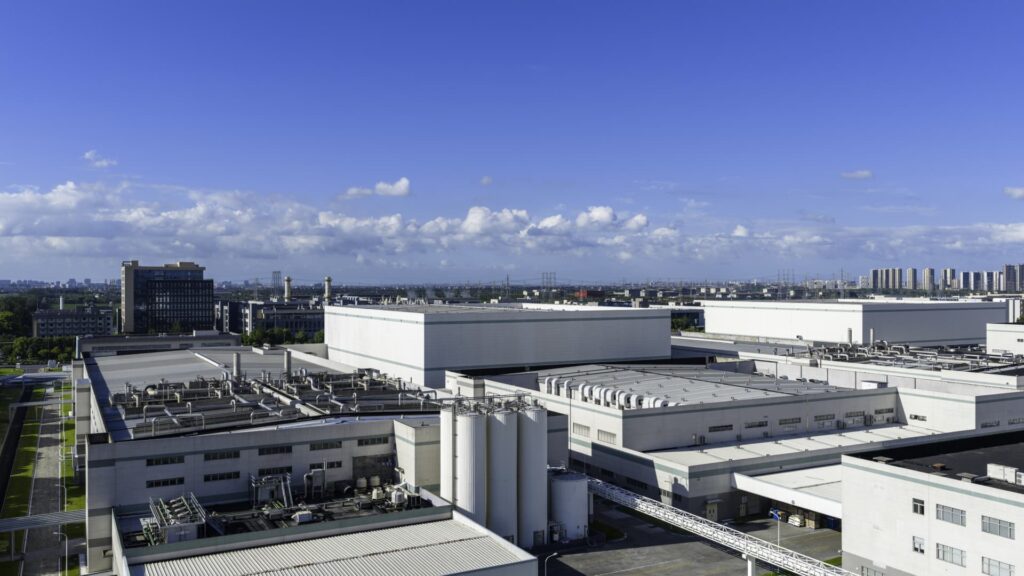
The commercial real estate market is experiencing a resurgence as investors capitalize on increased liquidity despite prevailing high borrowing rates. Recent data reveals that June saw a significant uptick in property bidding, marking the strongest monthly advancement in the past year. Notably, the number of unique bidders in July reached the second-highest count in five years, suggesting a robust competitive landscape among lenders following a period of uncertainty due to pandemic-related economic fluctuations.
| Article Subheadings |
|---|
| 1) Surge in Investor Interest Amid High Borrowing Rates |
| 2) Bidding Trends and Market Dynamics |
| 3) Sector-Specific Investment Insights |
| 4) Multifamily Sector Struggles with Over Supply |
| 5) Future Outlook for Commercial Real Estate |
Surge in Investor Interest Amid High Borrowing Rates
The commercial real estate (CRE) market is witnessing a significant influx of investors, driven by a marked increase in liquidity from various financial sources. This trend persists despite the challenges posed by persistently high borrowing rates. Recent data indicate that investors are becoming increasingly optimistic, taking a renewed interest in acquiring properties even while navigating the complexities of the current economic landscape.
Prominent figures in the industry, such as Lauro Ferroni, who leads capital markets research at JLL for the Americas, have noted that investor behavior is shifting. They are drawn not only to real estate’s intrinsic value but also to the potential for yielding returns that outperform other investment avenues in an uncertain financial environment. The influx is primarily attributed to new financing options becoming more widely available, contrasting with the early post-pandemic landscape where access to credit was significantly restricted.
Bidding Trends and Market Dynamics
June marked a pivotal month for property bidding, which experienced its most rapid growth in over a year. The uptick is reflected in quarterly bidding and credit indexes released by JLL, indicating that competition among lenders has surpassed previous record levels. The rise in bidders in July established a new benchmark, with the second highest number of unique bidders recorded within a five-year timeframe.
Ferroni’s analysis reveals an interesting correlation between the credit intensity index and bid intensity index. He posits that the availability of credit acts as a precursor to bidding activity, implying that improved liquidity is a significant driver for increased competition in the acquisition of commercial properties. Even amid ongoing macroeconomic uncertainties, this competitive fervor among investors suggests a confidence in the long-term viability of the CRE market sectors.
Industry dynamics are notably influenced by the increase in liquidity flowing from various channels, including commercial mortgage-backed securities, insurance companies, and government agencies. These entities, motivated by the potential for better yields, are once again entering the CRE market after a period of retreat. They have largely mitigated fears of significant distress or defaults in the sector, creating an environment conducive to investment.
Sector-Specific Investment Insights
Investors are particularly focused on certain sectors, with retail and industrial properties currently drawing significant interest. Retail, previously among the weakest performers during the e-commerce boom accelerated by the pandemic, is witnessing a resurgence as property owners value the returns. This newfound competitiveness is attributed to reluctance among owners to sell due to favorable returns driving demand.
Meanwhile, the industrial sector remains robust, supported by the e-commerce surge as well as a trend toward reshoring and reindustrialization of manufacturing within the United States. Reports indicate that manufacturing leasing has risen by 27% year over year, positioning industrial properties favorably among investors seeking stable returns and reduced supply chain risks.
Multifamily Sector Struggles with Over Supply
In contrast to the promising trends observed in retail and industrial sectors, the multifamily sector is grappling with an excess inventory of new construction. Although national vacancy rates are slowly declining, this decrease is primarily driven by the introduction of new properties, rather than overall demand, which remains lackluster. CoStar has reported an uptick in stabilized vacancies—those excluding properties still in lease-up—by 34 basis points in the second quarter of this year, indicating that the removal of units from the market has not entirely resolved the existing oversupply issue.
Ferroni reassures that there are no immediate red flags regarding competition within the broader CRE market, highlighting the U.S. Treasury Department’s recent actions to buy long-term bonds as a positive signal. By enhancing the underwriting process for property transactions, this could further bolster investor confidence and competitiveness in bidding.
Future Outlook for Commercial Real Estate
Looking ahead, the future of the commercial real estate market appears cautiously optimistic. According to Ferroni, a significant amount of growth potential remains unexploited, albeit gradually rather than explosively. His assessment reflects that current market dynamics do not exhibit signs of excessive exuberance, which may lead to more sustainable growth patterns as investors continue to navigate a volatile economic landscape.
The ongoing interplay between rising demand, emerging sectors, and investor confidence suggests that while challenges remain, particularly in the multifamily space, opportunities also abound. Stakeholders in the CRE market are closely monitoring these trends to capitalize on favorable conditions as they unfold.
| No. | Key Points |
|---|---|
| 1 | The commercial real estate market sees a resurgence with increased investor interest despite high borrowing rates. |
| 2 | Bidding activity in June showed the most robust improvement in over a year, with July featuring the second highest bidder count in five years. |
| 3 | Retail and industrial properties are gaining investor traction, supported by favorable economic conditions in those sectors. |
| 4 | The multifamily sector continues to face challenges due to oversupply, even as vacancy rates begin to stabilize. |
| 5 | The outlook for commercial real estate remains cautiously optimistic, signaling room for gradual growth opportunities ahead. |
Summary
In summary, the commercial real estate market is at a critical juncture, characterized by fresh investor enthusiasm and evolving sector dynamics. While retail and industrial properties are rapidly gaining popularity, the multifamily sector is still trying to recover from historical overbuilding. With ample liquidity and competitive bidding conditions, the market holds potential for a sustained recovery, albeit tempered with ongoing caution as stakeholders navigate through uncertainties.
Frequently Asked Questions
Question: What factors are contributing to the resurgence in the commercial real estate market?
The resurgence can be attributed to increased liquidity from various financial sources and a renewed investor interest in acquiring properties, despite high borrowing costs.
Question: Why is the retail sector becoming more competitive again?
Retail is becoming competitive as property owners are reluctant to sell due to favorable returns, indicating a newfound attractiveness in this sector following the challenges presented by e-commerce growth.
Question: What is the current outlook for the multifamily sector?
The multifamily sector is currently facing challenges related to an oversupply of new construction, with stabilization in vacancy rates primarily driven by new properties entering the market.