
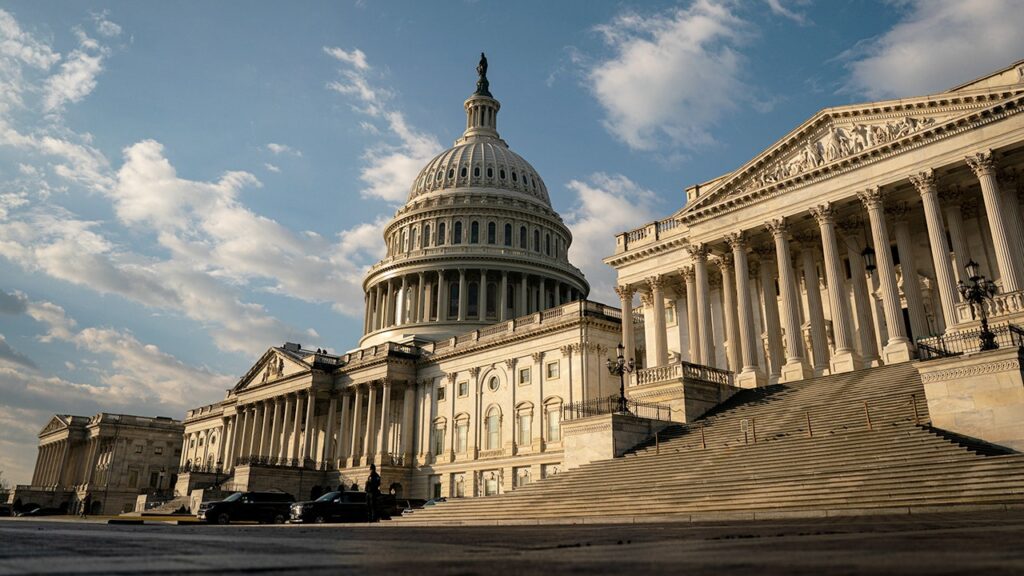
As Congress moves into the fall season, the atmosphere is unusually calm following a year marked by intense political turmoil and a significant government shutdown. Unlike previous years, this September has seen lawmakers successfully address budgetary concerns, avoiding the typical scramble associated with funding battles. This early resolution allows legislators and the public to enjoy the seasonal changes without the looming threat of a shutdown disrupting governmental operations.
| Article Subheadings |
|---|
| 1) A Calm Before the Political Storm |
| 2) Implications of Midterm Elections on Budgeting |
| 3) The Role of Filibuster in Future Spending Bills |
| 4) Party Dynamics and the Potential for Leadership Change |
| 5) Looking Ahead: The Coming Political Climate |
A Calm Before the Political Storm
Following years of chaotic autumn sessions, this fall’s initial weeks have ushered in a welcome sense of tranquility among lawmakers, devoid of the usual panic that typically accompanies government funding deadlines. Earlier this year, Congress managed to bypass the looming threat of a government shutdown that has historically plagued the legislative body as it neared fiscal year-end deadlines. With the current funding arrangement extending through December 11, legislators have found a brief respite to embrace the seasonal changes, indulging in pumpkin spice lattes and autumn festivities.
The calm atmosphere is a stark contrast to last year’s devastating 43-day shutdown, which sent political tensions to unprecedented heights. Lawmakers are tentatively enjoying their time as they prepare for the next round of spending discussions, set to resume in mid-December. While the current peace is appreciated, the potential for renewed disputes looms large on the horizon as they prepare for the more contentious negotiations that typically arise in the latter part of the calendar year.
Implications of Midterm Elections on Budgeting
As the midterm elections approach, the outcomes will undoubtedly influence future budgeting strategies and negotiations on Capitol Hill. Should the Democratic Party successfully reclaim control of the House or the Senate, Republicans may find themselves pressed to accommodate the Democratic agenda in their spending proposals. The delicate balance of power that results from shifting majorities could dictate how government funds are allocated and what priorities take precedence.
Notably, a shift in power in Congress could lead lawmakers to reassess their current approaches. For example, if Democrats assert control, they might demand more robust funding for social services, healthcare, and infrastructure projects that reflect party ideals. In contrast, Republicans may push for conservative fiscal policies that could clash with Democratic priorities, heightening tensions between the two parties.
The Role of Filibuster in Future Spending Bills
One of the critical factors to consider in the upcoming negotiations is the filibuster, a procedural hurdle requiring 60 votes to pass legislation in the Senate. This requirement presents a significant challenge for the party currently holding the majority, as they would need bipartisan support to avoid stalling their spending packages. With increasing partisan divides evident in legislative dynamics, the ability to secure the necessary votes may become increasingly elusive.
The difficulties highlighted by the filibuster echo the political strife experienced during the government shutdowns of previous years. Lawmakers previously struggled to navigate the filibuster while trying to deliver a funding package suitable for both parties. This potential for legislative gridlock raises concerns about the stability of government funding, with many experts suggesting that December’s anticipated negotiations could mirror the past obstacles faced by Congress during tense budget talks.
Party Dynamics and the Potential for Leadership Change
As the political landscape continues to evolve, the potential for leadership changes within both Republican and Democratic parties remains high. Should the outcome of the midterm elections reshuffle power, questions surrounding the future of leaders such as House Speaker Mike Johnson and Senate Minority Leader Chuck Schumer may arise. Discontentment within party ranks, particularly among grassroots factions, could push the establishment to consider fresh leadership options.
Several rising figures within the Democratic and Republican parties have already begun to attract attention for their potential to lead the next generation of lawmakers. For instance, strong ties between some Republicans and former President Donald Trump have made it unclear whether they will support traditional leadership figures should they feel frustration at the party’s continued challenges. In that vein, grassroots movements may also advocate for a shift in leadership as they aim to align the party’s focus with contemporary issues and voter concerns, shifting the dynamic of both legislative chambers.
Looking Ahead: The Coming Political Climate
As Congress enters the final months before midterm elections, political observers note that the anticipated themes in governance will revolve around budgeting, spending policies, and pressing national issues such as healthcare, education, and economic recovery. The outcome of the electoral contests will set the stage for dramatic shifts either toward further polarization or opportunities for bipartisanship to address pressing challenges facing the nation.
The uncertainty and debate surrounding budgetary maneuvers will ensure that discussions will not only focus on immediate funding needs but will also take a long-term view of how social and economic supports are structured moving forward. With the upcoming election poised to influence every corner of Capitol Hill, the next few weeks will be crucial in determining how party dynamics unfold and how the legislative agenda evolves in a post-election environment.
| No. | Key Points |
|---|---|
| 1 | Congress successfully avoided a government shutdown, with funding secured through December 11. |
| 2 | The midterm elections will have significant implications for future budgeting and spending policies. |
| 3 | The filibuster poses a key challenge for the majority party in passing spending bills in the Senate. |
| 4 | Potential leadership changes could reshape party dynamics as the elections approach. |
| 5 | Future political outcomes hinge on how Congress is able to address pressing national issues post-election. |
Summary
With Congress entering the fall season absent the usual chaos surrounding budget negotiations, this moment represents a rare opportunity for lawmakers to regroup ahead of the midterm elections. As political dynamics shift, the potential for significant changes in leadership and policy direction looms on the horizon. The ability to secure bipartisan support will be critical as lawmakers face the pressing necessity for budgetary action in the coming months, navigating a path that will shape not only the government’s operational framework but also the broader political landscape throughout the country.
Frequently Asked Questions
Question: Why was there no government shutdown this year?
Lawmakers managed to resolve budgetary issues early, securing funding through December 11 and avoiding the usual late-September chaos associated with government shutdowns.
Question: What are the implications of the midterm elections on congressional budgeting?
The outcomes of the midterms could shift control within Congress, impacting how future budgets are negotiated, with potential for either party to shape spending priorities based on electoral results.
Question: How does the filibuster affect spending bills in the Senate?
The filibuster requires 60 votes to advance most legislation, making it difficult for the majority party to pass spending bills without bipartisan support, particularly in a politically divided Senate.