
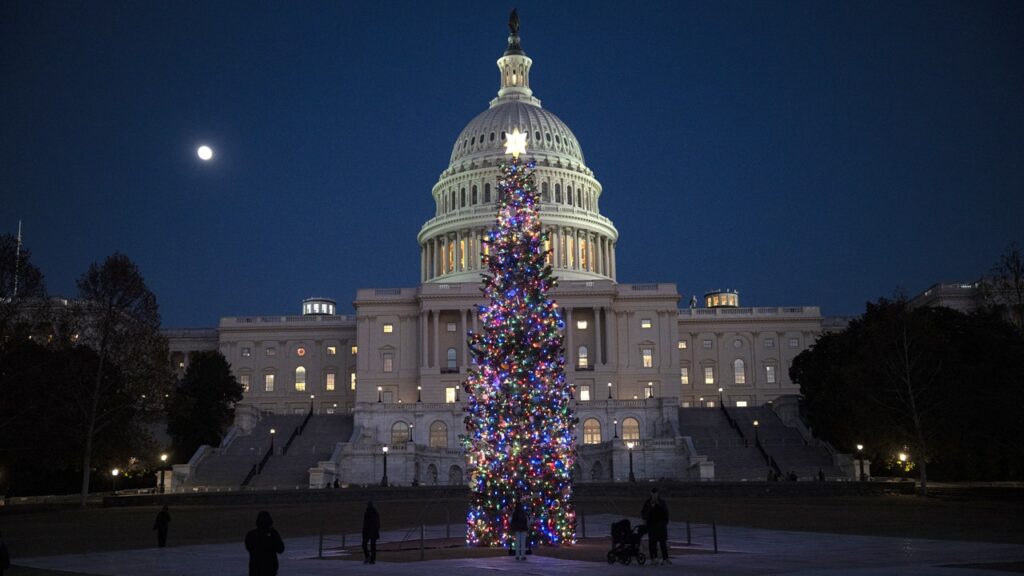
As Congress moves through December, lawmakers face another crucial legislative deadline as they grapple with healthcare affordability issues. With the new year approaching, the specter of rising premiums has sparked intense negotiations among Democrats and Republicans, who are struggling to reach a consensus before time runs out. Both parties are under pressure to finalize healthcare plans, as unresolved issues could significantly impact their political standing ahead of midterm elections.
| Article Subheadings |
|---|
| 1) The Legislative Crunch Time on Capitol Hill |
| 2) Overview of Current Healthcare Proposals |
| 3) The Political Context Behind the Deadline |
| 4) Potential Outcomes and Implications |
| 5) Conclusion and Future Prospects |
The Legislative Crunch Time on Capitol Hill
Each December, the atmosphere on Capitol Hill resembles a clock ticking down to midnight. This year, lawmakers are confronted with a growing urgency to address crucial issues before the new year. As notoriously divisive topics clash, the potential for a government shutdown raises the stakes for both parties involved. Required appropriations and impending deadlines mean every hour counts. The pressure for various legislative outcomes manifests as a last-minute rush similar to holiday shopping chaos, where each party maneuvers to secure as many wins as possible while fending off perceived losses.
Overview of Current Healthcare Proposals
The current healthcare debate sees two contrasting proposals at the forefront. On one side, Senate Minority Leader Chuck Schumer has championed a three-year extension of current Obamacare subsidies, asserting that healthcare needs to be accessible and affordable for all Americans. On the opposing side, Senate Republicans, led by Senate Finance Committee Chairman Michael Crapo, advocate for a plan that avoids renewing these subsidies. Instead, their vision focuses on promoting Health Savings Accounts (HSAs), theoretically allowing Americans greater flexibility and control over their healthcare expenses.
These differing approaches highlight the significant ideological divide between both parties. With healthcare costs soaring, any outcomes from these proposals could have far-reaching implications for millions of Americans, as well as implications for lawmakers’ political fortunes heading into upcoming elections.
The Political Context Behind the Deadline
The December deadline for resolving healthcare proposals coincides with recent political history. Previous years have seen an array of high-stakes legislative negotiations, often characterized by brinkmanship. The looming threat of rising premiums and the fallout from a potential government shutdown create an environment fraught with tension. Lawmakers from both parties understand that failing to address healthcare affordability could lead to negative public sentiment, increasing vulnerability for incumbents in the forthcoming midterms.
Democrats argue that Republicans are obstructing progress by failing to support necessary reforms. At the same time, Republican leaders voice frustration over what they perceive as a lack of willingness on the part of Democrats to engage in meaningful compromise. The polarization seen during this legislative debate mirrors broader national divisions, with the potential to exacerbate partisan tensions.
Potential Outcomes and Implications
As the clock ticks down, potential outcomes increasingly hinge on political calculations. If lawmakers cannot come to a consensus, the consequences could reverberate through the healthcare system, affecting millions across the nation. Such a failure would not only impact the healthcare landscape but could also translate into electoral consequences for those in Congress. In the worst-case scenario, a lack of agreement might allow premiums to rise steeply as the New Year begins, completely jeopardizing healthcare access for many families.
There remains the possibility, however, for a last-minute compromise that could mitigate the looming crisis. History suggests that fiscal pressures often spur unexpected collaboration under the holiday-induced urgency. If past behaviors are any indication, a significant piece of legislation may emerge from extreme deadlines, fundamentally changing the conversation around healthcare in the near term.
Conclusion and Future Prospects
As Congress inches closer to the year-end deadline, the pressing issues surrounding healthcare remain unsolved. Both parties must weigh their political fortunes against the very real consequences of inaction. While the immediate focus is on healthcare proposals, the implications of this legislative session stretch beyond simply covering costs. The outcomes may shift the landscape for healthcare policy in America significantly and will likely shape the legislative priorities as both parties approach the upcoming midterms.
| No. | Key Points |
|---|---|
| 1 | Congress faces a critical deadline to address rising healthcare premiums before the new year. |
| 2 | Senate Democrats propose extending Obamacare subsidies, while Republicans suggest alternative measures focused on Health Savings Accounts. |
| 3 | The political landscape is fraught with potential repercussions as both parties navigate the pressures of approaching midterms. |
| 4 | Past legislative behavior indicates that last-minute negotiations often yield unexpected outcomes under time constraints. |
| 5 | Failure to reach an agreement may not only affect healthcare access but also politicians’ standing with constituents ahead of elections. |
Summary
As lawmakers grapple with pressing healthcare issues during the holiday season, the interplay of ideology, urgency, and electoral politics will determine the fate of critical legislation. The repercussions of the current debate extend beyond just policy, potentially reshaping the political landscape as 2024 approaches. The outcome of negotiations in the coming days will reveal whether Congress can resolve the pressing issue of healthcare affordability or succumb to partisan gridlock.
Frequently Asked Questions
Question: Why is December a critical time for Congress to address healthcare issues?
December serves as a critical juncture for Congress as legislative deadlines loom, and unresolved healthcare issues could lead to rising premiums that impact many Americans.
Question: What are the main proposals being discussed regarding healthcare?
Current proposals include extending Obamacare subsidies from Democrats and a Republican plan focused on Health Savings Accounts that would not renew those subsidies.
Question: How might the outcomes of these negotiations affect the upcoming elections?
The outcomes could significantly affect lawmakers’ political standing; failure to address healthcare affordability may alienate constituents and impact their chances in the midterms.