
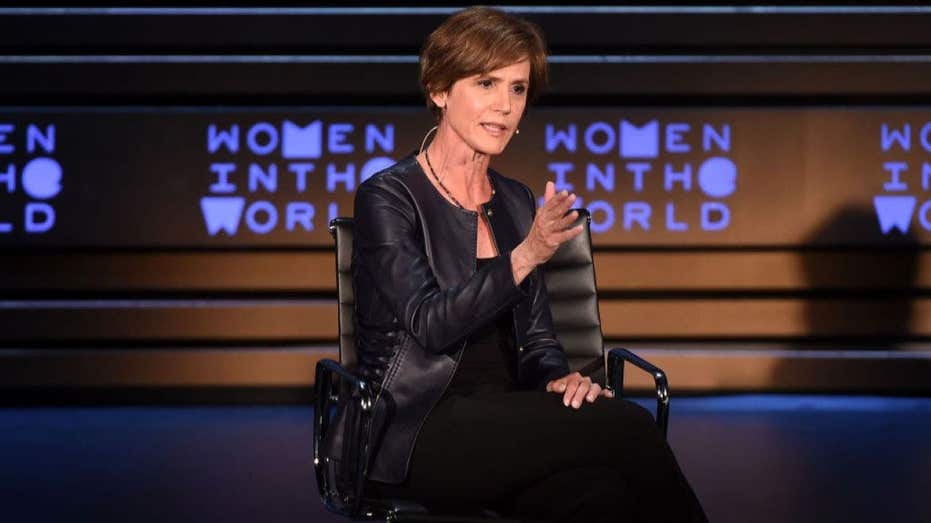
Cornell University has appointed former U.S. Deputy Attorney General Sally Yates to conduct an independent review of its response to sexual assault and misconduct. The review will examine the university’s policies and procedures, including its handling of allegations involving a student identified as Jane Doe and members of the Chi Phi fraternity in October 2024. The announcement comes as protests and legal scrutiny intensify on the campus in Ithaca, New York. Cornell said the review will assess both the specific case and its broader approach to campus safety.
| 1) | Scope of Cornell’s independent review |
| 2) | The October 2024 allegations |
| 3) | Response from an attorney for an accused student |
| 4) | Separate political and legal investigations |
| 5) | Conflicting accounts at the center of the dispute |
Scope of Cornell’s independent review
Cornell announced the review on Tuesday, October 6, 2026, naming Sally Yates as the outside investigator. Yates, a former U.S. deputy attorney general, will examine how the university prevents and responds to sexual assault, with particular attention to whether its policies were followed in the Jane Doe matter.
The review will cover how reports are received and investigated, how students are supported, and how hearings, disciplinary decisions and appeals are handled. It will also examine the role of campus police, coordination with law enforcement and prosecutors, campus safety reporting, oversight of fraternities and other student organizations, and the Board of Trustees’ supervision of these issues.
“Sally Yates brings extraordinary experience, independence and judgment to this work.”
Anne Meinig Smalling, chair of the Cornell University Special Committee of the Board of Trustees, said the review would identify areas where the university is performing well and where changes may be needed to improve safety.
The October 2024 allegations
The review will include allegations arising from a night at the Chi Phi fraternity house in Ithaca in October 2024. Seven former fraternity members are accused in a civil lawsuit of drugging and sexually assaulting a female Cornell student during a night involving alcohol, drugs and group sexual activity.
The accuser, identified in court documents as Jane Doe, alleges that she arrived intoxicated and was pressured to take ketamine and other substances before the alleged assaults. The accused men have denied wrongdoing. Some have said the sexual activity was consensual, while others have denied participating. No criminal charges have been filed against the seven men.
Response from an attorney for an accused student
Andrew Miltenberg, an attorney for one of the accused fraternity members, said his firm welcomed an outside review of Cornell’s procedures and the Jane Doe case. He said his experience with Cornell Title IX investigations had generally been positive, while also alleging that due process concerns had affected respondents in some cases.
Miltenberg said the investigative team should have access to the complete record and should follow the evidence. He described the review as particularly important because of the public attention surrounding the case, arguing that the facts should determine the assessment of Cornell’s conduct and procedures.
“That makes it even more important that the review focus on the evidence and take an honest look at what happened, how Cornell handled it, and whether its policies and procedures were followed.”
Separate political and legal investigations
The controversy has expanded beyond Cornell’s internal review. New York Attorney General Letitia James said her office was conducting an active criminal investigation after Gov. Kathy Hochul appointed the Office of the Attorney General as special prosecutor.
Cornell has also agreed to retain outside counsel for a separate independent examination of its handling of the allegations. These efforts are proceeding as students protest on campus, including demonstrations at Ho Plaza in response to the allegations and the university’s actions.
Conflicting accounts at the center of the dispute
The dispute involves sharply different accounts of what occurred during the October 2024 gathering. The parties disagree about the events described in the civil lawsuit, the conduct of the accused students and the university’s response after the allegations were reported.
The controversy also includes differences between statements Jane Doe made in the weeks after the alleged incident, information prosecutors say they received from Cornell police, and allegations presented in a lawsuit filed nearly two years later. Yates’ review is intended to assess how Cornell handled those reports and whether university policies, investigative procedures and oversight requirements were followed.
| Number | Key Point |
|---|---|
| 1 | Sally Yates will lead Cornell’s independent review. |
| 2 | The review includes the October 2024 allegations involving Jane Doe and Chi Phi members. |
| 3 | The accused men deny wrongdoing, and no criminal charges have been filed against them. |
| 4 | New York authorities are conducting a separate criminal investigation. |
Summary
Cornell’s appointment of Sally Yates places an experienced former federal prosecutor at the center of an independent assessment of the university’s sexual assault response. The inquiry will address both the specific Chi Phi allegations and the broader systems governing reporting, investigations, student support, discipline, police coordination and fraternity oversight. Its findings will unfold alongside a state criminal investigation and continuing campus protests.
Frequently Asked Questions
Who is conducting Cornell’s review?
Sally Yates, a former U.S. deputy attorney general, is conducting the independent review.
What case will the review examine?
It will examine Cornell’s handling of allegations involving Jane Doe and members of the Chi Phi fraternity in October 2024, as well as the university’s broader sexual assault policies.
Have the accused men been criminally charged?
No criminal charges have been filed against the seven men accused in the civil lawsuit. They have denied wrongdoing, with some asserting that the sexual activity was consensual and others denying participation.