
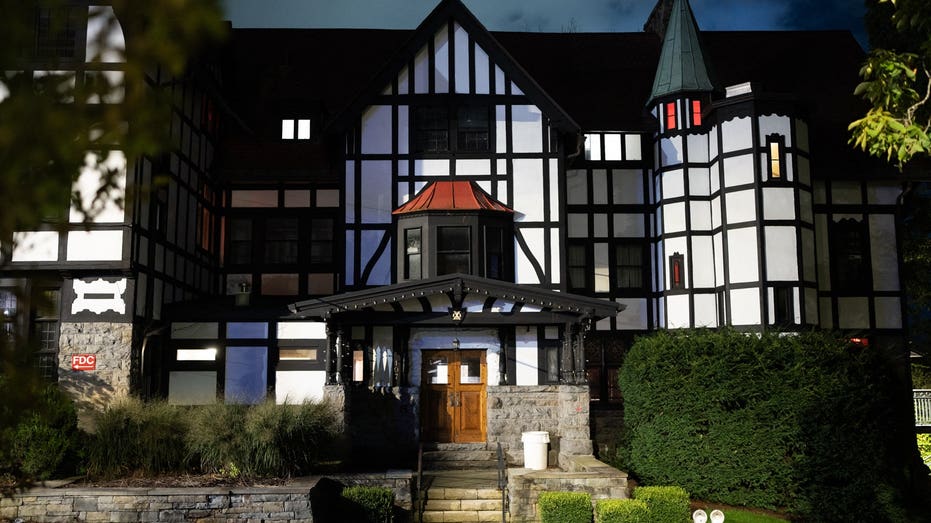
Cornell University campus police arrested a student on drug charges at the Chi Phi fraternity house in Ithaca, New York, less than 24 hours before a party identified in a civil lawsuit alleging sexual assault. The arrest occurred around 1 a.m. on October 19, 2024, according to the university’s crime log. The lawsuit, filed by an unidentified woman, accuses seven former Chi Phi members of assault during a party that continued into the following morning. New York officials are now reviewing the university’s handling of the allegations.
The crime log does not identify the drug, specify the criminal charges, or say whether the arrested student belonged to Chi Phi. It states that the matter was referred to the university’s Office of Student Conduct. Cornell did not immediately provide further details about the arrest or its resolution.
| 1) | Drug arrest preceded the fraternity party |
| 2) | Civil lawsuit details the alleged assault |
| 3) | Conflicting accounts shape the criminal review |
| 4) | University faces scrutiny and campus unrest |
| 5) | State officials investigate the allegations |
Drug arrest preceded the fraternity party
Cornell campus police responded to the university-owned Chi Phi house at about 1 a.m. on October 19, 2024. Officers arrested a student on drug-related charges and referred the matter to the Office of Student Conduct, according to the crime log. The record does not identify the substance, explain the outcome, or establish whether the student was a fraternity member.
Later on October 19, Chi Phi hosted a party that continued into the early hours of October 20. The timing of the arrest has drawn renewed attention because the party is the event described in a subsequent civil complaint.
Civil lawsuit details the alleged assault
The plaintiff, identified as Jane Doe, reported allegations to university police on November 8, 2024. She said the alleged assault occurred between approximately 11 p.m. on October 19 and 5:45 a.m. on October 20 at the fraternity party. Her lawsuit accuses seven former Chi Phi members of sexually assaulting her.
The complaint also alleges that Doe was pressured to snort ketamine. The federal Drug Enforcement Administration describes ketamine as an anesthetic with dissociative and hallucinogenic effects and warns that it has been used to facilitate sexual assault. The allegations in the lawsuit have not been established in court, and the defendants’ responses were not detailed in the available report.
Conflicting accounts shape the criminal review
Tompkins County prosecutors declined to bring criminal charges after Doe’s initial report in 2024. District Attorney Matthew Van Houten has said her November sworn statement characterized drug use and sexual conduct as voluntary, conscious, and consensual, and did not allege that she had been drugged against her will or gang raped.
A later interview reportedly presented a different account. According to a local television report, a transcript of two interviews conducted on November 14 and 15 records Doe distinguishing an initially consensual encounter from conduct she later described as assault. She reportedly told investigators,
“I can say with 100% confidence I was raped.”
Van Houten said the transcript could change his understanding of the case.
University faces scrutiny and campus unrest
Chi Phi was suspended on November 8, 2024, the same day Doe reported the allegations to campus police, according to the complaint. The university’s response has since faced public scrutiny, including calls for an examination of how officials handled the report.
Separately, vandals damaged windows and painted red slogans at Day Hall, an administrative building, in early October 2026. University Vice President for University Relations Kyle Kimball said the concerns should be heard but that property damage was not an appropriate response.
“We are investigating the vandalism at Day Hall and will address it in accordance with University policy and applicable law.”
State officials investigate the allegations
New York Gov. Kathy Hochul appointed Attorney General Letitia James as a special prosecutor in October 2026 to examine the allegations raised in Doe’s civil lawsuit. The review comes as Cornell President Michael Kotlikoff has acknowledged concerns about the university’s handling of sexual assault allegations and said the institution must improve.
The state inquiry, the civil litigation, and the earlier prosecutorial decision address related but distinct questions. The civil case concerns alleged liability by former fraternity members, while the special prosecutor’s review focuses on the broader handling of the allegations and the university’s response. The drug arrest remains a separate incident whose final disposition has not been publicly explained.
| Number | Key Point |
|---|---|
| 1 | A student was arrested on drug charges at Chi Phi around 1 a.m. on October 19, 2024. |
| 2 | A party at the fraternity later became central to a civil lawsuit alleging sexual assault. |
| 3 | The crime log does not identify the drug, the arrested student’s affiliation, or the case outcome. |
| 4 | A special prosecutor is reviewing allegations raised in the lawsuit. |
Summary
The drug arrest at Chi Phi occurred hours before a party linked to serious allegations in a civil lawsuit. Public accounts differ over what Doe initially told investigators and how later interview material should be interpreted. The lawsuit, state review, and university response remain ongoing matters, while the arrest itself has not been fully explained publicly.
Frequently Asked Questions
When did the drug arrest occur?
Campus police responded to the Chi Phi house at about 1 a.m. on October 19, 2024, according to Cornell’s crime log.
What does the civil lawsuit allege?
The lawsuit filed by Jane Doe accuses seven former Chi Phi members of sexually assaulting her during a party that began on October 19 and continued into October 20, 2024.
Who is reviewing the allegations?
New York Attorney General Letitia James was appointed special prosecutor by Gov. Kathy Hochul to examine allegations raised in the civil lawsuit and related concerns about the university’s response.