
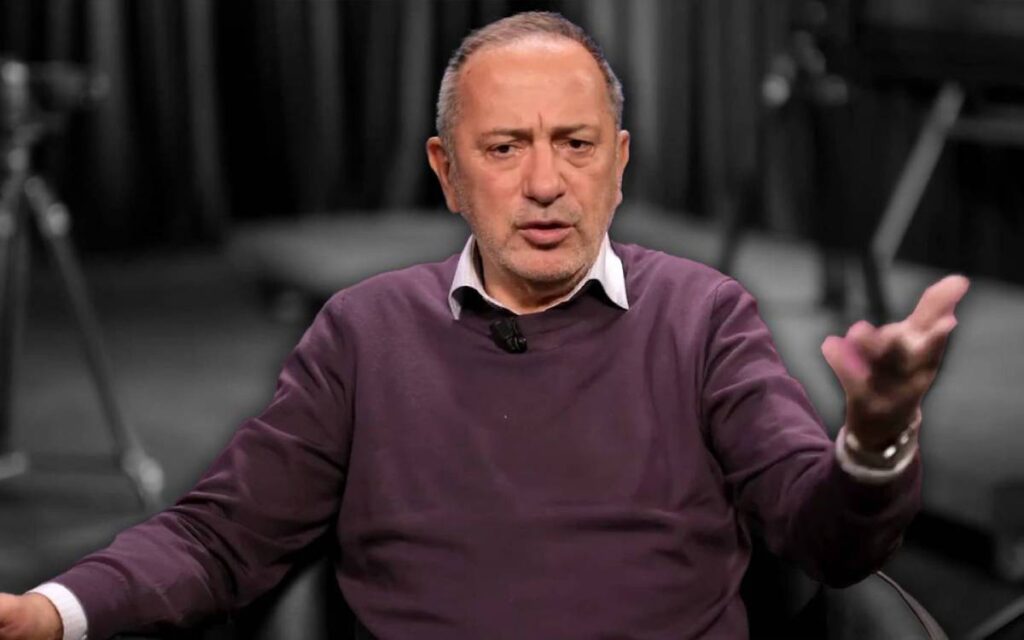
In a significant ruling, an İstanbul court has sentenced journalist Fatih Altaylı to four years and two months in prison for comments made during a YouTube broadcast, which were deemed as threats against President Recep Tayyip Erdoğan. The court concluded that Altaylı’s remarks transcended the boundaries of press freedom and political critique, categorizing them as incitement to violence. This ruling raises profound implications for freedom of expression and the treatment of journalists in Turkey.
| Article Subheadings |
|---|
| 1) Background of the Case |
| 2) Court’s Reasoning Behind the Ruling |
| 3) Public Response and Aftermath |
| 4) Implications for Press Freedom |
| 5) Future Prospects for Fatih Altaylı |
Background of the Case
The legal troubles for Fatih Altaylı began with a YouTube broadcast aired on June 21, where he discussed public sentiment regarding President Recep Tayyip Erdoğan‘s enduring leadership. His comments, which referenced historical events of political discontent and even assassination, caught the attention of officials, leading to a swift legal inquiry. On June 22, the journalist was detained and subsequently arrested, facing grave charges of threatening the life of the president, with the specific phraseology of his remarks raising alarm among authorities.
In his broadcast, Altaylı stated, “Seventy percent of the people are against President Erdoğan staying in office for life,” hinting at a historical context where dissatisfaction led to extreme actions against rulers. The metaphorical nature of his comments was lost on the authorities, who perceived them as a radical incitement potentially manifesting as violence against the president. The context of his remarks played a significant role in the ensuing legal proceedings as officials targeted his statements as threats rather than merely political commentary.
Court’s Reasoning Behind the Ruling
The İstanbul 26th Heavy Penal Court laid out its detailed findings, asserting that Altaylı’s statements did not fall within the protections of press freedom. The judges articulated that expressions deemed as invitations to violence or reflecting hatred cannot be cloaked under the guise of political criticism. The court expressed concern over the implication of assassination in Altaylı’s choice of words, noting that such expressions bear significant weight under Turkish law.
The court emphasized that the scale of Altaylı’s platform—boasting approximately 1.7 million subscribers—exemplified his intention to reach a wide audience. This was seen as a factor reinforcing the severity of the ruling, raising questions concerning the responsibility of media figures in shaping public discourse. The ruling outlined criteria for lawful journalistic expression, insisting that comments must be relevant, topical, and devoid of degrading language, consequently disqualifying Altaylı’s remarks from being protected speech.
In its ruling, the court noted, “The act of assassination against the president is considered a distinct offense, even more serious than intentional killing…” highlighting the gravity of similar articulations in Turkey’s legal framework. Such characterizations clearly reflect the existing political climate and the boundaries surrounding free speech in the nation, emphasizing the intensified scrutiny journalists are currently under.
Public Response and Aftermath
The decision to imprison Altaylı triggered widespread reactions from the public and media communities, prompting discussions about press freedom and artistic expression within the country. Several organizations, both local and international, expressed their concerns regarding the ruling, interpreting it as a blatant attack on free speech. Following the verdict, a coalition of journalists rallied to support Altaylı, marking a moment of solidarity among media professionals who fear repercussions for similar expressions of dissent.
Moreover, public sentiment echoed similar apprehensions, with numerous citizens actively discussing the implications of the ruling on social media platforms. “This ruling sets a worrying precedent for journalists. It’s disheartening to witness our freedom eroding before our eyes,” said an anonymous social media user, echoing the sentiments of many who feel constrained by the government’s oppressive measures against dissent.
In the aftermath, Altaylı shifted to sending pre-recorded messages from his detention, preserving his voice in the media through circumstantial means and retaining his audience’s engagement. Despite the prison sentence, his YouTube channel continues to garner significant attention, underscoring the relentless spirit of dissent among Turkish citizens.
Implications for Press Freedom
The ruling against Fatih Altaylı pertains to broader implications for journalism and media in Turkey, constituting a chilling effect on varying levels of discourse. Analysts predict that such harsh penalties could lead to increased self-censorship among journalists, who may grow cautious in critiquing government officials or discussing political discontent out of fear of severe repercussions.
As the court’s decision underscores, expressions inciting violence—even metaphorically—may be considered treacherous under Turkish laws. This perceived vulnerability firmly places journalists under the state’s watchful gaze, creating an environment where criticism is stifled and dissent is punishable by imprisonment. Many believe this trend signals a rapid decline in media freedom and democratic principles, leading to concerns about the erosion of civil liberties in Turkey.
Additionally, legal experts fear that this ruling sets a dangerous precedent, possibly inviting similar cases against other journalists who challenge the current administration or express contentious views. The pressing concern is that such limitations on free speech could see a considerable decline in journalistic accountability and investigative reporting, which are crucial components of a healthy democracy.
Future Prospects for Fatih Altaylı
Looking ahead, the future for Fatih Altaylı appears uncertain. His imprisonment may lead to various appeals and legal maneuvers, attempting to overturn the current ruling. Still, the harsh realities of the Turkish legal system, rife with political influences, present significant barriers for challenging judicial decisions. Altaylı’s plight may perpetuate a longer journey through appeals as he seeks justice.
Furthermore, the potential for international advocacy intensifying for Altaylı’s case could become a focal point for discussions surrounding human rights abuses in Turkey. Should Altaylı garner the support of global rights organizations, there may be increased pressure on the Turkish government to reevaluate its stance on press freedoms and embrace more democratic practices.
Ultimately, Fatih Altaylı’s situation sheds light on the precarious condition of press freedoms in Turkey, highlighting the need for collective advocacy for journalists facing similar circumstances. The resilience demonstrated by Altaylı, even during legal adversity, indicates that the spirit of free expression remains strong among those devoted to dissent, despite oppressive governmental actions.
| No. | Key Points |
|---|---|
| 1 | Journalist Fatih Altaylı was sentenced to over four years in prison for remarks threatening the president. |
| 2 | The İstanbul court categorized Altaylı’s statements as incitement to violence, not protected speech. |
| 3 | Public and media communities expressed solidarity and concern regarding press freedoms following the ruling. |
| 4 | The case exemplifies growing restrictions on freedom of expression and the press in Turkey. |
| 5 | Future prospects for Altaylı hinge on legal appeals and potential international advocacy. |
Summary
The sentencing of Fatih Altaylı serves as a poignant reminder of the fragile state of press freedoms in Turkey. As officials tighten their grip on dissenting voices, the implications for journalists and freedom of expression are alarmingly significant. This situation not only underscores the challenges faced by media professionals in the country but also calls for united efforts toward advocating for the protection of civil liberties. Altaylı’s story may resonate broadly, highlighting the necessity for a collective stance against repression in media.
Frequently Asked Questions
Question: What specific comments did Fatih Altaylı make that led to his conviction?
Fatih Altaylı, during a YouTube broadcast, remarked on public discontent with President Erdoğan’s rule, referencing historical instances of political assassination. These comments were interpreted by the court as threats against the president.
Question: What are the broader implications of Altaylı’s case for journalists in Turkey?
The ruling against Altaylı signals a potential for increased self-censorship among journalists, raising concerns regarding the erosion of press freedoms and the safety of media professionals in expressing dissenting opinions.
Question: How has the public reacted to Altaylı’s sentencing?
Public response has included widespread expressions of concern, solidarity with Altaylı, and discussions about the implications for free speech, reflecting a growing apprehension regarding governmental repression of dissent in Turkey.