
In a shocking development, dozens of deportees, including Cuban immigrant Yasmany Moreno de Armas and Eritrean native Zena Gebrgzabher, are stranded in the Central African Republic after being deported from the United States. This controversial decision, initiated during the Trump administration, has left these individuals grappling with a profound sense of loss and bewilderment in a nation they barely know. Many of these deportees were unaware of their imminent relocation until they arrived in the impoverished and conflict-ridden country.
| Article Subheadings |
|---|
| 1) Unanticipated Deportations to a Conflict Zone |
| 2) Life without Familiarity and Support |
| 3) Historical Context of Third-Country Deportations |
| 4) The Legal Dynamics at Play |
| 5) The Personal Impact of Injustice |
Unanticipated Deportations to a Conflict Zone
The plight of Yasmany Moreno de Armas serves as a stark example of the complexities surrounding recent U.S. immigration policies. Once living and working in Florida, Moreno de Armas, along with numerous others from varying backgrounds, found themselves deported to the Central African Republic (CAR) without prior notice. According to his account, he only learned of his deportation once he arrived in the country’s capital, Bangui, in late July, where he discovered he would be living amongst individuals from countries like Ecuador, Honduras, and Russia.
The Central African Republic, marked by extreme poverty and turbulent political turmoil, has been characterized as one of the world’s most dangerous nations. The U.S. State Department has issued a Level 4 travel advisory, signaling a “Do Not Travel” recommendation due to the precarious security situation. Moreno de Armas’s experience is echoed by others in similar circumstances, raising concerns about the legality and morality of sending deportees to such perilous environments.
“We cannot leave, we don’t have documents and we’re suffering and missing our families, in a continent we don’t know,”
Moreno de Armas explained, emphasizing the emotional toll these sudden relocations have had on him and others.
Life without Familiarity and Support
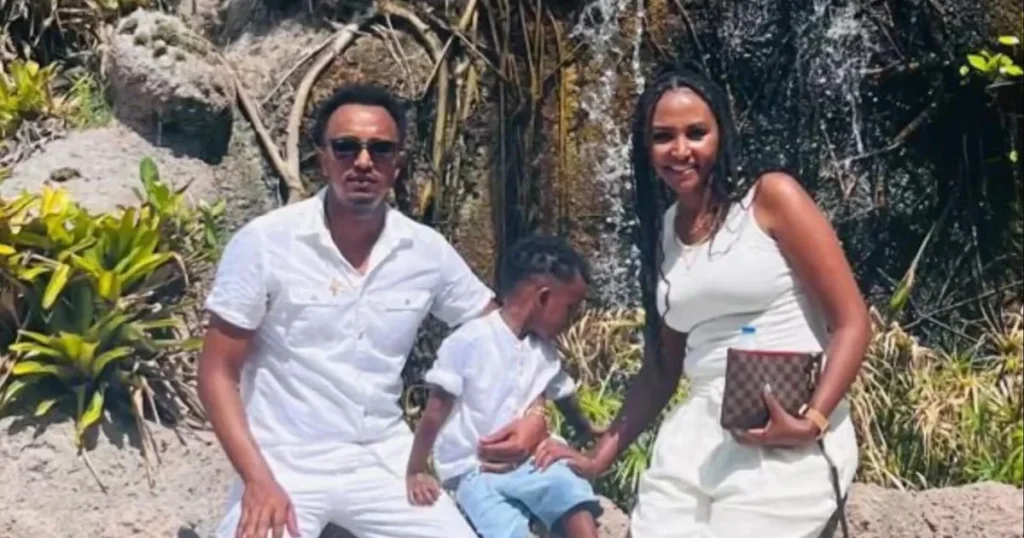
The adjustment to life in a new and unwelcoming environment has been challenging for many deportees. Zena Gebrgzabher, also forcibly relocated to the CAR, expressed profound feelings of missing his family. His wife and five-year-old American son, who reside in Maryland, have been particularly affected by his absence. Yrgalem Gehrehiwet, Gebrgzabher’s spouse, has described the emotional struggles faced by their child, who frequently inquires, “where is my daddy?” This heartbreaking scenario captures the widespread impact of these deportations on families torn apart by government actions.
Gebrgzabher, whose circumstances mirror those of Moreno de Armas, also stated that he had no knowledge of his impending deportation until it was too late. Families are often left in limbo, grappling with the uncertainty of their loved ones’ fates in foreign lands, where language barriers and cultural differences only exacerbate their plight. As stated by Gebrgzabher, “My son misses his dad more than us because he loves his dad.” This emphasizes the deep emotional repercussions of such deportations on minors, whose well-being is significantly compromised during these tumultuous transitions.
Historical Context of Third-Country Deportations
The practice of third-country deportations under the Trump administration has been critiqued for targeting undocumented immigrants from nations that reject or limit U.S. deportations. Countries across Africa, many of which are struggling with political instability and human rights violations, have been included in these arrangements. The Central African Republic is notably one of over thirty nations accepting these deportees as part of broader immigration enforcement strategies.
The shifting landscape of immigration law under the previous administration has created a wave of complex and contentious situations. Immigrants like Moreno de Armas and Gebrgzabher illustrate the systemic failures that can arise when individuals are sent to countries where they have no roots, facing scenarios that could endanger their safety and lives.
Official documents have revealed that deportees often lack any violent criminal history, with their records showing only minor immigration violations, pointing to the broader issue of how immigration laws and enforcement practices disproportionately affect individuals striving to build lives in the United States.
The Legal Dynamics at Play
The legal whims that dictate the fate of Moreno de Armas and Gebrgzabher expose the complexities of U.S. immigration policy. Both men faced unique legal challenges: Moreno de Armas’s experiences included being denied a green card under the Cuban Adjustment Act, culminating in his arrest by immigration officials and subsequent deportation. His arrival in the U.S. was marked by a paroled entry under the now-defunct “Wet Foot, Dry Foot” policy, placing him in a precarious position once his status lapsed.
In contrast, Gebrgzabher’s case was initially favorable, as he had successfully won protection under the Convention Against Torture, thus preventing his deportation back to Eritrea. However, the contours of his legal standing did not extend protection against deportation to a third country, highlighting an intricate aspect of immigration law that many are unaware of.
The ramifications of these legal interpretations have violent implications for individuals seeking safety, raising questions about the human cost of restricting immigration and maintaining unilateral control over deportation practices.
The Personal Impact of Injustice
Both Moreno de Armas and Gebrgzabher describe their current existence as emblematic of being effectively stateless, caught in a limbo where they are devoid of support systems or familiarity. They are in a foreign nation with limited language skills, struggling to navigate lives devoid of stability or connection. “If you’re going to be deported, it should be to your home country, not to another country where you don’t know the culture,” Moreno de Armas lamented, encapsulating the sentiments of many similarly affected individuals.
The humanitarian implications of such deportations cannot be understated. Families are torn apart, communities destabilized, and the emotional and mental health repercussions can have long-lasting effects on those impacted. Moreover, both cases illustrate the broader systemic failings within American immigration policies, highlighting the need for more humane and effective approaches to managing immigration.
| No. | Key Points |
|---|---|
| 1 | Deportees like Moreno de Armas and Gebrgzabher were sent to the Central African Republic without prior notice. |
| 2 | The Central African Republic is among the world’s poorest and most dangerous countries, marked by conflict and instability. |
| 3 | These deportations raise significant humanitarian issues, particularly regarding family separation and emotional trauma. |
| 4 | Many deportees lack violent criminal histories, facing deportation primarily for immigration-related violations. |
| 5 | Legal outcomes for deportees are often complicated, with protections under U.S. law providing little relief from third-country deportation. |
Summary
The stories of Yasmany Moreno de Armas and Zena Gebrgzabher expose the grim realities faced by deportees entangled in the complexities of U.S. immigration policies. Their experiences highlight systemic injustices resulting from the practice of third-country deportations, raising pressing questions regarding human rights, family integrity, and the ethical obligations of nations toward displaced individuals. As the world grapples with displacement and migration issues, stories like these will undoubtedly call for a reevaluation of the practices surrounding immigration enforcement.
Frequently Asked Questions
Question: What are third-country deportations?
Third-country deportations refer to the immigration policy that permits the deportation of individuals to a country that is not their country of origin. This practice often involves sending immigrants to nations with which the U.S. has agreements, even if those nations are politically unstable or unsafe.
Question: Why were deportees sent to the Central African Republic?
The U.S. government has implemented deportation agreements with several countries, including the Central African Republic, aiming to manage undocumented immigration more broadly. These countries are often seen as alternative destinations for individuals whose home nations reject deportation.
Question: What are the implications of these deportation practices for families?
The implications extend beyond individuals, often resulting in family separations that can cause emotional distress, financial instability, and a myriad of challenges for family members left behind, especially young children who may struggle to understand their parents’ absence.