
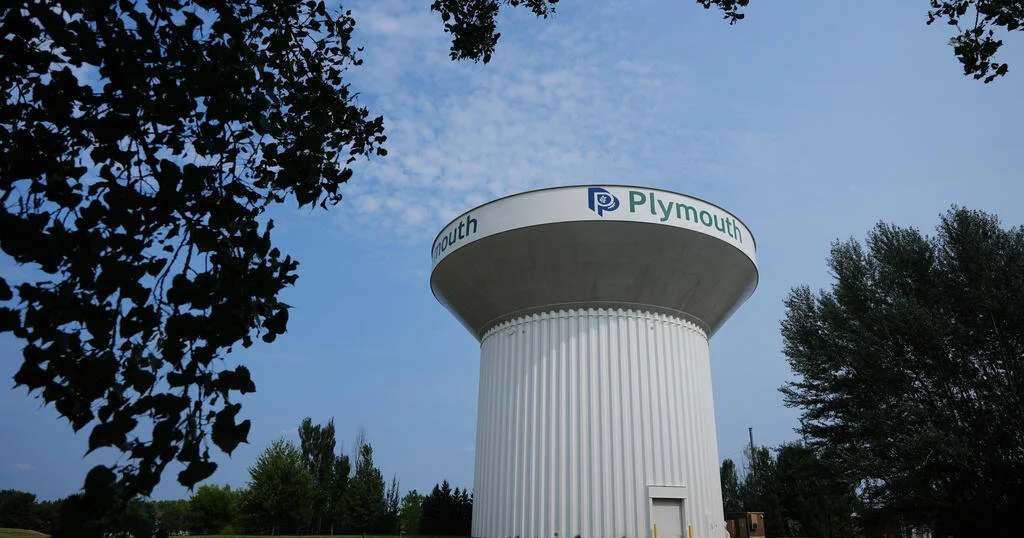
Recent cyberattacks on U.S. water systems have raised significant concerns, potentially linked to Iranian-backed hackers, affecting at least a dozen states. Affected areas span Michigan, Minnesota, Georgia, New Jersey, and South Dakota, with over 30 community water systems impacted in Minnesota alone. While no drinking water has been compromised, these incidents highlight vulnerabilities within critical infrastructure and the ongoing threats posed by cyber actors.
| Article Subheadings |
|---|
| 1) Overview of the Attacks |
| 2) States Affected |
| 3) Operational Impact on Water Systems |
| 4) Government Response and Advisory |
| 5) Possible Attribution to Iranian Hackers |
Overview of the Attacks
Cyberattacks targeting U.S. water systems have recently come under scrutiny, with reports indicating that at least a dozen states have experienced potential breaches. The incidents, first reported on Wednesday, have now captured the attention of various federal agencies, highlighting the emerging trends of cyber threats directed at critical infrastructure. Cybersecurity experts believe these premeditated attacks are designed to exploit vulnerabilities in water management systems, signaling a significant risk to public safety and security.
States Affected
The states impacted by these cyberattacks include Michigan, Minnesota, Georgia, New Jersey, and South Dakota. Each of these states has reported varying degrees of disruption to their water systems. In Minnesota, for example, more than 30 community water systems were flagged as affected, complicating public water distribution and management. Meanwhile, in Georgia, the Clayton County Water Authority, serving approximately 300,000 customers in the Atlanta metropolitan area, experienced a notable drop in water pressure due to cyber activities last month. This situation prompted the authority to issue a boil water advisory, although service was restored within hours.
Operational Impact on Water Systems
The operational ramifications of these cyberattacks have been significant, as some utilities reported a loss of critical remote-control capabilities. This disruption has forced operators to revert to manual operation modes, which are less efficient and slower in addressing water system management needs. In various instances, attackers managed to gain remote access to pumps, valves, and critical water pressure settings, raising alarms about the overall integrity of water supply systems. While officials assure that the quality of drinking water has remained safe, the mere presence of these vulnerabilities invites ongoing scrutiny into the adequacy of cybersecurity measures in place.
Government Response and Advisory
In response to these alarming developments, top federal agencies including the FBI, the Environmental Protection Agency (EPA), and the Cybersecurity and Infrastructure Security Agency (CISA) jointly issued warnings about the nature of these cyber threats. On July 30, these agencies alerted relevant authorities that cyber threat actors had gained unauthorized remote access to vital online infrastructures for water and wastewater management systems across at least seven states, resulting in a loss of essential monitoring and control functionalities. As a precautionary measure, local water agencies were advised to disconnect their operating programs from the internet to reinforce security. They were also urged to strengthen password protections and firewalls to thwart any future incursions.
Possible Attribution to Iranian Hackers
Among the key issues arising from these incidents is the suspicion that Iran-backed hackers may be behind the attacks. While federal investigators have not made formal attribution, the tactics employed in these cyber activities appear similar to a campaign in 2023 associated with the group CyberAv3ngers. This group, believed to be linked to the Iranian Revolutionary Guard, previously exploited default passwords to hack into water-system controllers. Such parallels raise concerns about the potential for escalation in cyber warfare targeting essential public services in an increasingly interconnected world.
| No. | Key Points |
|---|---|
| 1 | Cyberattacks on U.S. water systems have been reported in at least a dozen states. |
| 2 | The states affected include Michigan, Minnesota, Georgia, New Jersey, and South Dakota. |
| 3 | Several utilities have experienced operational disruptions, reverting to manual control. |
| 4 | Federal agencies have issued warnings and recommended heightened security measures. |
| 5 | The attacks are suspected to be linked to Iranian-backed hackers. |
Summary
These cyberattacks represent an alarming trend in the vulnerability of critical U.S. infrastructure to foreign actors. As federal agencies enhance their scrutiny and respond with appropriate advisories, the implications of these attacks go beyond immediate operational disruptions. They underline the urgent need for improved cybersecurity measures in public services to safeguard against future threats and ensure the safety of millions of Americans relying on these systems for their daily needs.
Frequently Asked Questions
Question: What are the main vulnerabilities in U.S. water systems?
U.S. water systems often rely on interconnected networks that may lack robust cybersecurity measures, making them susceptible to remote hacking, especially when default passwords are used.
Question: How have federal agencies responded to these cyberattacks?
Federal agencies like the FBI and CISA have issued warnings advising water systems to increase security, including disconnecting from the internet and enhancing password protections.
Question: Are the drinking water supplies compromised due to these attacks?
So far, officials have reported that the quality of drinking water remains safe, despite operational disruptions caused by the cyberattacks.