
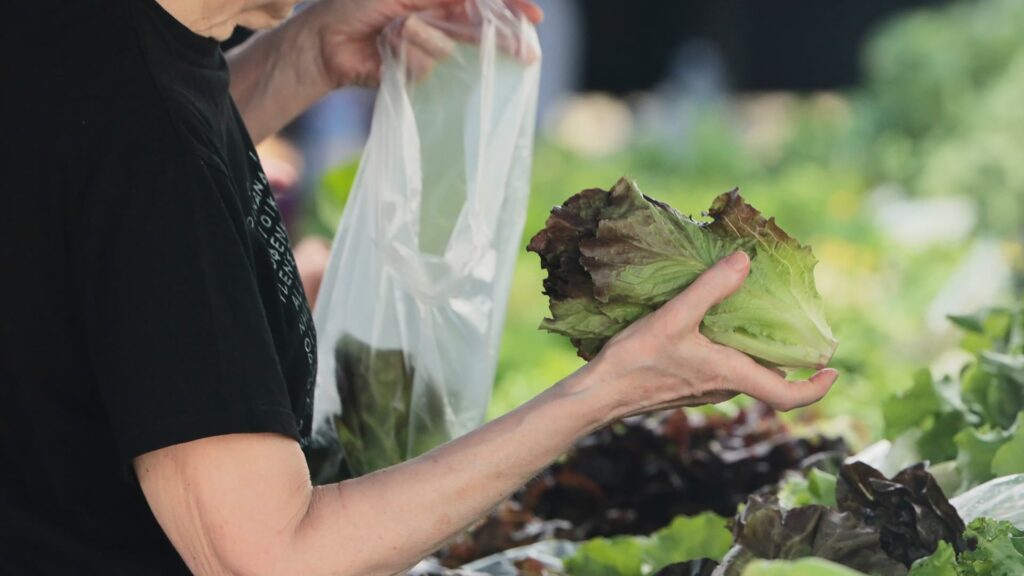
The ongoing cyclospora outbreaks in the U.S. have significantly impacted consumer behavior towards salads and greens this summer, with many dining establishments reporting a dramatic decline in foot traffic and sales. Reports indicate a sharp 24% drop in visits to locations such as Chopt Creative Salad Co. following the outbreak announcement, while Sweetgreen also adjusted its sales outlook due to consumer fears. This situation has even led to Chapter 11 bankruptcy filings for chains like Salad and Go, illustrating the broader ramifications of food safety concerns on the food service industry.
| Article Subheadings |
|---|
| 1) Consumer Response to the Cyclospora Outbreak |
| 2) Impact on Grocery Sales and Major Chains |
| 3) Food Safety Measures by Restaurants |
| 4) Recovery Signs from Health Departments |
| 5) Public Sentiment Toward Fresh Produce |
Consumer Response to the Cyclospora Outbreak
The cyclospora outbreaks have prompted widespread trepidation among consumers, leading many to avoid salads and greens altogether. The Food and Drug Administration’s (FDA) announcement on July 18, 2026, that linked iceberg lettuce from a processing facility in Mexico to the outbreak contributed to an immediate 24% drop in traffic to salad-focused locations like Chopt Creative Salad Co. The decline was attributed to fears about the safety of leafy greens, which typically see a surge in sales during summer months due to their association with salads and outdoor dining. As families sought to reduce their exposure to potential pathogens, many diners hesitated to consume any products associated with greens, including those perceived to be safe or not involved in the outbreak.
Impact on Grocery Sales and Major Chains
The repercussions of the outbreak extended beyond restaurant chains, impacting grocery stores significantly. Data from NielsenIQ revealed a 14% decline in dollar sales of prepackaged salads during the four weeks ending July 25 when compared to the same period in the previous year. This drop was not limited to salads; even major players in the food industry like Chipotle and Sweetgreen reported substantial dips in sales. For instance, Chipotle’s CFO noted a measurable softening of sales due to the cyclospora crisis, directly correlating their challenges to the outbreak awareness among the public. The compounding factors of previous food safety issues in the industry, including a recent salmonella scare involving jalapeño peppers, further complicated the situation for these establishments.
Food Safety Measures by Restaurants
In the wake of the outbreak, many restaurant chains were compelled to adopt rigorous food safety measures to reassure customers and mitigate the effects of declining sales. Companies like Sweetgreen aggressively communicated their menus, emphasizing that they do not serve iceberg lettuce, in a bid to distance themselves from the outbreak. Sweetgreen’s CEO, Jonathan Neman, took to social media to highlight their commitment to sourcing only U.S.-grown lettuce, aiming to instill confidence among diners. Similarly, other chains like Just Salad shared their strict protocols for food safety, which include thoroughly washing greens and discarding outer layers to prevent contamination. As these chains navigated the crisis, they also made use of multiple platforms, including social media and public relations, to communicate their food handling practices.
Recovery Signs from Health Departments
As the outbreak began showing signs of subsiding, health authorities started issuing guidelines that could ease consumer fears. The Michigan Health Department recently announced that the recommended avoidance of bagged salad mixes was no longer in effect as new infections slowed considerably. They stated, “Residents may resume their usual food handling practices and make choices based on their individual risk tolerance.” This shift has inspired some cautious optimism among restaurants and salad-centric eateries, suggesting that customer foot traffic may begin to recover. Nonetheless, the state remains vigilant, as the outbreak led to serious public health consequences, such as two reported fatalities and thousands of illnesses in Michigan alone.
Public Sentiment Toward Fresh Produce
Despite the ongoing scares, not every consumer has shied away from salad greens. For some, the declaration of safety within certain areas saw them returning to their regular eating habits. A lunch hour at a Sweetgreen in downtown Manhattan displayed bustling activity from diners, indicating that some segments of the public had resumed purchasing salad products, with anecdotal reports pointing to both complacency and a sense of normalcy. One diner, identified as Sherine Naveed, shared that she felt secure enough to maintain her salad habits, reflecting a willingness among some to resume consumption despite the outbreak discussions. The nuanced public sentiment illustrates the balance between fear of foodborne illness and the desire for fresh produce as a staple in healthy diets.
| No. | Key Points |
|---|---|
| 1 | The cyclospora outbreak has led to a significant decline in salad sales and foot traffic in related restaurants. |
| 2 | Major chains like Sweetgreen and Chipotle have reported significant drops in consumer traffic due to public concern. |
| 3 | Restaurants are implementing stricter food safety protocols to regain customer trust amid the outbreak. |
| 4 | Health departments have begun easing restrictions as new infections slow, allowing consumers to return to previous shopping habits. |
| 5 | Some diners are cautiously returning to their usual eating routines despite the outbreak’s initial impact. |
Summary
The cyclospora outbreak has sparked widespread consumer concern, resulting in substantial impacts on the food service and grocery sectors alike. As major chains face declining sales and increasing scrutiny regarding food safety, proactive measures and clear communication have become paramount. With health departments signaling that the situation may be stabilizing, it remains to be seen how quickly consumer confidence can be restored in the realm of fresh produce and dining out.
Frequently Asked Questions
Question: What is Cyclospora?
Cyclospora is a water-borne parasite commonly spread through contaminated produce and can lead to gastrointestinal illness.
Question: How does Cyclospora affect consumer behavior?
In the wake of outbreak announcements, consumers often feel unsafe eating salad and greens, leading to significant drops in sales for related businesses.
Question: What measures can consumers take to ensure food safety?
Consumers can enhance food safety by washing fruits and vegetables thoroughly, discarding outer leaves, and paying attention to food recalls.