
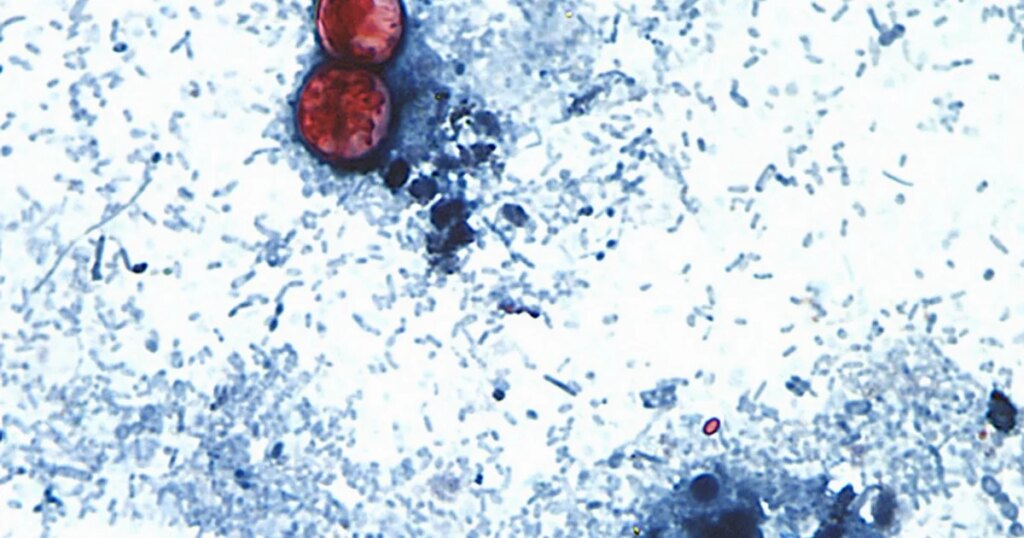
A significant health concern has emerged in the United States as parasitic illness cases linked to recalled iceberg lettuce have now been confirmed in 20 states. Federal health officials reported the largest outbreak of cyclosporiasis in recent history, with over 11,400 cases attributed to this contamination. The outbreak has raised alarms not only due to the growing number of infections but also because it has already led to two deaths in Michigan, prompting intense scrutiny of food safety protocols and the response from regulatory agencies.
| Article Subheadings |
|---|
| 1) Expansion of Outbreak Cases and Locations |
| 2) Investigation Focused on Source of Contamination |
| 3) Symptoms and Impact of Cyclospora Infection |
| 4) Health Agencies’ Response and Future Actions |
| 5) Preventative Measures for Consumers |
Expansion of Outbreak Cases and Locations
As of Thursday, federal health officials reported a concerning rise in the number of confirmed cyclosporiasis cases linked to recalled iceberg lettuce. The outbreak, described as the largest of its kind in U.S. history, now encompasses 20 states, including Georgia, Tennessee, and Texas, which were added to the growing list of affected areas. The full list of impacted states includes Arkansas, Iowa, Illinois, Indiana, Kansas, Kentucky, Massachusetts, Maine, Michigan, Missouri, Nebraska, New Hampshire, North Carolina, Ohio, Oklahoma, Pennsylvania, and West Virginia.
The current tally reports over 11,458 individuals have fallen ill due to the outbreak, marking an increase from approximately 10,900 cases reported the previous week. Health officials are particularly alarmed by the emergence of two fatalities associated with this outbreak, both of which occurred in Michigan. Reportedly, the deceased individuals had significant underlying health conditions, which complicates the overall picture of the outbreak’s severity.
Investigation Focused on Source of Contamination
To address the outbreak, investigation efforts are centered on a farm in central Mexico that is operated by Taylor Farms, a major supplier of produce in the United States. This focus emerged after officials from the Food and Drug Administration (FDA) and the Centers for Disease Control and Prevention (CDC) identified the farm as a potential source for contaminated iceberg lettuce. It was discovered that the FDA had last inspected the Mexican facility in question seven years ago, raising concerns about food safety oversight.
Both the FDA and state health officials are working diligently to inspect and test produce from the farm in collaboration with counterparts from the Mexican government. The FDA has stated, “The agency remains confident that all recalled iceberg lettuce related to this specific cyclospora outbreak is off the market.” However, this assurance does little to quell concerns among health professionals and the public alike regarding the potential for further infections as the summer season brings increased risks of foodborne illnesses.
Symptoms and Impact of Cyclospora Infection
Cyclospora is a microscopic parasite that induces cyclosporiasis, which generally presents as watery diarrhea and can lead to frequent, explosive bowel movements. According to the CDC, while outbreaks of cyclosporiasis are less common than other foodborne pathogens like salmonella and E. coli, they still pose a significant public health risk. It is also noted that many cases may not be linked to a specific food source, complicating healthy identification and prevention efforts.
Earlier this week, the CDC reported that in 2023 alone, there have been approximately 17,180 confirmed cyclosporiasis cases in the United States, with 922 resulting in hospitalizations. The current outbreak significantly surpasses previous years; for instance, 2019 marked the worst year for infections, tallying roughly 4,700 reported cases nationally. The gravity of this situation necessitates heightened awareness and preventive action among consumers and food preparers.
Health Agencies’ Response and Future Actions
In light of the outbreak’s expansion and serious outcomes, health agencies are ramping up their response action plans. The FDA and CDC are collaborating closely to ensure that stringent regulatory measures are adhered to in the traceability and safety of produce, particularly imported goods. Continuous inspections and testing of produce from the implicated farm will remain a priority as part of ongoing efforts to understand the broader implications of the outbreak.
Officials have been proactive in communicating with the public about the risks associated with consuming iceberg lettuce linked to this outbreak. Educational campaigns are being developed with the intent of informing consumers about the signs of cyclosporiasis, and how to protect themselves when handling and consuming fresh produce. The agencies are also considering increased regulatory measures around farms that have previously had food safety violations.
Preventative Measures for Consumers
In the interim, health officials recommend several preventative measures for consumers to minimize the risk of foodborne illness. Washing hands thoroughly before and after handling any produce, purchasing lettuce only from reputable sources, and avoiding recalled products are crucial steps individuals can take to protect their health. Consumers are also advised to stay informed about outbreaks and recalls through trusted public health agencies, which offer timely updates on food safety issues.
As a community, vigilance is necessary in the face of rising foodborne illness cases. Public health education campaigns are vital in raising awareness about food safety practices and promoting proactive measures among consumers to keep themselves and their families safe from outbreaks like the one currently affecting multiple states.
| No. | Key Points |
|---|---|
| 1 | Cases of cyclosporiasis linked to recalled iceberg lettuce have been confirmed in 20 states. |
| 2 | Federal health officials have reported over 11,400 individuals affected by this outbreak. |
| 3 | Investigation efforts are focused on a central Mexican farm operated by Taylor Farms. |
| 4 | Cyclospora infection presents symptoms that include watery diarrhea and can lead to significant health risks. |
| 5 | Health agencies are enhancing inspection protocols and public health education to prevent future outbreaks. |
Summary
In summary, the alarming spread of cyclosporiasis linked to recalled iceberg lettuce has resulted in significant public health concerns across 20 states, with health agencies ramping up investigations and consumer guidance. As the number of reported cases continues to rise, the spotlight is on the processes governing food safety, particularly concerning imported produce. The ongoing collaboration between the FDA, CDC, and state health officials is vital for addressing this outbreak and safeguarding public health in the future.
Frequently Asked Questions
Question: What is cyclosporiasis?
Cyclospora is a parasitic infection caused by a microscopic parasite that is commonly present in contaminated food or water. It is particularly known for causing watery diarrhea, which can lead to dehydration and lengthy illness.
Question: What are the symptoms of a cyclospora infection?
Symptoms of a cyclospora infection typically include watery diarrhea, frequent bowel movements, stomach cramps, nausea, and fatigue. In severe cases, individuals may experience prolonged illness and require medical attention.
Question: How can consumers protect themselves from foodborne illnesses?
Consumers can protect themselves by washing their hands thoroughly before handling food, washing all produce, and staying informed about any food recalls or outbreaks reported by health agencies. Buying produce from reputable sources and avoiding potentially contaminated items is also key to reducing risk.