
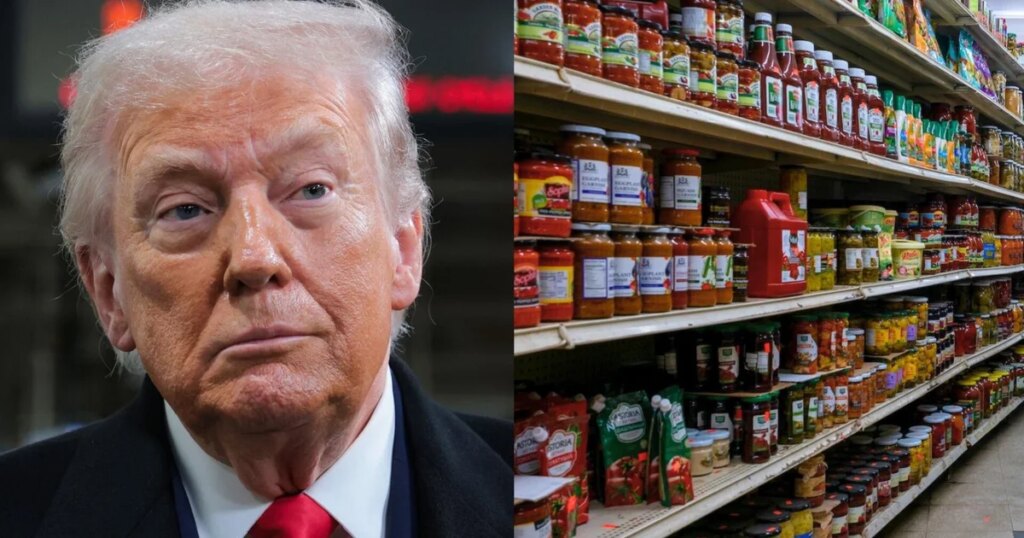
In the lead-up to the 2024 midterm elections, President Trump’s campaign promises to reduce the cost of living for Americans are casting shadows over the current economic realities that many citizens face. Despite a backdrop of solid economic growth and historically low unemployment rates, a recent poll indicates that nearly 90% of Americans believe rising prices are impacting their views on the economy. With inflation rates remaining high and various consumer costs increasing, public frustration is on the rise as many Americans feel squeezed financially, raising critical concerns regarding the effectiveness of current economic policies.
| Article Subheadings |
|---|
| 1) Economic Promises vs. Reality |
| 2) Factors Driving Inflation |
| 3) Areas of Consumer Discontent |
| 4) Government Responses and Consequences |
| 5) Future Economic Outlook |
Economic Promises vs. Reality
During the 2024 election campaign, President Trump made bold claims regarding his economic strategy, vowing to lower both gasoline prices and mortgage rates significantly. Trump’s assertion that gas prices would fall below $2 per gallon and mortgage rates would stabilize around 2% resonated with many Americans who were grappling with rising costs. However, two years post-presidency, the realities observed are starkly different. Prices for some necessities have surged, leaving consumers frustrated and questioning the effectiveness of Trump’s economic strategies.
Recent polls indicate that 90% of the American electorate considers rising costs their primary concern when evaluating the economy. Despite favorable economic growth figures and low unemployment rates, personal finance struggles are front and center for many families. The gap between Trump’s pledges and the financial condition that tripled for a significant portion of the population leads to rising dissatisfaction.
Factors Driving Inflation
The issues fueling inflation in America are multi-faceted and not entirely novel—many began before Trump’s return to the White House in 2025. Economists have highlighted the compounded challenges stemming from post-pandemic inflation over the past five years, which has led to increased costs across various sectors. In addition to pre-existing conditions, Trump’s different policies have played a role in complicating the economic landscape.
One specific approach that garnered scrutiny was his tariff regime, which research from the Federal Reserve Bank of New York suggests contributed approximately 2.9 percentage points to inflation by February. Tariffs generally lead to increased costs for imported goods, pushing consumer prices higher. In light of these findings, analysts argue that without imposed tariffs, prices would likely have decreased, lending further complexity to Trump’s initial promises of reducing consumer costs.
The geopolitical landscape has also played a considerable role. Trump’s decision to directly confront Iran has resulted in destabilizing conflicts that disrupted oil transport routes, subsequently leading to increased oil prices. Economists emphasize that uncertainty from such conflicts can significantly affect global energy markets, translating to higher prices not only at the gas pump but also for consumer goods reliant on logistic chains that include diesel costs.
Areas of Consumer Discontent
Amid rising consumer prices, various sectors have showcased starkly contrasting trends. Grocery prices alone have risen 4% since November 2024. Economists stress that this rise in food prices builds on a staggering 23% surge recorded in the previous four years, further straining household budgets. The cumulative effect is pronounced, as many consumers recall prices from a few years prior, breeding surprise and concern each time they shop.
The gasoline crisis is another focal point, as consumers face steep increases at the pump—a situation aggravated by the recent U.S. military actions in Iran. Gas prices as of early October stood at an average of $4.37 per gallon—a 47% increase since late February—and currently hover at record highs for the month. Additional pressures in the transportation sector, particularly the crippling cost of diesel fuel at $6.28 per gallon, mean that prices across the board are influenced heavily by transportation rates, be it groceries or consumer goods.
Government Responses and Consequences
In response to rising economic pressures, the Biden administration posits that they have made strides in mitigating inflation—an assertion countered by substantial evidence of ongoing affordability challenges. Officials assert that Trump’s previous policies helped stave off a more significant inflation crisis, a narrative that seeks to reconcile positive job creation figures with negativity surrounding rising prices.
White House representatives have pointed to initiatives such as tax cuts for working-class citizens, reductions in prescription drug prices, and the creation of over one million private sector jobs. Despite these claims, many voters remain skeptical about whether tangible benefits have reached their households. Numerous proposals voiced during Trump’s campaign, such as caps on credit card interest rates, have faced significant hurdles—demonstrating discrepancies between political promises and legislative action.
Future Economic Outlook
As the 2024 midterm elections approach, the economic outlook remains uncertain, with crucial implications for voter sentiment. Many Americans continue to feel the strain as costs escalate and financial relief seems elusive. While the rhetoric surrounding economic prosperity may rebound in campaign speeches, actual conditions reflect challenges that may frustrate voters further.
Looking ahead, discussions surrounding various economic policies, whether they pertain to energy, healthcare, or housing, will shape voters’ perceptions. And while some sectors may witness improvements, substantial obstacles remain before widespread relief is felt. Industry experts project that ongoing challenges—including rising energy costs linked to geopolitical instability—will continue to impede comprehensive recovery.
| No. | Key Points |
|---|---|
| 1 | President Trump’s campaign promises to lower fundamental living costs starkly contrast with rising prices post-election. |
| 2 | Inflation rates have steadily affected consumer prices across various sectors, including food, energy, and housing. |
| 3 | Geopolitical conflicts and trade policies have contributed significantly to rising inflation, challenging Trump’s promises. |
| 4 | Consumer sentiment remains low due to high costs, prompting concerns leading into the midterm elections. |
| 5 | Government responses to inflation challenge perceptions of economic growth amid rising prices affecting everyday Americans. |
Summary
The contrast between the economic realities faced by Americans and the promises made by President Trump in 2024 highlights significant challenges leading up to the midterm elections. As consumer prices remain elevated, the importance of economic policy will continue to be central in shaping public opinion. Addressing inflation and improving affordability are paramount concerns for many voters. The evolving economic narrative will play a crucial role in influencing voter behavior and shaping future policies.
Frequently Asked Questions
Question: What are the current inflation rates in America?
Inflation is projected to have risen to an annual rate of 3.6% in September 2025, up from 3.4% the month prior, which is notably above the Federal Reserve’s 2% target.
Question: How have gasoline prices changed since early in the year?
Gas prices have surged significantly since U.S. military actions in late February, with the national average reaching approximately $4.37 per gallon by early October, marking a 47% increase since then.
Question: What impact has the war in Iran had on consumer costs?
The ongoing conflict in Iran has disrupted oil shipments, contributing to increased fuel prices which subsequently elevate consumer costs across various sectors, including food and transportation.