
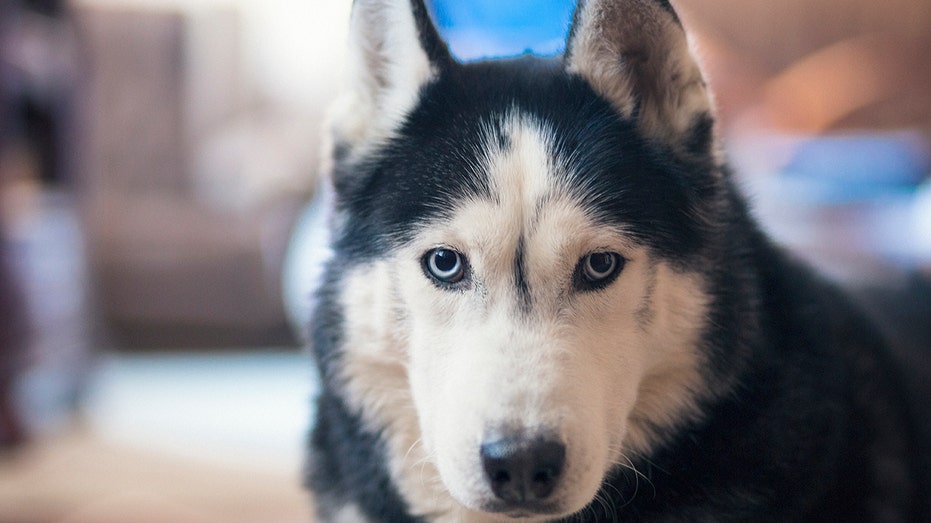
A 2026 report identifies the animal most likely to kill people in each U.S. state, revealing a wide range of threats from snakes and bears to dogs and marine creatures. Snakes form the largest category, leading the list in 14 states, while bears, deer and other large mammals account for many additional states. Coastal regions face risks from sharks, jellyfish-like marine animals and alligators. The findings also identify insects, spiders, coyotes and dogs as the leading animal threats in several states.
The report reflects the animal identified as the greatest danger in each state, rather than a nationwide ranking of total deaths. Its results highlight how local wildlife, geography and exposure shape the risks residents may encounter.
Article Subheadings
| 1) | Snakes lead the national threat list |
| 2) | Venomous insects and spiders create localized risks |
| 3) | Marine animals and alligators dominate several states |
| 4) | Large mammals remain a major concern |
| 5) | Dogs and coyotes show the role of familiar animals |
Snakes lead the national threat list
Snakes are listed as the deadliest animals in 14 states, more than any other category. Rattlesnakes lead in Georgia, Oklahoma, Connecticut, Kansas, California, Arizona, North Dakota, Nevada and Michigan. The specific species named include the pygmy rattlesnake in Georgia, western pygmy rattlesnake in Oklahoma, timber rattlesnake in Connecticut and Kansas, southern Pacific rattlesnake in California, western diamondback rattlesnake in Arizona, prairie rattlesnake in North Dakota, Mojave rattlesnake in Nevada and eastern massasauga in Michigan.
Other venomous snakes top the list elsewhere. Louisiana identifies the eastern diamondback snake, Mississippi the cottonmouth, Indiana the eastern copperhead, South Carolina the southern copperhead and Hawaii the yellow-bellied sea snake. These results reflect the species associated with each state’s greatest reported animal threat.
Venomous insects and spiders create localized risks
Several states have insects or spiders as their leading concern. Wasps rank first in Iowa, ticks in Missouri and mosquitoes in New York. Black widow spiders are identified as the deadliest animals in Alabama and Nebraska.
These findings show that serious animal risks are not limited to large predators. Small biting and stinging creatures can affect people in homes, yards, outdoor areas and other places where residents encounter them. Together, wasps, mosquitoes, ticks and spiders account for five states in the report’s broader classification of biting and stinging arthropods.
Marine animals and alligators dominate several states
The report identifies marine hazards as the leading threats in five states. Tiger sharks top the list in Rhode Island, while bull sharks are listed for Maryland and Virginia. The Portuguese man o’ war, a jellyfish-like marine creature, is named in Delaware and North Carolina.
The Portuguese man o’ war can cause painful welts and skin irritation, and its sting can be deadly in rare cases. Alligators are listed as the deadliest animals in Florida and Texas, with the American alligator specifically identified in Florida. The results underscore how coastal waters, beaches, rivers and wetlands shape animal risks.
Large mammals remain a major concern
Large mammals lead the list across many states. Moose are identified in Colorado, Maine, New Hampshire and Vermont. Grizzly bears top the list in Idaho, Montana and Washington, while black bears are named in Tennessee and Wisconsin. North American black bears lead in Oregon, and American black bears in Kentucky and Massachusetts.
Mountain lions are listed in New Mexico. Bison are the leading threat in South Dakota and Wyoming, while whitetail deer are identified in Arkansas, Ohio, West Virginia and Pennsylvania. Deer and other large ungulates account for 10 states overall, showing that collisions or encounters with familiar wildlife can be significant concerns alongside attacks by predators.
Dogs and coyotes show the role of familiar animals
Dogs are listed as Alaska’s deadliest animal, despite being common household pets. Coyotes lead the list in Illinois, Minnesota, New Jersey and Utah. Canines, including dogs and coyotes, account for five states in total.
The Alaska finding illustrates that the most concerning animal can vary according to local conditions and exposure, rather than public perception alone. Across the full report, bears threaten eight states, while marine hazards account for five. The categories demonstrate that residents may face different risks depending on whether they live near forests, mountains, farmland, wetlands or the coast.
Key Points
| 1 | Snakes lead the list in 14 states. |
|---|---|
| 2 | Bears are identified as the leading threat in eight states. |
| 3 | Deer and other large ungulates account for 10 states. |
| 4 | Dogs, coyotes, insects, spiders and marine hazards each shape risks in multiple states. |
Summary
The 2026 state-by-state report shows that animal dangers vary sharply across the United States. Snakes are the most widespread leading threat, but local conditions also elevate the risks from bears, deer, alligators, sharks, insects, dogs and coyotes. The findings provide a broad snapshot of the animals most associated with fatal danger in each state, rather than a measure of every animal encounter or total national death toll.
Frequently Asked Questions
Which animal leads the list in the most states?
Snakes lead the list in 14 states, making them the largest single category in the report.
Where are moose identified as the leading threat?
Moose are listed in Colorado, Maine, New Hampshire and Vermont.
Which states list alligators as their greatest animal threat?
Alligators top the list in Florida and Texas. The American alligator is specifically identified for Florida.