
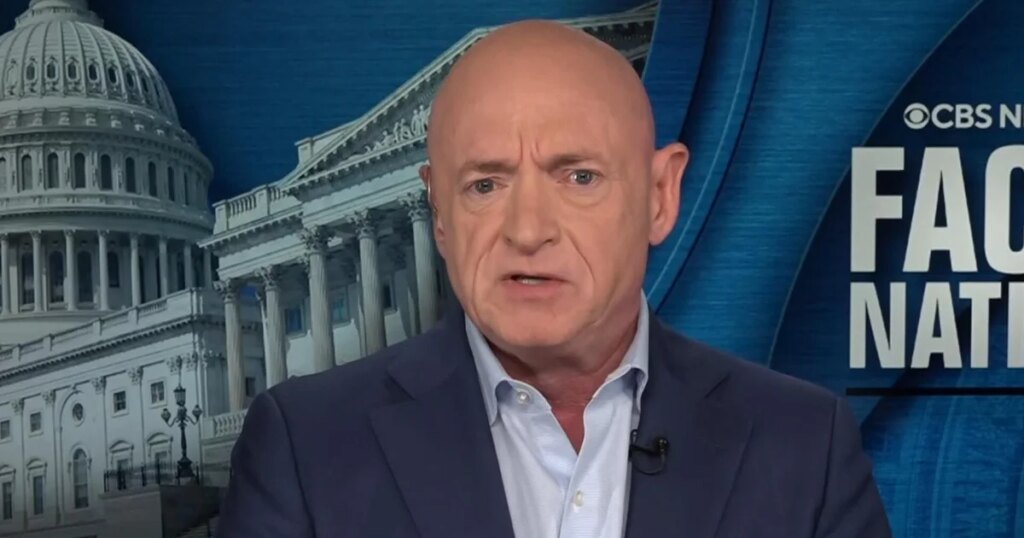
In a recent interview, Democratic Senator Mark Kelly of Arizona discussed the escalating conflict in the Middle East amid mounting domestic challenges. He expressed dissatisfaction with the Biden administration’s handling of the war, criticizing its military strategies and lack of coherent objectives. As the war drags on past initial expectations, Kelly’s comments reflect concerns about foreign policy direction and its implications for the upcoming midterm elections.
| Article Subheadings |
|---|
| 1) Senator Kelly’s Critique of Military Strategy |
| 2) Domestic Challenges Amidst War |
| 3) The Impact of Polling Data on the Democratic Party |
| 4) The Role of Funding in Military Operations |
| 5) Future Outlook for the Democratic Party |
Senator Kelly’s Critique of Military Strategy
During the interview, Senator Mark Kelly made several statements regarding President Biden’s military strategy in the ongoing conflict with Iran. He emphasized the lack of clear objectives in the administration’s military campaign, noting that the war has exceeded the initial timeframe expected by U.S. officials. The senator stated,
“This is a president who has an approach that’s rather erratic, escalating things rather than de-escalating them.”
Kelly expressed concerns over the president’s handling of the situation, particularly highlighting an inconsistency between rhetoric and action.
The senator pointed to the frustration felt not only among military personnel but also among veterans, some of whom are struggling financially as a result of rising living costs. Kelly stated,
“We’ve got 18 dead Americans. Prices have skyrocketed across the country for the American people.”
He pointed out that with no clear roadmap, the administration’s military actions could lead to further chaos, complicating diplomatic efforts and endangering U.S. resources.
Domestic Challenges Amidst War
The complexities of the war have repercussions not just internationally but also on the domestic front. Senator Kelly noted that the economic impacts of the conflict are being felt across America, highlighting rising gas prices and food costs. “I met with some veterans the other day, and they’re struggling,” he remarked, indicating broader challenges faced by everyday citizens as they grapple with economic strain. According to polling data, this discontent is beginning to reflect in the approval ratings of the administration as well as the Democratic Party.
As the war continues, the costs associated with military spending also weigh heavily on public opinion. The senator asserted that the current administration is “not dealing with the issues that the American people need him to deal with.” He contended that while military preparedness is crucial, it should not come at the expense of domestic welfare, which is increasingly at risk due to financial burdens stemming from unified military engagement.
The Impact of Polling Data on the Democratic Party
Polling data reveals troubling trends for the Democratic Party as they face a critical midterm election season. Senator Kelly acknowledged the challenges posed by these numbers, citing a CBS poll that showed only 30% of respondents felt the Democratic approach to Iran was effective, compared to 32% for Republicans. This gap poses a significant challenge for Democratic candidates looking to regain ground heading into the elections.
Kelly emphasized that despite these difficulties, there remains an opportunity for Democrats to present a united front.
“We have an opportunity to win back the House,”
he stated optimistically, indicating that unified action and revised messaging could aid their electoral fortunes. The senator highlighted that uniting around a common vision for the future could help mitigate the challenges posed by negative polling, especially since inflation and economic stagnation are hot topics in the current political arena.
The Role of Funding in Military Operations
Amidst broader discussions of military strategy, budgetary concerns also emerged as a critical talking point. Senator Kelly raised concerns over the Pentagon’s request for additional funding—specifically a $67 billion supplemental for military operations. He stated,
“Last year we passed a defense budget that was over a trillion dollars… now they’re coming and they’re asking for $1.5 trillion.”
Kelly indicated that such exorbitant funding requests do not align with the fiscal realities confronting the nation, which now carries over $39 trillion in debt.
The senator insisted that financial responsibility must be a priority, arguing against a lack of accountability in military spending. He noted that the request for funds represents a departure from what he believes should be an effective investment in U.S. defense capabilities. Kelly calls for a more reasonable approach that prioritizes both military efficacy and the financial realities faced by American citizens.
Future Outlook for the Democratic Party
Looking ahead to the midterm elections, Senator Kelly expressed cautious optimism about the Democratic Party’s chances. He acknowledged the challenges caused by unfavorable polling but pointed out that several candidates in key states have the potential to transform the electoral landscape. According to him, the current discontent with the administration could present an opening for Democrats to regain control of the Senate.
Despite the multiple headwinds, which include Republican gerrymandering and internal party divisions, Kelly remains hopeful. He expressed confidence that voters would resonate with the Democrats’ ability to address pressing economic concerns effectively. With approximately 90 days until elections, the senator emphasized the need for focused messaging centered on providing solutions to everyday Americans as they weigh their options at the ballot.
| No. | Key Points |
|---|---|
| 1 | Senator Mark Kelly criticized the Biden administration’s military strategy in the ongoing conflict with Iran. |
| 2 | Rising costs due to the war are impacting everyday Americans significantly. |
| 3 | Polling data shows a grim outlook for the Democratic Party as midterm elections approach. |
| 4 | Senator Kelly expressed concerns over excessive military funding requests amid national debt. |
| 5 | Despite challenges, Kelly remains optimistic about reclaiming seats in the upcoming elections. |
Summary
Senator Mark Kelly articulated significant concerns over the Biden administration’s military strategy and its implications for both foreign policy and domestic issues. With rising economic challenges weighing on the public, the senator’s critique not only reflects broader dissatisfaction within his party but also signals crucial competitiveness as the midterms approach. As Democrats grapple with internal challenges and unfavorable polling, Kelly’s insights highlight potential strategies for revitalizing the party’s image through focused messaging and effective leadership.
Frequently Asked Questions
Question: What challenges are facing the United States in the current conflict with Iran?
The U.S. is facing multiple challenges, including a lack of clear military objectives and rising casualties, alongside growing public dissatisfaction with the war’s economic impact.
Question: How is the Biden administration’s approval rating affected by the ongoing war?
Public opinion polls reflect a decline in approval ratings for President Biden and the Democratic Party, particularly in the context of handling foreign conflicts and domestic economic issues.
Question: What role does funding play in military operations according to Senator Kelly?
Senator Kelly emphasizes the need for responsible funding practices, criticizing requests for excessive military budgets while the country navigates significant national debt.