
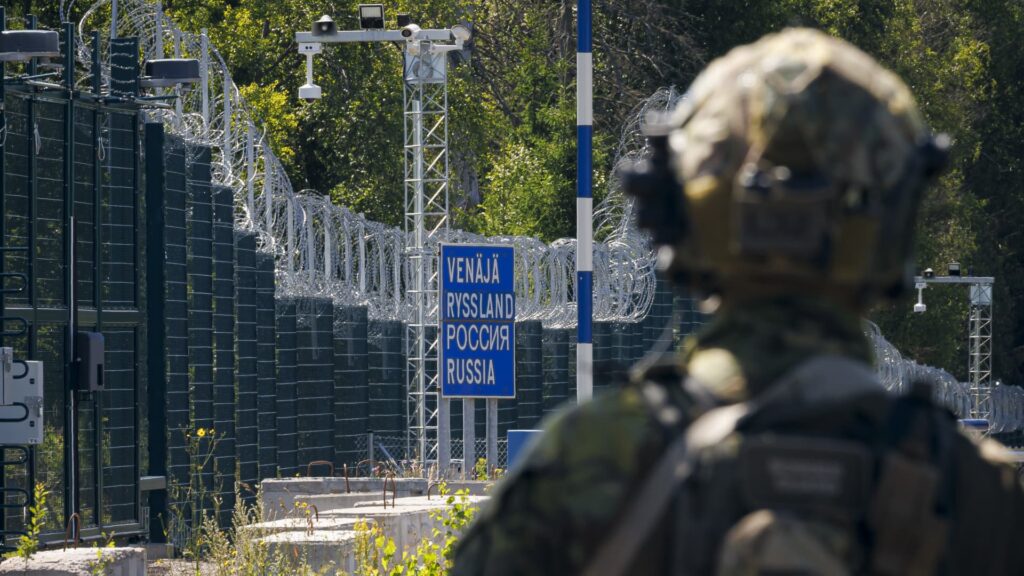
Danish intelligence officials have raised alarms regarding a potential “limited” military attack by Russia against a NATO member in the upcoming months. This warning follows a new threat assessment from the Danish Defence Intelligence Service (DDIS), which indicates a growing willingness from the Kremlin to take risks amid the prolonged war in Ukraine. The report emphasizes the likelihood of isolated strikes targeting critical infrastructure, as well as the potential for hybrid warfare tactics to create discord within NATO and redirect European resources.
| Article Subheadings |
|---|
| 1) Warning from Danish Intelligence |
| 2) Potential Targets for Attacks |
| 3) Polish Sabotage Allegations |
| 4) Russia’s Hybrid Warfare Strategy |
| 5) The Broader Implications for NATO |
Warning from Danish Intelligence
The DDIS, in its latest report, has expressed concern over a “low but growing risk” that Russia might conduct limited military strikes against NATO members. These warnings stem from an analysis of Russia’s evolving military strategies since the onset of the war in Ukraine over four years ago. As tensions heighten and NATO continues to bolster its support for Ukraine, the Danish intelligence officials believe Russia is becoming increasingly audacious and willing to engage in provocative military actions.
The report highlights that a limited military attack would serve as a means for Russia to create uncertainty and fear within the NATO alliance and to distract European nations from their support for Ukraine. The intelligence service clarified that while they do not currently foresee a full-scale invasion of any NATO country, they cannot completely rule out such an occurrence in the future.
Potential Targets for Attacks
According to the DDIS, the most likely targets of any Russian strikes would be critical infrastructure, which plays a vital role in supporting Ukraine’s defense capabilities. This includes facilities that enable logistical and operational functions essential for NATO’s endeavors in Eastern Europe. The agency warns that these attacks may employ long-range weapons to minimize the risk of direct engagement, thus maintaining an ambiguous level of accountability for Russia’s actions.
As part of this assessment, the Danish intelligence service noted that Russia could also consider deploying a limited number of troops, possibly without national insignia, into NATO countries along its borders. However, such troop movements might be publicly observable, making it challenging for Russia to disguise these activities.
Polish Sabotage Allegations
In a related development, Poland’s government has put forth allegations of sabotage following a fire at a Starlink ground station, which they suspect is linked to a broader strategy of disruption aimed at Ukraine’s military communications. Polish Deputy Prime Minister Krzysztof Gawkowski emphasized that while the precise origins of the fire remain under investigation, “many signs suggest this aligns with Russia’s new doctrine of attack.” This incident has raised further concerns about Russia’s intentions in the region and underscores the complexities of security cooperation among NATO allies.
The Polish government has taken the allegations seriously, asserting that these types of sabotage acts reflect the changing landscape of military engagement that Russia may employ as the conflict continues to rage in Ukraine. Any attempts to destabilize infrastructure critical to Ukraine’s defense are seen as a direct challenge to NATO’s collective security commitments.
Russia’s Hybrid Warfare Strategy
The DDIS’s assessment aligns with ongoing concerns voiced by other European security officials regarding Russia’s hybrid warfare tactics. The intelligence service cautioned that Russia is likely to escalate its hybrid warfare approach, potentially conducting more attacks on NATO countries that could have profound impacts on societal functions. These hybrid tactics may include major cyberattacks designed to disrupt essential services.
Russia’s previous hybrid assaults have raised the stakes, particularly concerning critical infrastructures like energy grids, transportation systems, and healthcare services. The DDIS emphasizes that the consequences for targeted countries may be more severe than in earlier confrontations. As these threats evolve, NATO members must collaborate more closely to develop responses to emerging dangers.
The Broader Implications for NATO
The increasing incidence of provocative actions by Russia symbolizes a precarious juncture for NATO. The alliance faces the daunting task of consolidating its member states’ defenses while simultaneously managing internal dynamics and addressing public perceptions regarding collective security. The degree to which NATO can effectively coordinate a unified response against Russian threats could significantly influence the alliance’s credibility.
As tensions continue to rise, it is imperative that NATO reassess its strategies, emphasizing resilience and readiness among member nations. Furthermore, fostering deeper relationships within the alliance could play a crucial role in countering any attempts by Russia to exploit divisions or vulnerabilities among NATO members. Ensuring sustained support for Ukraine, alongside robust deterrence strategies, will remain central to NATO’s mission moving forward.
| No. | Key Points |
|---|---|
| 1 | Danish intelligence warns of a potential limited military strike by Russia against NATO members. |
| 2 | The report identifies critical infrastructure as a likely target for attacks. |
| 3 | Poland alleges sabotage linked to Russian strategies, intensifying security concerns. |
| 4 | Hybrid warfare tactics from Russia may escalate, threatening critical societal functions. |
| 5 | NATO must enhance coordination and strategy to counter potential threats from Russia. |
Summary
As tensions continue to escalate between NATO and Russia, the warnings issued by the Danish Defence Intelligence Service signal a crucial moment for the alliance. The potential for limited military attacks and hybrid warfare tactics presents significant challenges for NATO and its member states. Enhancing cohesion and readiness while supporting Ukraine remains essential for countering threats and securing regional stability in the face of possible Russian provocations.
Frequently Asked Questions
Question: What does the Danish intelligence report indicate about potential Russian actions?
The report suggests that there is a low but growing risk of Russia launching limited military attacks against NATO members, targeting critical infrastructure that supports Ukraine’s defense.
Question: What type of sabotage incident occurred in Poland?
Poland’s government reported a fire at a Starlink ground station, which they suspect was an act of sabotage aimed at disrupting internet services for Ukraine’s military.
Question: How may Russia’s hybrid warfare strategy affect NATO countries?
Russia’s hybrid warfare strategies may include cyberattacks and sabotage, potentially resulting in severe disruptions to vital societal functions in targeted NATO countries.