
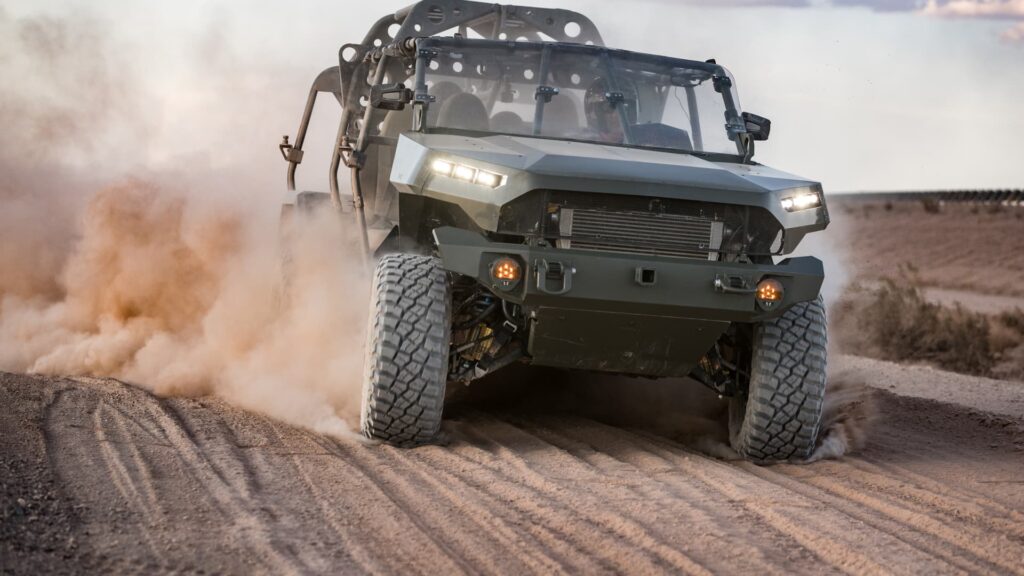
General Motors (GM) and Ford Motor Company are shifting their competitive focus from traditional automobile markets to defense contracting and energy storage systems, as both companies seek to diversify amid changing consumer demands and potential revenue slowdowns. In a strategic pivot, GM has reestablished its defense unit and won significant military contracts, while Ford is positioning itself in the energy market with ambitious plans. Analysts suggest these moves may help both automakers mitigate risks and capitalize on burgeoning sectors as they navigate the evolving landscape of the automotive industry.
| Article Subheadings |
|---|
| 1) The Evolving Automotive Landscape |
| 2) Energy Storage Systems Market Potential |
| 3) GM’s Defense Strategy |
| 4) Ford’s Growth in Energy Sector |
| 5) Future Implications and Outlook |
The Evolving Automotive Landscape
General Motors and Ford Motor Company have been two dominant forces in the automotive industry for over a century. Their competition historically revolved around racing, sales figures, and technological advancements. However, the landscape is changing as both companies now focus on defense contracting and the energy market. The transition was spurred by the U.S. government’s call for expertise in mass manufacturing techniques, initially communicated during the Trump administration. As traditional vehicle sales plateau, GM and Ford are exploring these new frontiers to maintain growth and innovation.
In 2023, both organizations intensified their efforts to secure military contracts, recognizing the potential for significant revenue streams. The pivot represents a strategic shift as they aim to diversify their business operations and bolster financial stability amid declining demand for traditional automotive products. Collaboration with federal agencies could provide both firms with unique growth opportunities, as military contracts often require advanced engineering and large-scale production capabilities, areas where these automakers excel.
Energy Storage Systems Market Potential
Another promising avenue for revenue growth lies within the energy storage systems (ESS) market. Analysts predict that this sector could experience unprecedented growth, with estimates projecting it could climb from $668.7 billion in 2024 to a staggering $5.12 trillion by 2034. The energy landscape is evolving quickly, driven by increasing energy costs for consumers and the growth of data centers that demand robust energy solutions.
As both GM and Ford delve deeper into the ESS market, they are leveraging their existing expertise in battery technology. The components used in electric vehicle batteries can be repurposed for energy storage systems, allowing the companies to tap into parallel markets, thereby enhancing profitability. For instance, GM has already established a partnership with LG Energy Solution to produce battery cells, which can play a crucial role in energy storage applications.
Ford is not far behind in this arena, having announced plans to invest $2 billion into launching its energy business. This includes converting existing facilities to manufacture energy storage units. As energy storage becomes more integral to the U.S. energy grid, the strategic investments made by these automakers could place them in favorable positions to capitalize on this burgeoning market.
GM’s Defense Strategy
On the defense front, GM has been proactive, having reactivated its defense division in 2017 after a 14-year hiatus. This move enabled GM to engage in multiple projects with the U.S. military, which has culminated in a recent contract with the U.S. Army for the production of infantry squad vehicles (ISVs). This contract, potentially valued at over $1 billion, reflects GM’s commitment to integrating its automotive manufacturing capabilities with military needs.
During a recent earnings call, GM CEO Mary Barra expressed optimism about the growth trajectory of their defense division. She underscored the potential for enhancing revenue from this sector, targeting an increase of almost $700 million by 2026. By collaborating with established defense contractors like Lockheed Martin, GM is looking to expand its technological capabilities and further solidify its role in the defense industry.
The importance of domestic manufacturing was also highlighted by military officials, citing potential security challenges associated with foreign involvement in defense production. This emphasis on domestic capabilities aligns well with the strengths of traditional automakers like GM and Ford and could foster national security objectives.
Ford’s Growth in Energy Sector
Ford’s actions indicate a strategic intent to establish a foothold in the energy market as well. With plans for substantial investment in an energy business, including the construction of new facilities dedicated to ESS production, Ford aims to diversify its product offerings. The company recently announced the conversion of its Kentucky battery factory to produce components for energy storage by late 2027.
Moreover, Ford is pursuing opportunities to integrate its energy initiatives with electric vehicle production. As electric vehicles become more commonplace, Ford’s ESS segment is anticipated to become a critical driver of profitability within its Model e electric vehicle segment, which has flagged significant losses in previous years. The company hopes that the ESS business, set to launch in a few years, will contribute positively to its financial recovery and stability.
Ford CEO Jim Farley noted in a recent earnings call that the ESS production capacity is already in high demand. This positive outlook demonstrates an awareness of the growing energy needs of consumers and the role that Ford can play in filling this market gap while utilizing existing manufacturing capabilities.
Future Implications and Outlook
The strategic pivots by GM and Ford into defense contracting and energy markets may not yield massive immediate revenue increases but are seen as essential steps for long-term sustainability. As consumer preferences shift and the automotive market evolves, diversifying operations is increasingly crucial for survival.
Industry analysts believe that while these new sectors may represent small portions of overall revenue initially, they could serve as complementary ventures to traditional automotive operations. The transition towards energy solutions and defense contracts may help mitigate risks associated with a slowing automotive market, particularly as vehicle sales begin to plateau.
Reflecting on the evolving business landscape, experts suggest that the entry of traditional automakers into these new fields marks a significant shift in the industrial fabric. As both companies solidify their positions in the defense and energy markets, they may well redefine their roles in modern industrial society.
| No. | Key Points |
|---|---|
| 1 | GM and Ford are diversifying their operations into defense contracting and energy storage systems. |
| 2 | The energy storage systems market is expected to grow significantly over the next decade. |
| 3 | GM has already secured substantial contracts with the U.S. military, focusing on infantry vehicles. |
| 4 | Ford plans to invest in energy storage facilities to complement its electric vehicle operations. |
| 5 | The shifts into defense and energy markets may help both companies address slowing vehicle sales. |
Summary
The strategic diversifications embarked upon by GM and Ford into the defense and energy markets underscore a proactive response to the evolving demands placed upon the automotive industry. As both companies seek to leverage their expertise for military contracts and energy solutions, they may be well-positioned to navigate the complexities of modern consumer demands and potential revenue declines. Through these initiatives, GM and Ford could redefine their future success and relevance in an ever-changing industrial landscape.
Frequently Asked Questions
Question: What is the energy storage systems market?
The energy storage systems market refers to the sector focused on technologies that store electrical energy for later use, often utilizing battery systems commonly adapted from electric vehicles.
Question: How are GM and Ford planning to enter military contracts?
Both GM and Ford are actively pursuing defense contracts, leveraging their automotive manufacturing competencies to provide military vehicles and support technologies to the U.S. military.
Question: What are the benefits of diversifying into energy and defense?
Diversifying into energy and defense allows automakers to mitigate risks associated with declining traditional car sales, tapping into new, potentially lucrative revenue streams in growing markets.