
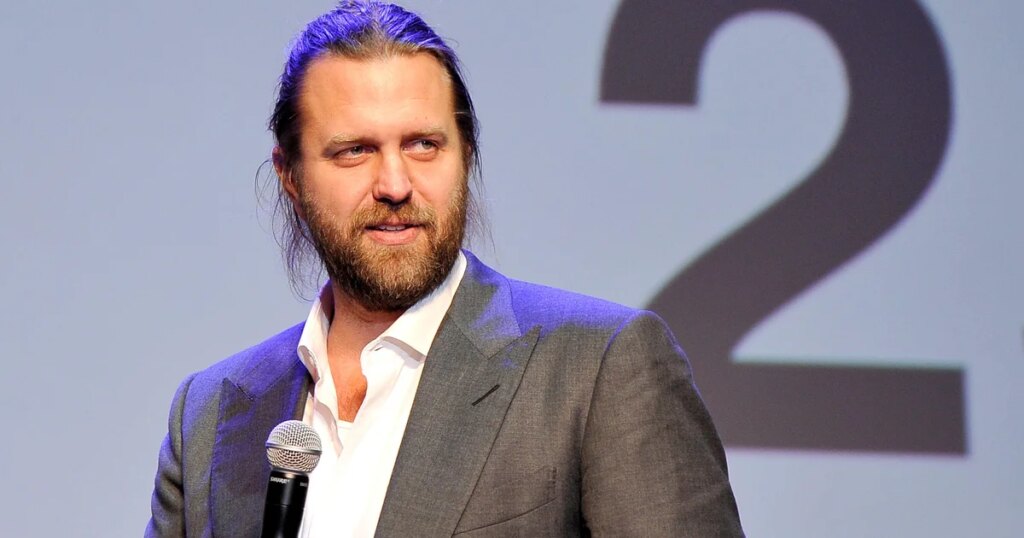
In a significant legal development, Hollywood director Carl Erik Rinsch was found guilty of fraud and money laundering in connection to a failed Netflix project. Prosecutors accused Rinsch of misappropriating $11 million intended for a sci-fi show that never came to fruition, redirecting the funds towards personal luxuries and dubious investments. The verdict raises concerns among artists regarding the implications of contractual disputes in the entertainment industry.
| Article Subheadings |
|---|
| 1) Overview of the Case Against Rinsch |
| 2) The Nature of the Fraudulent Activities |
| 3) The Legal and Financial Repercussions |
| 4) Defense Arguments and Reactions |
| 5) Broader Implications for the Industry |
Overview of the Case Against Rinsch
The case surrounding Carl Erik Rinsch, known for directing the film “47 Ronin,” centers on allegations of wire fraud and money laundering. Prosecutors detailed how Rinsch was initially contracted by Netflix for an ambitious sci-fi series titled “White Horse.” Reports indicate that Netflix had provided him with approximately $44 million, a significant sum for a project that ultimately did not see the light of day. Subsequently, Rinsch requested an additional $11 million, which he claimed was necessary to complete the production. However, instead of channeling these funds into the show, it is claimed that he diverted the money for personal gain.
The Nature of the Fraudulent Activities
According to court documents, Carl Erik Rinsch allegedly misappropriated the $11 million by transferring the funds into a personal account. Once the money was in his possession, the director engaged in a series of failed investments, losing nearly half of the amount within a few months. Prosecutors reported that he subsequently entered the cryptocurrency market, managing to regain some losses, but still diverted the profits to his personal accounts rather than investing them back into the show.
The extravagant spending did not cease with the investments. Details reveal that Rinsch purchased multiple luxury items, including five Rolls-Royces and a Ferrari, along with extravagant expenses on watches and clothing totaling over $652,000. Other lavish purchases included mattresses and luxury bedding valued at nearly $1 million. Federal authorities allege that Rinsch also used funds to pay down around $1.8 million in credit card debts, a move that further solidified the fraudulent nature of his actions.
The Legal and Financial Repercussions
Following the conviction, Rinsch faces a significant setback both legally and financially. His sentencing, scheduled for April, could impose considerable penalties, although the specific terms are yet to be determined. The prosecution has indicated a strict stance on the matter, as U.S. Attorney Jay Clayton emphasized the need for accountability in the entertainment sector. “Today’s conviction shows that when someone steals from investors, we will follow the money and hold them accountable,” said Clayton, reinforcing the seriousness of financial fraud in the industry.
Defense Arguments and Reactions
In the wake of the jury’s decision, Rinsch’s defense has expressed strong dissent against the verdict. His attorney, Benjamin Zeman, contended that the ruling was misguided and could establish a precarious precedent for creative professionals. Zeman expressed concern that artists embroiled in “contractual and creative disputes” with major media companies might find themselves unfairly facing fraud charges. The defense argues that this case could dissuade other creatives from pursuing innovative projects due to fear of legal repercussions.
Broader Implications for the Industry
The fallout from Rinsch’s conviction is likely to resonate through Hollywood and the broader entertainment industry. With increasing reliance on large investments for ambitious productions, the case highlights tensions surrounding financial accountability and ethical obligations. Many industry stakeholders are now contemplating how such fraud cases could impact funding and partnerships in future projects. As the industry evolves, it becomes crucial for filmmakers and studios to navigate contractual landscapes more carefully, ensuring transparency and accountability in their financial dealings.
| No. | Key Points |
|---|---|
| 1 | Carl Erik Rinsch was convicted of fraud and money laundering after misappropriating $11 million from Netflix. |
| 2 | Rinsch diverted funds meant for a sci-fi show into personal luxuries and failed investments. |
| 3 | The case raises significant concerns regarding contractual obligations in the entertainment sector. |
| 4 | Rinsch’s defense claims the verdict may set a dangerous precedent for creative professionals. |
| 5 | The outcome of this case could influence future partnerships and funding opportunities in Hollywood. |
Summary
The conviction of Carl Erik Rinsch serves as a crucial reminder of the intricacies of financial responsibility within the entertainment industry. As filmmakers navigate complex contracts and funding arrangements, it is imperative that they maintain ethical standards to prevent legal repercussions. The broader implications of this case may lead to heightened scrutiny of financial practices among industry professionals.
Frequently Asked Questions
Question: What charges was Carl Erik Rinsch convicted of?
Carl Erik Rinsch was convicted on charges of wire fraud, money laundering, and other related offenses.
Question: How much money did Rinsch misappropriate from Netflix?
Rinsch misappropriated $11 million that was intended for completing a sci-fi show.
Question: What were some of Rinsch’s expenditures with the misappropriated funds?
Rinsch used the funds for luxury purchases, including several Rolls-Royces, a Ferrari, and high-end watches, among other items.