
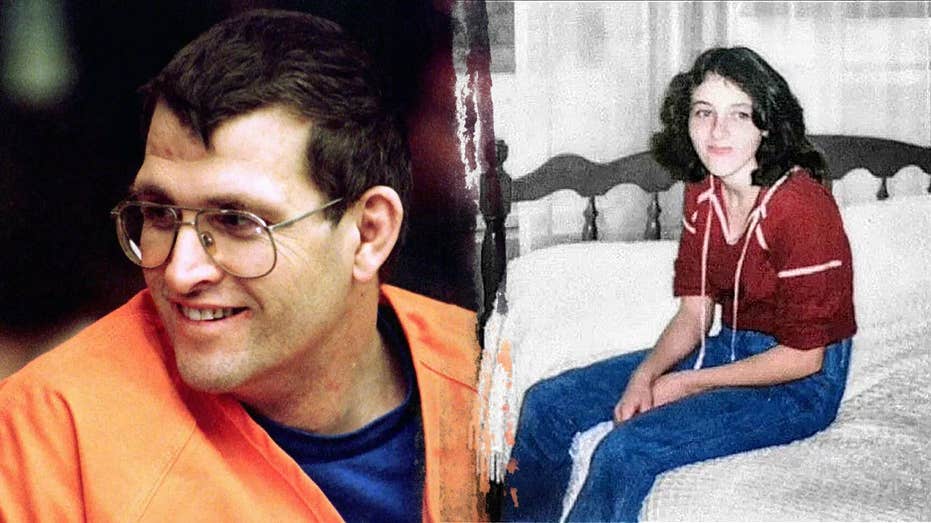
California authorities have identified the final previously unknown victim linked to serial killer Keith Hunter Jesperson nearly 34 years after her remains were found. DNA testing confirmed that the woman known to investigators as “Claudia” was Lydia Jane Wade McWhorter of Texas. Her identification closes the last unidentified-victim case connected to the murders for which Jesperson was convicted.
| 1) | DNA testing confirms the victim’s identity |
| 2) | The 1992 discovery and the name “Claudia” |
| 3) | Genetic genealogy brings investigators to her family |
| 4) | Relatives prepare to honor McWhorter |
| 5) | Identification closes the final related cold case |
DNA testing confirms the victim’s identity
The Riverside County District Attorney’s Office announced the identification on Aug. 27, 2026. Investigators determined that the woman was Lydia Jane Wade McWhorter, a Texas resident whose remains had gone unidentified for decades. A DNA sample from a member of her direct maternal family confirmed the genetic connection earlier in the week, providing the evidence needed for a positive identification.
The confirmation followed a renewed public effort that began in 2024. Investigators had already developed a genetic link to relatives on the victim’s paternal side, but authorities needed a maternal-family connection to verify the result. The new DNA testing resolved that remaining question.
The 1992 discovery and the name “Claudia”
McWhorter’s body was discovered on Aug. 30, 1992, along Highway 95, about seven miles north of Blythe, California. At the time, investigators could not establish her identity and referred to her as “Claudia,” a name supplied by Keith Hunter Jesperson.
Jesperson, a long-haul truck driver, later admitted killing the woman. Authorities were unable to determine whether “Claudia” was her legal name. McWhorter had disappeared from Texas during the 1990s, leaving her sisters without answers about what had happened to her.
Genetic genealogy brings investigators to her family
Riverside County’s cold case investigators used genetic genealogy and traditional investigative work to identify possible relatives. The earlier paternal lead identified Summer Gonzales as the victim’s paternal half-sister. Gonzales had sought to learn her sister’s real name and help return her remains to the family.
An investigative lead eventually directed the team to a direct maternal relative of McWhorter. Investigators then identified a possible genetic connection to another maternal-family member. Testing of that person’s DNA confirmed the relationship and allowed authorities to identify McWhorter nearly 34 years after her remains were found.
Relatives prepare to honor McWhorter
McWhorter’s sisters had spent decades not knowing where she was or what had happened after she vanished from Texas. The identification gives the family an opportunity to make arrangements based on confirmed information rather than continue waiting for answers.
The district attorney’s Division of Victim Services is working with the family as relatives decide how to honor McWhorter and lay her to rest. Billy Hester, supervising investigator of the Cold Case Unit, said public assistance can help investigators connect seemingly unrelated information and expressed hope that the identification would bring closure.
“Most importantly, I hope this will finally bring closure to Lydia’s family,” Billy Hester said.
Identification closes the final related cold case
Jesperson was arrested in 1995 and confessed to killing eight women between 1990 and 1995 in California, Washington state, Oregon, Florida, Nebraska and Wyoming. He became known as the “Happy Face Killer” after sending letters about his crimes to media outlets signed with a smiley face.
Jesperson pleaded guilty to McWhorter’s murder in Riverside County on Jan. 8, 2010, and received a sentence of 25 years to life in prison. He is serving multiple life sentences in Oregon. With McWhorter’s identity confirmed, Riverside County authorities said the cold case team has closed the final unidentified-victim case tied to the murders for which Jesperson was convicted.
| Number | Key Point |
|---|---|
| 1 | The unidentified victim was confirmed as Lydia Jane Wade McWhorter of Texas. |
| 2 | Her remains were found near Blythe, California, on Aug. 30, 1992. |
| 3 | DNA links on both sides of McWhorter’s family helped establish her identity. |
| 4 | Authorities said the identification closes the final related unidentified-victim case. |
Summary
DNA testing has ended a 34-year mystery surrounding the woman known as “Claudia,” confirming her identity as Lydia Jane Wade McWhorter. The result connects her remains to relatives in Texas and provides her sisters with answers about her disappearance. It also completes Riverside County’s efforts to identify every unknown victim connected to the murders for which Keith Hunter Jesperson was convicted.
Frequently Asked Questions
Who was the unidentified victim?
Authorities identified her as Lydia Jane Wade McWhorter of Texas.
When and where were her remains found?
Her remains were found on Aug. 30, 1992, along Highway 95 about seven miles north of Blythe, California.
How was McWhorter identified?
Investigators used genetic genealogy and DNA testing involving relatives on her paternal and maternal sides. A maternal-family DNA sample confirmed the identification.
What does the identification mean for the case?
Riverside County authorities said it closes the final unidentified-victim case connected to the murders for which Keith Hunter Jesperson was convicted.