
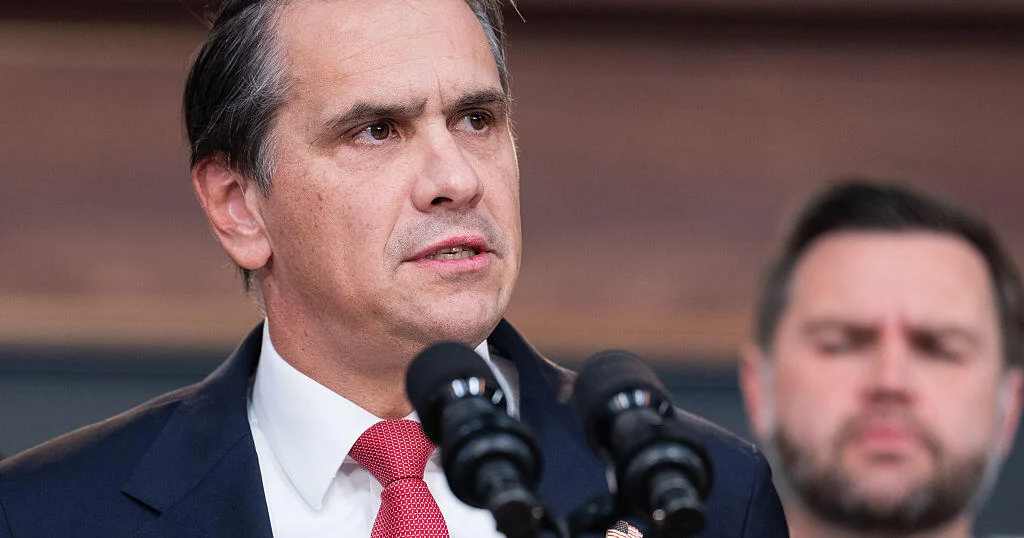
The Justice Department has announced a significant change in its guidelines, permitting senior political appointees, including the attorney general, to engage in political activities. This shift comes in the wake of relaxed restrictions that now allow these officials to participate in rallies, canvassing, and other political functions while acting in a personal capacity. The new memorandum, issued by Assistant Attorney General Jolene Ann Laurie, marks a departure from recent policies that aimed to maintain a non-partisan division between politics and the Department of Justice.
| Article Subheadings |
|---|
| 1) Overview of the New Guidelines |
| 2) Impact on Political Appointees |
| 3) Changes from Previous Policies |
| 4) Critiques and Concerns |
| 5) Implications for Future Elections |
Overview of the New Guidelines
The revised memo from the Justice Department outlines a new set of guidelines for politically appointed officials, which is significant for those in high-level positions such as the attorney general, deputy attorney general, and U.S. attorneys. These officials can now engage in political activities such as speaking at rallies, canvassing for votes, and serving as delegates for national political parties without the stringent restrictions that once bound them. The memo, which appeared to be a direct lift of certain constraints that were previously standardized, specifically exempts these presidentially appointed, Senate-confirmed employees from the rigorous ethical guidelines that apply to other DOJ employees.
According to the memo, the activities must be performed in their personal capacities. This distinction is crucial, as it suggests that while they can participate actively in political campaigns, they must do so while clearly separating their official duties from their personal beliefs. This guidance not only alters the landscape for political engagement within the Department but also raises questions about the implications for non-partisan governance.
Impact on Political Appointees
The relaxation of rules regarding political activity is set to empower political appointees in more aggressive campaigning roles. With this new ability, many officials have noted the change as an opportunity to leverage their influence within the political arena. However, this empowerment is not devoid of risk; those that choose to participate must be careful to ensure that their activities do not undermine the perceived neutrality and independence expected of the Department of Justice.
For example, the current attorney general, Todd Blanche, has already made headlines by attending a rally for a Republican Senate candidate, a move that sparked debate over the propriety of such engagement. Blanche asserted that his participation was appropriate as it was done in a personal capacity, without the use of his official title or resources. Nevertheless, critics argue that such appearances could blur the lines between governance and partisanship, potentially jeopardizing public trust.
Changes from Previous Policies
Prior to this shift, the Biden administration had imposed stricter guidelines that restricted non-career appointees from attending partisan political events altogether, even in their personal time. This earlier directive aimed to fortify the belief in an impartial judicial system. The 2024 memo reaffirmed that appointees should abstain from public appearances in states during crucial electoral periods to preserve impartiality.
The latest adjustments made by the Justice Department appear to be a significant reversal from the previous policy, indicating a move towards allowing political appointees a greater role in the political landscape. This shift not only reflects changes within the Department, but also indicates a broader trend where politics and government roles may increasingly intersect, raising questions about how these dynamics can affect the function and perception of justice in America.
Critiques and Concerns
Many legal experts and observers have voiced concern over the new guidelines, stating that loosening restrictions could dilute the effectiveness of the Justice Department’s non-partisan mission. The fear is that increased political involvement of top officials will lead to conflicts of interest, where decisions may reflect personal political beliefs rather than adherence to the law and justice. Critics describe this shift as a troubling expansion of political influence in a space that ideally demands impartiality.
Furthermore, previous iterations of the policy emphasized a clear demarcation between political activities and legal operations to avoid confusion and maintain public confidence. The justice sector relies heavily on the public’s trust in its impartiality, and any perceived bias can severely impact its credibility. The concerns span not just from academic circles, but also resonate with the judiciary, which may see these changes as encroachments on a long-standing principle of non-partisanship within legal frameworks.
Implications for Future Elections
With the midterm elections approaching, the repercussions of these new guidelines will be immediately felt as political appointees now have the tacit endorsement to fully take part in campaign activities. Analysts suggest that this could lead to a flood of participation from various officials aiming to support candidates and political parties more vocally than before. As a result, the upcoming electoral landscape may witness a greater involvement of senior officials, leading to enhanced partisan campaigning efforts.
However, the alteration of these guidelines reflects a strategic approach by the current administration, potentially aimed at shoring up political support in a highly polarized environment. It raises the intriguing possibility of whether this move will inspire similar actions from rival parties, thereby intensifying campaign strategies across the board leading into a pivotal electoral cycle.
| No. | Key Points |
|---|---|
| 1 | The Justice Department has relaxed guidelines for political appointees, allowing them to engage in political activities in their personal capacities. |
| 2 | This change applies specifically to Senate-confirmed officials such as the attorney general and U.S. attorneys. |
| 3 | Previously, stricter guidelines hindered political engagement, reflecting a bipartisan aim to preserve the Department’s impartiality. |
| 4 | Concerns have been raised about potential conflicts of interest and the perception of partisanship in the judicial space. |
| 5 | The shift may lead to increased political participation by officials in upcoming elections, shaping campaign strategies. |
Summary
In conclusion, the Justice Department’s decision to relax restrictions on political activities for senior officials represents a significant policy shift that could reshape the department’s interaction with the political field. While this move may empower officials to engage more actively in politics, it concurrently raises pressing concerns regarding the integrity and impartiality of the Justice Department itself. As the landscape prepares for upcoming elections, the true implications of these changes will unfold, potentially altering the dynamics of political engagement at the highest levels of government.
Frequently Asked Questions
Question: What prompted the Justice Department to relax guidelines for political appointees?
The changes come as a response to a desire to enable more political engagement amongst senior political appointees, despite previous restrictions aimed at ensuring non-partisan operations.
Question: Who does the new memo specifically apply to?
The revised guidelines apply to several high-ranking officials, including the attorney general, deputy attorney general, assistant attorneys general, and U.S. attorneys.
Question: What are the potential impacts of these changes on the upcoming elections?
The relaxed restrictions may lead to increased participation of political appointees in campaign activities, significantly influencing election strategies and outcomes.