
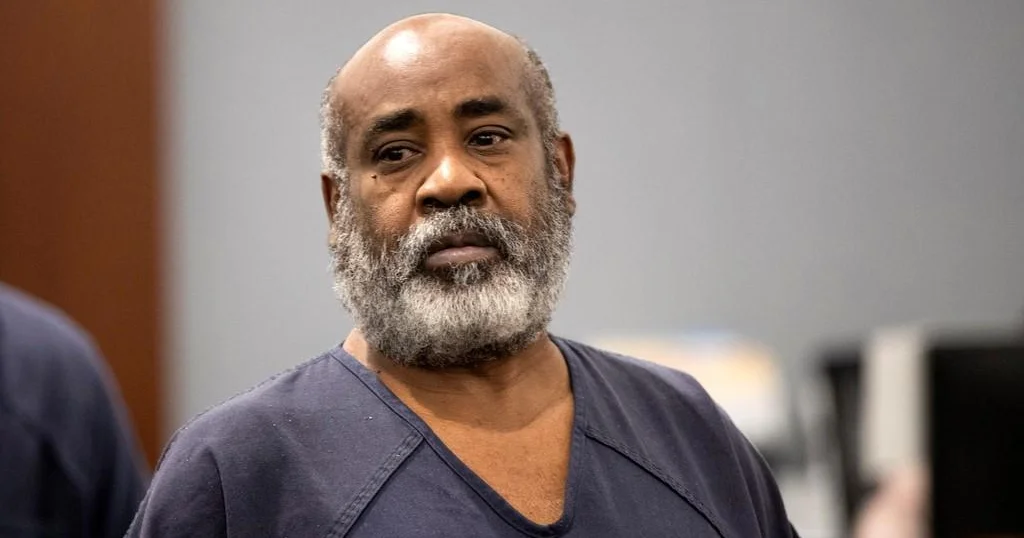
In a momentous ruling, a judge in Las Vegas has sentenced Duane “Keffe D” Davis to 40 years to life in prison for his role in the 1996 murder of legendary rapper Tupac Shakur. This verdict comes following Davis’s conviction in August on charges of murder with a deadly weapon connected to the infamous case that has remained unsolved for nearly three decades. Amid numerous twists in the investigation, the proceedings have reignited discussions about the unresolved murder and its impact on the music industry.
| Article Subheadings |
|---|
| 1) Overview of the Case and Charges |
| 2) The Trial and Key Testimonies |
| 3) Reactions and Community Impact |
| 4) Historical Context of Tupac’s Death |
| 5) Future Implications for Gang Violence |
Overview of the Case and Charges
The sentencing of Duane “Keffe D” Davis marks a pivotal moment in a long-standing investigation into the murder of Tupac Shakur, one of the most iconic figures in hip-hop history. Davis, 63, was found guilty in August of murder with a deadly weapon, specifically targeting the rapper and later pleaded not guilty during his trial. Judge Carli Kierny imposed a prison term of 40 years to life, acknowledging that Davis would receive credit for time already served. This significant sentence seeks to address the grave impact of Shakur’s murder, which has haunted his family and fans for decades.
The Trial and Key Testimonies
During the trial, prosecutors painted a picture of premeditated violence, suggesting that Davis had been on a mission to find Shakur. They argued that the shooting was retaliation stemming from an earlier confrontation involving Davis’s nephew, who was allegedly attacked by Shakur and music executive Marion “Suge” Knight. Chief Deputy District Attorney Binu Palal emphasized that Davis had been inside the white Cadillac from which the fatal shots were fired, claiming that the defendant’s own statements corroborated the prosecution’s narrative.
However, the defense countered that there was a lack of hard evidence linking Davis to the crime scene at the time of Shakur’s death. Davis’s attorney, Michael Sanft, argued against the prosecution’s reliance on Davis’s statements, pointing out the absence of surveillance footage or phone records to substantiate the claims that Davis was indeed present on the night of the shooting. This lack of direct evidence introduced uncertainty, but the jury ultimately found enough correlation in Davis’s accounts to convict him.
Reactions and Community Impact
The sentencing has drawn a mixed bag of reactions from the public and the music community. Following the verdict, Clark County District Attorney Steve Wolfson released a statement expressing that justice had finally been served. He noted the significance of the ruling for Shakur’s family, acknowledging that while it does not bring Shakur back, it provides a sense of closure that was long overdue. “This case is a reminder that no matter how much time passes, our commitment to seeking justice never wavers,” stated Wolfson.
Fans of Shakur have responded positively, expressing relief that a measure of accountability has been achieved, even if decades late. Yet there are those who worry about the implications the trial and its findings may have for the broader hip-hop community, particularly regarding the persistent legacy of violence associated with gang rivalries and drug trafficking in the music industry.
Historical Context of Tupac’s Death
Tupac Shakur’s murder in 1996 remains one of the most infamous events in music history. The artist was shot multiple times in a drive-by shooting on the Las Vegas Strip after an evening attended by prominent figures in the rap scene. Following his death, a wave of speculation surrounded the circumstances and motive behind the attack, with numerous theories suggesting gang affiliations and personal vendettas. He succumbed to his injuries just six days after the shooting, leaving a legacy that continues to resonate within popular culture.
Over the years, several individuals, including Davis, have been implicated in various narratives concerning the murder. It wasn’t until Davis publicly claimed his involvement that prosecutors had a concrete lead, although his changing accounts created skepticism around the credibility of the evidence against him. The lasting mystery has only added to the fascination surrounding Shakur’s life and the circumstances of his death, with many noting that it highlighted the dangers faced by artists immersed in such turbulent lifestyles.
Future Implications for Gang Violence
The outcome of Davis’s conviction may also carry broader implications on how gang violence is prosecuted and understood in relation to popular music. The case has reopened discussions around the need for a greater focus on community intervention and support to curb gun violence that disproportionately affects not just artists but also their surrounding communities. The emphasis on accountability and justice for victims of violence is imperative; however, many believe that systemic issues must also be addressed to mitigate the root causes of such aggression.
As this case illustrates, the echoes of past violence continue to reverberate into the present, prompting authorities, community leaders, and the general public to reflect on what can be done to prevent similar tragedies. The hope is that initiatives will emerge that prioritize healing communities and addressing the complexities of gang-related violence while celebrating the artistic contributions of artists like Tupac Shakur.
| No. | Key Points |
|---|---|
| 1 | Duane “Keffe D” Davis was sentenced to 40 years to life for the 1996 murder of Tupac Shakur. |
| 2 | Davis was convicted of murder with a deadly weapon, though he pleaded not guilty. |
| 3 | Witnesses and testimonies during the trial reinforced the narrative of retaliation as a motive for the murder. |
| 4 | The ruling has elicited various reactions from the public and Shakur’s fans, acknowledging the long-delayed justice. |
| 5 | The case is reigniting discussions around gang violence in music and its impact on communities. |
Summary
The sentencing of Duane “Keffe D” Davis not only closes a chapter on one of hip-hop’s most notorious cold cases but also serves as a poignant reminder of the pervasive issues of gang violence and its tragic impact on the arts. This case emphasizes the ongoing pursuit of justice within the community as well as the need for systemic changes to prevent future violence. Ultimately, it spotlights the legacy of Tupac Shakur and the conversation regarding the responsibility of artists and society to foster safer environments.
Frequently Asked Questions
Question: Why was Duane Davis convicted?
Davis was convicted for his role in the murder of rapper Tupac Shakur, primarily based on his own statements regarding his involvement in the crime.
Question: What was the sentence handed down to Davis?
Davis received a sentence of 40 years to life in prison for the murder, with credit for time served.
Question: How does this case affect the perception of gang violence in the music industry?
It sheds light on the longstanding issues of gang-related violence within the hip-hop community and emphasizes the importance of addressing these systemic problems to avoid similar tragedies in the future.