
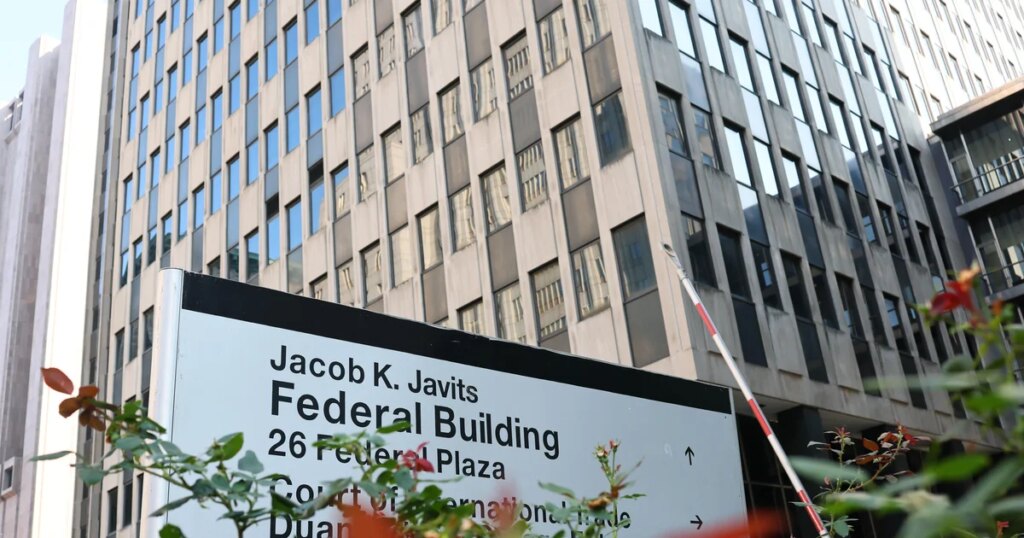
In a significant shake-up within the U.S. immigration judiciary, the Trump administration has dismissed eight immigration judges from their positions based in New York City, as confirmed by the National Association of Immigration Judges. This decision forms part of a broader trend of staff turnover at the immigration courts during the Trump administration, which has seen extensive changes to the management and operation of immigration justice. The firings may have implications for the already overwhelmed immigration system, which presently grapples with a staggering backlog of cases.
| Article Subheadings |
|---|
| 1) Overview of the Firings |
| 2) Details of Those Dismissed |
| 3) National Trends in Immigration Judiciary |
| 4) Impact on the Immigration System |
| 5) Future Developments in Immigration Courts |
Overview of the Firings
The recent dismissal of eight immigration judges from the New York City immigration courts marks a pivotal moment in the ongoing transformation of the U.S. immigration judiciary. Officials from the National Association of Immigration Judges disclosed that these firings were part of a sweeping national action, with a total of 98 judges having been let go from various courts across the country since the beginning of the Trump administration. The drastic reduction in the number of immigration judges has raised questions about the integrity and efficacy of the immigration system, especially as justice advocates emphasize that these changes may lead to increased delays in case processing and exacerbate an already crisis-like backlog.
Details of Those Dismissed
Among the judges dismissed was Amiena Khan, who held the position of assistant chief immigration judge at 26 Federal Plaza in New York City. Her role involved overseeing other judges within the court system, and her removal, along with the others, was seen as a significant shift in leadership within a critical component of the immigration enforcement framework. The determinations regarding these firings were made without public explanation, as officials from the Executive Office for Immigration Review, part of the Justice Department, declined to comment on specific personnel matters. The absence of transparency surrounding these dismissals has raised concerns among professional associations and judges about due process within judicial appointments.
National Trends in Immigration Judiciary
The judicial landscape of the U.S. immigration courts has undergone dramatic changes over the years. Following the firings, the total number of immigration judges has plummeted, with estimates suggesting that there were around 700 judges at the start of the year, now dropping below 600. This ongoing trend coincides with a legislative push initiated by the Trump administration, which includes a tax bill that was passed in Congress in July aiming to expand the number of permanent immigration judges to a total of 800. Despite this ambition, the number of judges currently appointed falls short, raising concerns about the future capability of the immigration courts to manage their caseload.
Impact on the Immigration System
The dismissals come at a time when the U.S. immigration courts are facing an immense backlog of over 3.4 million pending cases. The significant reduction in judges alone could hinder the system’s ability to process these cases efficiently. Reports indicate that the Pentagon is considering authorizing up to 600 military attorneys to serve as temporary immigration judges in response to this crisis. Additionally, there has been a recent loosening of job requirements for temporary judges, which could lead to a broader pool of applicants, including government lawyers without previous experience in immigration law. Critics, however, argue that this could compromise the quality and rigor of immigration adjudications necessary for fair outcomes in court.
Future Developments in Immigration Courts
Looking ahead, developments within the immigration courts will likely focus on addressing the backlog crisis that has intensified in recent years. The Justice Department has recently brought in 11 new permanent judges and 25 temporary judges with military backgrounds who will serve on six-month terms. Nevertheless, the deeper systemic issues related to personnel changes and court structure remain unresolved, raising concerns among immigration advocates and legal professionals. Furthermore, with the political landscape shifting, potential changes in immigration policy following the Trump administration could drastically affect how immigration courts operate.
| No. | Key Points |
|---|---|
| 1 | Eight immigration judges were fired from New York City under the Trump administration. |
| 2 | Amiena Khan, an assistant chief judge, was among those dismissed. |
| 3 | Approximately 98 judges have been dismissed nationally since the start of the administration. |
| 4 | The current backlog in immigration courts exceeds 3.4 million cases. |
| 5 | Temporary judges may soon include military attorneys in response to staffing shortages. |
Summary
The recent dismissals of immigration judges signal a significant transformation within the U.S. immigration judiciary under the Trump administration. As the courts grapple with an unprecedented backlog, changes to personnel and hiring practices may indicate a fundamental shift in how immigration cases are processed in the future. The ongoing developments will require close monitoring to assess their impacts on fairness and efficiency within the immigration system.
Frequently Asked Questions
Question: What prompted the firings of immigration judges?
The firings appear to be part of a broader strategy by the Trump administration to reshape the immigration judiciary and restore what officials describe as integrity to the immigration system.
Question: How have the firings affected the immigration courts?
The dismissals have contributed to a significant drop in the number of available judges, complicating the already overwhelming backlog of immigration cases and raising concerns regarding the efficiency and fairness of adjudications.
Question: What are the future plans for immigration judges?
The Justice Department has initiated processes to bring in new judges, including military attorneys and other temporary judges, to address the staffing crisis and assist in processing the backlog of immigration cases.