
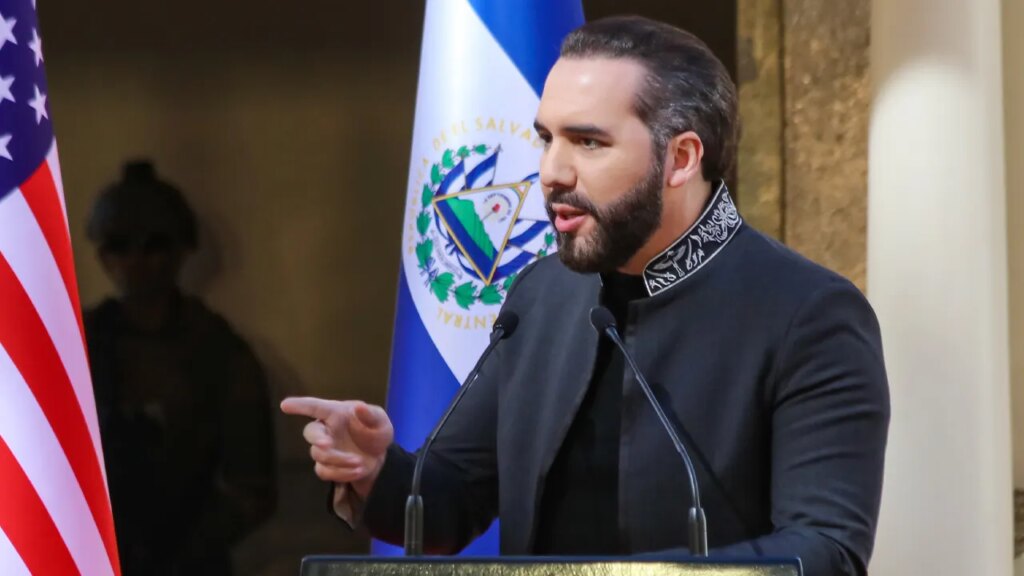
Salvadoran President Nayib Bukele has announced a significant plan aimed at reducing the country’s prison population, allowing for the potential conditional early release of up to half of those detained during a state of emergency. This emergency measure, which has led to the arrest of over 90,000 individuals in the last four and a half years, was implemented to combat escalating violent activities from criminal gangs. Bukele’s initiative focuses primarily on releasing prisoners identified as gang collaborators, raising both hope and criticism from various stakeholders.
| Article Subheadings |
|---|
| 1) Overview of the State of Emergency and Detentions |
| 2) Plan for Conditional Early Release |
| 3) Criticism from Human Rights Groups |
| 4) The Impact on Crime Rates in El Salvador |
| 5) Future Projections and Government Stance |
Overview of the State of Emergency and Detentions
In March 2022, Nayib Bukele declared a state of emergency following a spike in violence that resulted in the deaths of over 60 individuals in just one day. This decisive action has since led to the detention of more than 90,000 people linked to gangs, primarily targeting two of El Salvador’s most notorious gangs, MS-13 and Barrio 18. The state of emergency was initially intended to last for 30 days but has been extended multiple times due to ongoing concerns about public safety. The President’s administration argues that these measures are vital to restore order in a country that has long been plagued by gang violence.
The violence that prompted this extreme response had roots in decades of social and economic instability. With thousands of young people caught in the web of gang activity, authorities have felt pressured to act decisively. The declared state of emergency has temporarily suspended certain constitutional protections, leading to widespread arrests. While intended to protect citizens, these emergency measures have drawn ire from many who argue they undermine fundamental human rights.
Plan for Conditional Early Release
Recently, Nayib Bukele introduced a proposal to potentially release up to half of those jailed under the emergency order. This plan targets prisoners specifically identified as gang collaborators, a term that encompasses various roles, including individuals who provided support to gangs, such as lookouts or those coerced into making extortion payments. In his address, Bukele expressed the need to reassess the circumstances surrounding some of these detentions, stating, “There are many people who have indeed committed crimes, but their crime was collaborating with gangs.”
He indicated that authorities would examine individual cases to facilitate the release of those who may not pose a threat to society, thus aiming to balance public safety with the need for justice reform. However, the specifics of the plan, including the criteria for determining eligibility and the monitoring process for released individuals, have yet to be outlined in detail.
Criticism from Human Rights Groups
While some citizens express hope for the early release initiative, many human rights organizations have raised concerns about the long-term implications of the state of emergency. Groups such as Human Rights Watch and Amnesty International have documented numerous cases of arbitrary detentions and excessive force, specifying that over 6,000 complaints have been lodged since the emergency was declared. Moreover, reports indicate that approximately 575 individuals have died in government custody during this period, sparking further outrage and calls for accountability.
Critics, including exiled Salvadoran lawyer Bertha Deleón, have articulated that not only do victims of arbitrary detention deserve freedom, but they should also receive compensation for the suffering inflicted upon them. This perspective emphasizes the need to acknowledge the psychological and social consequences of unjust imprisonment, alongside the formal legal issues involved. In response to these charges, Bukele has maintained that his administration is combating the more significant threat of rampant gang violence and that opponents of his policies should focus on the safety of citizens rather than the rights of alleged criminals.
The Impact on Crime Rates in El Salvador
One notable outcome of the state of emergency has been a significant drop in the homicide rate, a measure that has fluctuated dramatically over the past decade. From a staggering rate of over 100 murders per 100,000 residents in 2015, the figures have reportedly plummeted to 1.3 per 100,000 in recent years. This change has led to the perception that Bukele is successfully restoring order in a nation familiar with violence.
However, it is essential to scrutinize this data closely. Critics point out that the government has revised its definitions of homicide, excluding killings by police and those occurring in prisons or those discovered in unmarked graves, creating a potentially misleading narrative about safety improvements in the country. As El Salvador aims to revitalize its reputation as a tourist destination, these statistics can serve dual purposes—both as indicators of success and as potential tools for political leverage.
Future Projections and Government Stance
Looking ahead, Nayib Bukele has hinted at the eventual cessation of the state of emergency. Nevertheless, he emphasized that the need for such measures persists until the threat posed by gangs is fully under control. Although officials suggest the declaration is a necessary component of their crime-fighting strategy, the potential for introducing more humane policies is evident. As the discussions around possible prisoner releases continue, the international community remains watchful, concerned about the implications for human rights and societal recovery.
While the administration has faced pushback, it is also fortified by public support stemming from the dramatic decreases in crime rates. The challenge lies in navigating the complex interplay between ensuring public safety, safeguarding human rights, and addressing the consequences of the policies enacted under the emergency declaration.
| No. | Key Points |
|---|---|
| 1 | The state of emergency in El Salvador was declared in March 2022 due to a violent outbreak. |
| 2 | Over 90,000 individuals have been arrested under this emergency measure. |
| 3 | A new plan allows for the conditional release of prisoners identified as gang collaborators. |
| 4 | Human rights groups criticize the emergency declarations for leading to arbitrary arrests and violence. |
| 5 | The government touts a significant reduction in the homicide rate as evidence of success amid ongoing criticisms. |
Summary
The developments surrounding Nayib Bukele‘s state of emergency and subsequent plans for conditional prisoner release reflect a complex intersection of public safety, human rights, and societal healing in El Salvador. While the announced plans hold promise for reducing the prison population, the ongoing criticism from human rights organizations highlights the significant socio-political implications of the state of emergency. As El Salvador continues to navigate these challenges, it faces the need for solutions that not only prioritize short-term security but also uphold the principles of justice and human rights for all citizens.
Frequently Asked Questions
Question: What is the state of emergency in El Salvador?
The state of emergency in El Salvador was declared in March 2022 to address a surge in gang violence, resulting in extensive detentions and suspension of certain constitutional rights.
Question: How many people have been arrested during the state of emergency?
Over 90,000 individuals have been detained under the state of emergency as the government has sought to curb violent gang activities.
Question: What is the rationale behind the new plan for conditional early release?
The conditional early release plan aims to free those identified as gang collaborators while balancing public safety concerns and the need for justice reform.